
💡 Key Takeaways
- Do not build Bangkok by “top 10 attractions.” Build it by zones. The Grand Palace, Wat Pho and Wat Arun belong together; Chinatown and Talat Noi belong together; Siam and Jim Thompson House belong together.
- The biggest first-timer mistake is using taxis for every cross-city move. BTS, MRT and river boats are usually more predictable when Bangkok traffic is at its worst.
- Grand Palace morning, not midday. Arrive for opening, dress correctly before you leave your hotel, and check the official palace schedule because ceremonial closures can change.
- Chatuchak is a weekend attraction. If your five days do not include Saturday or Sunday, do not force the “full market” into your itinerary.
- Pre-book only where it genuinely helps. Mahanakhon SkyWalk and organized Ayutthaya tours are sensible advance bookings; Jim Thompson House officially sells museum tickets only at its own ticket office.
A good Bangkok 5-Day Itinerary is not about proving how many pins you can save on Google Maps. Bangkok punishes bad routing: a seemingly short taxi ride can become a long traffic crawl, temple courtyards feel twice as tiring in the midday heat, river attractions are awkward if you keep returning to the BTS network between every stop, and one badly placed hotel can turn five sightseeing days into five commuting days. The classic first-time wish list is predictable—Grand Palace, Wat Pho, Wat Arun, Chinatown, Siam, Chatuchak, a skyline view and often Ayutthaya. The problem is not the list. The problem is the order.
This itinerary reorganizes that classic route into five practical sightseeing zones. It deliberately leaves breathing room, builds in hotel-rest windows, gives you rainy-day substitutes, and tells you where a famous attraction is genuinely worth the effort—and where the hype can outrun the experience. Prices, opening arrangements and ticket rules below were rechecked against official or currently active sources on 17 August 2026; always recheck immediately before travel because palace schedules, transport fares and seasonal operating hours can change.
The 1-Min Cheat Sheet
- Grand Palace & Wat Phra Kaew — Best for: first-time cultural sightseeing and ornate Thai architecture. Suggested stay: 1.5–2 hours. Ticket/transport: paid admission; the official palace currently lists THB 500 for foreigners and supports ticket office, kiosk and website purchase. Best reached early; MRT Sanam Chai plus a short taxi/walk is more predictable than a long cross-city taxi. Official ticket information.
- Wat Pho — Best for: the Reclining Buddha, temple art and travelers who want one major temple without the full Grand Palace intensity. Suggested stay: 60–90 minutes. Ticket/transport: official site lists THB 300 admission; easy to walk from the Grand Palace. Official visitor plan.
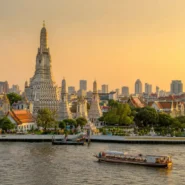
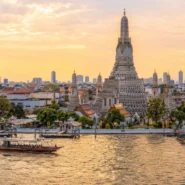
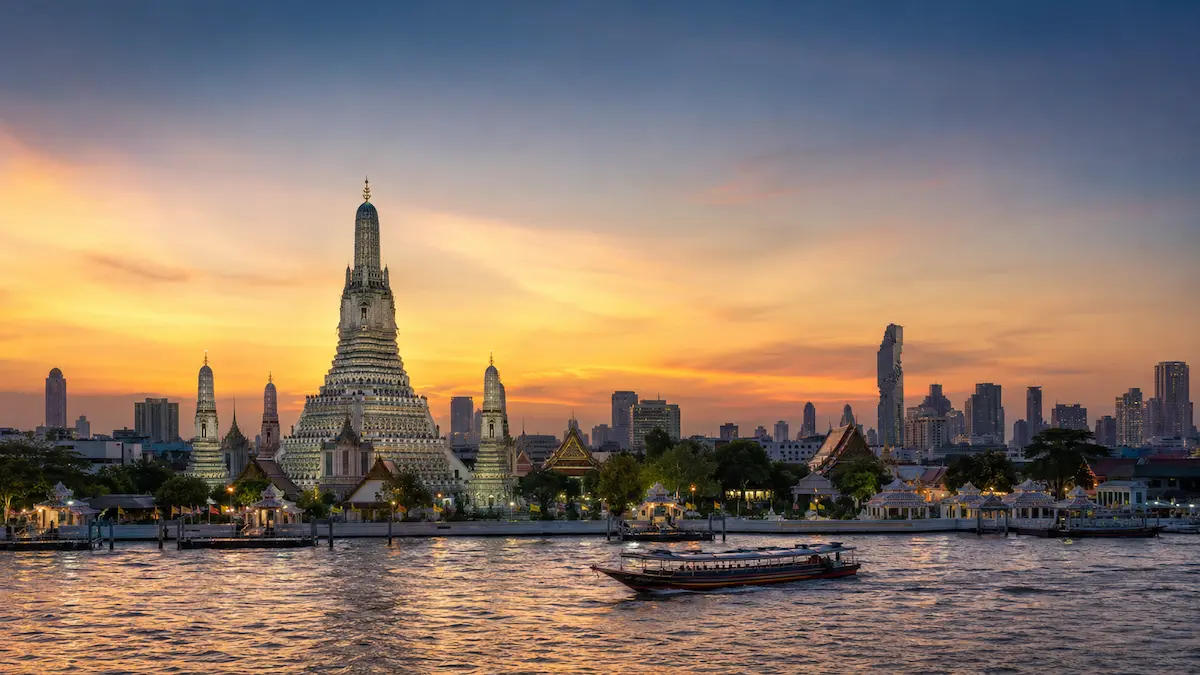
- Wat Arun — Best for: riverside views, photography and a compact temple visit. Suggested stay: 60–75 minutes. Ticket/transport: paid admission for foreign visitors; Tourism Authority of Thailand currently lists THB 200. Use the short cross-river ferry from the Tha Tien side rather than circling by road. TAT attraction page.
- Chinatown + Talat Noi — Best for: food, old shophouses, street photography and a less manic contrast to temple Bangkok. Suggested stay: 3–5 hours. Ticket/transport: free; use MRT Wat Mangkon for Yaowarat and walk toward Song Wat/Talat Noi.
- Jim Thompson House Museum — Best for: architecture, design, Thai silk history and a cooler paced cultural stop near Siam. Suggested stay: 75–90 minutes. Ticket/transport: guided visit; officially no online ticket sales through outside platforms. Buy only at the museum ticket office. National Stadium BTS is the easiest approach. Official museum website.
- King Power Mahanakhon SkyWalk — Best for: skyline views and a polished “big city” finale. Suggested stay: 90–120 minutes. Ticket/transport: paid, timed products; advance e-ticket is useful, especially for sunset. BTS Chong Nonsi Exit 3 is dramatically better than sitting in Sathorn traffic. Official SkyWalk page.
- Chatuchak Weekend Market — Best for: shoppers, snacks, design finds and travelers who enjoy browsing. Suggested stay: 2.5–4 hours, not “all day.” Ticket/transport: free; the full market is primarily a Saturday/Sunday experience. MRT Kamphaeng Phet is the easiest entrance for first-timers. Current market opening guide.
- Ayutthaya Historical Park — Best for: history lovers and travelers who want one strong day trip rather than another shopping mall. Suggested stay: full day including transfers. Ticket/transport: individual monuments charge admission; the Fine Arts Department’s 2026 notice lists THB 80 per foreign visitor for a single participating monument and THB 300 for a seven-monument combined ticket. Train is cheapest; a small-group van or driver is easier for first-timers who value time. Fine Arts Department 2026 fee notice.
The Most Practical 5-Day Itinerary
Day 1: Siam, Jim Thompson House & an Easy First Evening
- Suggested start: 2:00 p.m. if this is your arrival day; 10:00 a.m. if you already slept in Bangkok. Do not schedule a prepaid, timed “must-see” attraction immediately after an international flight.
- Order: Hotel check-in → Jim Thompson House → Siam/BACC area → early dinner in Siam, Pratunam or your hotel neighborhood.
- Jim Thompson House: allow 75–90 minutes. The museum’s guided format makes it a good first-day attraction because you are not walking endless outdoor grounds in peak heat.
- Transport: BTS to National Stadium, then walk. If you are staying near Siam, simply walk between Siam, Bangkok Art and Culture Centre and Jim Thompson House. Avoid taking a taxi for this tiny central cluster.
- Lunch/rest: if you arrive hungry, eat in Siam first and visit the museum later. Air-conditioned malls are not “inauthentic” on Day 1; in Bangkok they are practical heat-management infrastructure.
- Cut if tired: skip BACC or additional shopping. Keep Jim Thompson House if architecture interests you; skip it too if your flight delay means you would arrive close to the museum’s ticket cutoff.
- Rain alternative: this is already the best rainy-day block of the trip. Stay around Siam, BACC and the museum instead of moving across town.
- Evening area: Siam, Chit Lom or your own hotel neighborhood. Save Chinatown and rooftop bars for days when you are not jet-lagged.
- Why this beats the influencer version: many itineraries put Grand Palace on arrival day because it is “essential.” That creates a bad combination of flight delays, luggage, dress-code stress and outdoor heat. Day 1 should be recoverable, not heroic.
Day 2: Grand Palace → Wat Pho → Wat Arun — The Temple Day Done in One Direction
- Suggested start: leave your hotel around 7:30 a.m. and aim to be at the Grand Palace before the 8:30 a.m. opening.
- Order: Grand Palace & Wat Phra Kaew (8:30–10:30) → Wat Pho (10:45–12:00) → lunch/rest around Tha Tien (12:00–1:30) → cross-river ferry → Wat Arun (about 1:45–3:00) → riverside café or boat ride → hotel rest.
- Grand Palace stay: 1.5–2 hours for first-timers. More is possible, but after two hours the visual density and heat can turn appreciation into exhaustion.
- Wat Pho stay: 60–75 minutes. Add extra time only if you want a massage and are prepared to wait.
- Wat Arun stay: roughly one hour. It is photogenic and compact; you do not need to turn it into a half-day excursion.
- Transport: get to the Old City by MRT plus a short last-mile connection if practical from your hotel. Walk Grand Palace → Wat Pho. Use the short ferry to Wat Arun. This is one of the clearest examples in Bangkok where the river is transport, not just sightseeing.
- Lunch/rest: Tha Tien is strategically perfect. Sit down in air-conditioning before crossing to Wat Arun. Trying to “power through” lunch is how temple fatigue starts.
- Cut if tired: cut Wat Arun first if you are overheating or if weather turns bad. You will still have completed the two most historically substantial stops on this day.
- Rain alternative: prioritize the Grand Palace and Wat Pho during lighter rain, then move to Museum Siam near Sanam Chai or return to your hotel. Do not climb wet temple steps simply because your itinerary says so.
- Evening area: riverside around Tha Tien/Phra Athit for a quiet night, or simply eat near your hotel. If you want a dinner cruise, this is the logical night geographically—but book a specific cruise only if that experience matters to you, not because every Bangkok itinerary says you need one.
- Why this beats the influencer version: the common bad route is Grand Palace → random mall → Wat Arun sunset → Chinatown dinner, with long detours and no rest. The better route is one continuous Old City/river cluster, then stop before fatigue ruins the evening.
Day 3: Chinatown, Talat Noi & Mahanakhon at Sunset
- Suggested start: 9:30 a.m. You do not need a dawn start after the temple day.
- Order: MRT Wat Mangkon → Chinatown lanes and markets → Yaowarat side streets → Song Wat/Talat Noi → lunch and café break → river or MRT/BTS toward Silom/Sathorn → hotel rest → Mahanakhon SkyWalk around late afternoon/sunset.
- Chinatown stay: 1.5–2 hours in daylight. Daytime Chinatown is different from the neon-night version and easier for slow browsing.
- Talat Noi stay: 1.5–2 hours. Treat it as a neighborhood, not a checklist of murals.
- Transport: MRT to Wat Mangkon; walk through the connected Chinatown–Song Wat–Talat Noi fabric. For Mahanakhon, get back onto rail rather than taking a taxi across central Bangkok near evening rush hour. BTS Chong Nonsi drops you almost at the building.
- Lunch/rest: Song Wat/Talat Noi is a better mid-day reset than standing in a long viral-food queue on Yaowarat. Pick somewhere with seating and air-conditioning if the heat is draining you.
- Cut if tired: shorten Talat Noi, return to the hotel for two hours, then do Mahanakhon. The sunset ticket is expensive enough that you should arrive with energy.
- Rain alternative: keep Chinatown food stops, move faster between covered areas, and postpone Mahanakhon if low cloud makes the view pointless. A prepaid rooftop ticket is not a victory if you cannot see the skyline.
- Evening area: Silom/Sathorn after Mahanakhon. If you want late-night Chinatown food, return by MRT only if you genuinely have the energy; do not make it mandatory.
- Why this beats the influencer version: it uses a daytime walking neighborhood and a single evening vertical attraction. You are not bouncing between east and west Bangkok to chase photo spots.
Day 4: Ayutthaya Day Trip — History Without the Floating-Market Detour
- Suggested start: 6:30–7:00 a.m. for a full-day tour or train connection.
- Order: Bangkok → Wat Mahathat → Wat Ratchaburana → Wat Phra Si Sanphet / old royal palace zone → lunch → Wat Chaiwatthanaram → Bangkok.
- Suggested stays: Wat Mahathat 45–60 minutes; Wat Ratchaburana 40–50 minutes; Wat Phra Si Sanphet zone 60 minutes; lunch/rest 60–75 minutes; Wat Chaiwatthanaram 45–60 minutes.
- Transport: budget travelers can use SRT rail, but understand the trade-off: the train gets you to Ayutthaya, not around its spread-out monuments. You will still need tuk-tuk, taxi, bicycle or other local transport. For first-timers with only five days, a reputable small-group tour or private driver can be better value once you price in time and friction.
- Lunch/rest: take a proper seated lunch around the historical park. Ayutthaya is hot and exposed; a rushed snack is a poor trade if it makes the afternoon miserable.
- Cut if tired: do three core monuments instead of five or six. Wat Mahathat + Wat Phra Si Sanphet + Wat Chaiwatthanaram gives a satisfying arc without ruin fatigue.
- Rain alternative: shorten the outdoor circuit and add Chao Sam Phraya National Museum if operating hours fit your day. If a storm is severe, a guided vehicle-based day is much easier than cycling.
- Evening area: your hotel neighborhood only. Do not book a high-energy nightlife activity after a full Ayutthaya day unless you know you tolerate heat and long days well.
- Why this beats the influencer version: avoid combo itineraries that bolt Damnoen Saduak or Maeklong onto Ayutthaya simply because both are “day-trip famous.” The floating-market corridor is southwest of central Bangkok; Ayutthaya is north. Combining them creates a transport marathon, not a smart sightseeing day.
Day 5: Chatuchak Weekend Market, Ari & a Low-Stress Final Night
- Suggested start: 8:30–9:00 a.m. Place this day on Saturday or Sunday even if it means swapping Day 4 and Day 5.
- Order: MRT Kamphaeng Phet → Chatuchak (2.5–3.5 hours) → lunch near the market or Or Tor Kor area → Ari for a quieter café/rest break → return to hotel → easy final evening near Siam, Sukhumvit or Silom.
- Chatuchak stay: cap it at around three hours unless shopping is a major purpose of your trip. The market gets less fun once you are hot, lost and carrying purchases.
- Transport: MRT Kamphaeng Phet is the easiest access because it puts you right by the market. Avoid arriving by taxi late morning when roads around Chatuchak are already busy.
- Lunch/rest: eat before you become exhausted. The nearby market/food areas are convenient, while Ari gives you a calmer air-conditioned break after the sensory overload.
- Cut if tired: skip Ari and go back to the hotel. Your last day should leave room for packing, massage, a final meal and airport logistics.
- Rain alternative: if heavy rain makes Chatuchak unpleasant, convert the day into indoor shopping, a spa, BACC/Siam if not already visited, or a café-heavy Ari day.
- Weekday substitute: if your trip contains no Saturday or Sunday, do not pretend the full Chatuchak experience is available. Use the day as a flexible central-Bangkok day: Benjakitti Park in a dry morning, Sukhumvit/Em District indoors in heat or rain, a massage, and any attraction you skipped earlier.
- Evening area: stay near your hotel or along your airport route. The final night is a bad time to cross the entire city for one last market.
- Why this beats the influencer version: Chatuchak is not a trophy stop. It is worth doing when the full market is operating and when you have space in your luggage. Otherwise, skipping it is smarter than forcing it.
Tourist Traps to Avoid & Itinerary Hacks
- “The Grand Palace is closed today.” This is one of Bangkok’s most famous tourist scams. Do not take closure advice from strangers who immediately offer an alternative temple, gem shop or tuk-tuk tour. Check the official Grand Palace schedule yourself.
- Buying “skip-the-line” as if it means skipping every line. An advance ticket may save the purchase queue, but security, dress checks, crowd bottlenecks and attraction-specific access procedures still exist. Buy convenience, not fantasy.
- Long taxi rides during commuter peaks. Bangkok’s MRT officially identifies peak periods around morning and late afternoon/early evening, and roads can be even less predictable. For Siam, Silom, Sukhumvit, Chatuchak and Chinatown, use rail whenever the route is straightforward. Official MRT information.
- Assuming one travel card covers everything. Bangkok’s BTS, MRT, Airport Rail Link, SRT and river boats are separate systems. A Rabbit Card is mainly useful for BTS convenience; it is not a magic all-network pass. On the MRT Blue and Purple lines, the operator now supports EMV contactless payment and discontinued legacy MRT/MRT Plus stored-value use from June 2026. BEM transition notice.
- Taking the tourist boat when you only need transport. The Chao Phraya Express Boat is a functional public boat network and can be far cheaper than sightseeing cruises. Use it when the pier sequence fits your route; do not pay cruise prices for a commute. Official Chao Phraya Express Boat routes.
- Overplanning night markets. Bangkok markets and entertainment projects change names, locations and operating patterns more often than temples do. Build your itinerary around stable transport zones; treat a specific night market as a same-week decision.
- Chatuchak on the wrong day. The “full market” experience is Saturday and Sunday. If you arrive midweek and most of what you expected is not operating, that is not bad luck—it is a planning error.
- Putting Grand Palace, Wat Arun, Chinatown and Mahanakhon into one day. Yes, it is technically possible. No, it is not a good first-timer day in tropical heat. Your feet and attention span are finite resources.
- Combining Ayutthaya with Damnoen Saduak because a package says “Bangkok highlights.” These attractions sit in different directions from Bangkok. A full-day combo often means more vehicle time, less site time and a very early start.
- Staying by the airport to save money. Unless you have a very late arrival or very early departure, a cheaper airport-area hotel can cost you hours in daily transport. For five sightseeing days, central access usually has more value.
- Dragging suitcases through BTS/MRT transfers. Elevators exist at many stations, but the shortest pedestrian route is not always luggage-friendly, and peak-hour trains can be packed. On arrival/departure days, a direct taxi, hotel luggage storage or luggage delivery can be worth paying for.
- Assuming tuk-tuks are the cheap local option. They can be fun for a short, agreed-price ride, but they are not automatically cheaper or faster than app-based cars, taxis or rail. Treat the ride as an experience, not your default transport strategy.
Save Your Legs! The Most Efficient Route
The single best way to improve a Bangkok itinerary is to think in geographic clusters. Rattanakosin/Old City contains the Grand Palace and Wat Pho; Wat Arun is directly across the river. Chinatown, Song Wat and Talat Noi form another walkable cluster on the east bank. Siam and Jim Thompson House are a central rail-and-walking cluster. Silom/Sathorn works for Mahanakhon and river access via Saphan Taksin. Chatuchak and Ari sit north of the central shopping core. Ayutthaya is an entirely separate northern day trip.
Walk where the streets connect naturally: Grand Palace to Wat Pho; Yaowarat to Song Wat and Talat Noi; Siam to BACC and Jim Thompson House. Use MRT for Old City/Chinatown: Sanam Chai is useful for Wat Pho/Old City access and Wat Mangkon is the obvious Chinatown station. Use BTS for Siam, Sukhumvit, Silom/Sathorn and Chatuchak-area connections. Use the river for river sights: a ferry between Wat Pho/Tha Tien and Wat Arun is far more logical than road transport around the river bend.
Short taxis become smart when they solve a specific last-mile problem outside heavy traffic—for example, a short hop from a rail station to a hotel with luggage, or a short transfer when two people are exhausted and the rail route requires multiple changes. They become inefficient when you use them to cross central Bangkok at 5:30 p.m. just because the map says “6 km.” In Bangkok, distance is not the same as travel time.
During commuter periods, rail can be crowded, but road traffic is usually the bigger itinerary killer. The MRT operator lists peak periods on the Blue Line around 7:00–9:00 a.m. and 4:30–7:30 p.m.; when possible, do your major sightseeing arrival before the morning crush and spend late afternoon either resting near your hotel or already positioned in the zone where you want to spend the evening.
Do not return to a “central station” every afternoon and restart. Bangkok has no reason for a tourist to treat one station as a daily hub in the way some cities encourage. Stay in a neighborhood with both useful rail access and evening food. For a balanced first trip, Silom/Sathorn near BTS + MRT is excellent; Asok/Sukhumvit is convenient for nightlife and east-west rail; Siam is strong for shopping and central BTS access. Staying deep in Old Town is atmospheric but less convenient if you want late-night rail access. Staying by BKK or DMK should be reserved for flight logistics, not a five-day city base.
For large luggage, first ask your hotel to hold bags before check-in or after checkout. If that does not solve the problem, use a staffed storage/delivery service rather than assuming every transit station has a locker large enough for your suitcase. AIRPORTELs advertises airport and city storage/delivery counters, while Bellugg also operates airport–hotel luggage delivery. This is particularly useful if your flight arrives early and you want to start Day 1 without dragging luggage through Siam. Verified booking options: AIRPORTELs on Klook or Bellugg on KKday.
Ticket Tips & Skip-the-Line Hacks
Grand Palace: this is the one major temple complex where advance purchase can be useful. The official site lists ticket office, kiosk and website channels, and currently states THB 500 for foreign visitors. Check the official daily schedule before buying because royal/ceremonial use can affect access. If you prefer a third-party voucher, Klook currently has an active Grand Palace + Emerald Buddha listing, but treat “skip the line” as a ticketing convenience—not a promise to bypass security or crowd control. Klook Grand Palace ticket.
Wat Pho: the official visitor page currently lists THB 300 admission and operating hours of 08:00–19:30. For this itinerary, there is no compelling reason to pre-buy a third-party entrance ticket. Walk over after the Grand Palace and buy admission normally. Official Wat Pho visitor information.
Wat Arun: Tourism Authority of Thailand currently lists THB 200 for foreign adults. I would not build your plan around a supposed “fast pass.” It is a compact temple visit; the bigger time-saving move is using the cross-river ferry and arriving outside the harshest midday heat. Official tourism listing.
Jim Thompson House: this is where many generic ticket articles become misleading. The museum’s own site explicitly says it does not sell tickets through any online platforms and warns visitors about scammers. Buy at the ticket office. If a third-party page claims to sell a standalone museum admission ticket, verify exactly what it is before paying. Official Jim Thompson House.
Chinatown, Talat Noi and Chatuchak: no attraction ticket is needed. Do not pay for a “skip-the-line” version of a free neighborhood or market. Guided food tours can be worthwhile if you specifically want interpretation and curated tastings, but they are optional experiences, not admission.
Mahanakhon SkyWalk: this is exactly where an e-ticket makes sense. The experience is timed/product-based, sunset is popular, and the official venue plus major OTAs sell advance admission. Book your preferred window before you fly if sunset is a priority. Verified purchase pages: Klook Mahanakhon SkyWalk and KKday Mahanakhon SkyWalk. If heavy rain or low cloud is likely, check cancellation terms before locking yourself into an expensive view you may not get.
Ayutthaya: the monuments themselves are normally paid locally, and the Fine Arts Department’s 2026 fee notice lists both single-site and combined-ticket options. The thing worth booking is transport/logistics if you do not want to negotiate local tuk-tuks or study train schedules. Current, verified tour pages include Klook Ayutthaya Temples One Day Tour and KKday Ayutthaya Temples One-Day Tour. Note that individual tour packages differ: some include admissions, some do not.
Trains and cultural experiences: do not assume every Bangkok–Ayutthaya train is reservable months ahead. SRT rules and train classes differ; ordinary/commuter services may be sold on the day, while reservable long-distance services use SRT’s booking system. If you care about a specific train, check the State Railway of Thailand shortly before travel. For genuinely capacity-limited experiences—sunset rooftops, cooking classes, private guides, popular massage/spa slots and seasonal river events—advance booking is more useful than pre-booking every temple.
Tried & Tested: My Honest Review
📍 Stop 1: Grand Palace and Wat Phra Kaew
Tags: Iconic • High crowd risk • Strict dress code • Best at opening • Worth it once
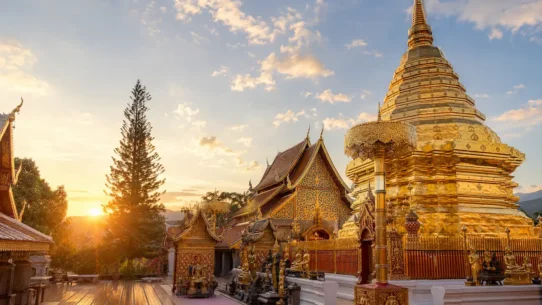
The Grand Palace is the attraction most likely to produce two opposite reactions: “This is extraordinary” and “I cannot wait to get out of this crowd.” Both can be true. The craftsmanship and religious importance are real; so are the heat, group tours and strict dress requirements. For a first visit, I would still go—but I would go once, early, with no fantasy of having the place to myself.
✅ What Other Travelers Say: visitors consistently praise the density of ornament, the Emerald Buddha complex and the sense that this is one of Bangkok’s true landmark experiences. Travelers who arrive early generally report a better visit than those entering later in the morning.
⚠️ The Catch (Things to Keep in Mind): the ticket is one of the pricier temple admissions in Bangkok, exposed courtyards can feel brutal in the heat, and “skip-the-line” products do not make the complex uncrowded. Check the official schedule and arrive dressed correctly.
📍 Stop 2: Wat Pho
Tags: Reclining Buddha • Easier pace • Walkable from Grand Palace • Good first-timer temple
Wat Pho is often more enjoyable than travelers expect because it feels easier to absorb than the Grand Palace. The Reclining Buddha is the headline, but the courtyards, chedis and quieter corners make the visit feel more rounded. If you only have the energy for two major historic stops, Grand Palace + Wat Pho is a stronger pair than adding three more temples just to say you did them.
✅ What Other Travelers Say: the Reclining Buddha is the obvious favorite, but many visitors also like the broader temple grounds and the ability to wander at a slower pace.
⚠️ The Catch (Things to Keep in Mind): it is still hot and busy, and the massage school can have waits. Do not schedule a massage here as a hard deadline between other timed attractions unless you have confirmed availability.
📍 Stop 3: Wat Arun
Tags: River crossing • Photogenic • Compact • Steep steps • Afternoon heat risk
Wat Arun is one of the easiest famous Bangkok sights to overcomplicate. You do not need a car, a tour bus or a half-day package. Cross the river, spend about an hour, and move on. Its value is visual: the porcelain detail and river setting are memorable. Its weakness is that the steep climb and exposed surfaces can be uncomfortable in heat or rain.
✅ What Other Travelers Say: visitors love the riverside setting and the close-up decorative detail; many also enjoy the ferry approach because it makes the visit feel distinct from the east-bank temples.
⚠️ The Catch (Things to Keep in Mind): midday can be punishing, the steps are not ideal for limited mobility, and wet conditions make climbing less appealing. It is okay to admire the temple from river level instead of turning every staircase into a challenge.
📍 Stop 4: Chinatown, Song Wat and Talat Noi
Tags: Food • Street photography • Free • Best explored slowly • Night crowds
This is where Bangkok starts feeling like a city rather than a collection of attractions. The biggest mistake is arriving only for a famous food queue after dark. Go earlier, walk the side streets, see Song Wat and Talat Noi, stop for coffee, then decide whether you still want Yaowarat at night. The neighborhood rewards curiosity more than checklists.
✅ What Other Travelers Say: people repeatedly highlight the food variety, visual energy, old shophouses and contrast between traditional businesses and newer creative spaces.
⚠️ The Catch (Things to Keep in Mind): sidewalks can be uneven or crowded, traffic is close, and viral stalls can have lines that are wildly disproportionate to the actual payoff. Do not spend 90 minutes waiting for one snack when the whole district is full of food.
📍 Stop 5: Jim Thompson House Museum
Tags: Architecture • Thai silk • Guided tour • Rain-friendly • Onsite ticket only
Jim Thompson House is not mandatory for every first-timer, but it is one of the smartest “slower” attractions in central Bangkok. The setting is intimate, the story is genuinely unusual and the traditional architecture gives you a different visual language from royal temples. Design, architecture and history travelers tend to get much more out of it than travelers chasing only big landmarks.
✅ What Other Travelers Say: visitors commonly praise the guided explanation, the garden atmosphere and the contrast between the museum and the surrounding city.
⚠️ The Catch (Things to Keep in Mind): you visit the interior through a guided format rather than wandering independently, and the museum officially warns that it does not sell tickets through online platforms. If you hate guided visits, this may not be your favorite stop.
📍 Stop 6: King Power Mahanakhon SkyWalk
Tags: Skyline • Sunset • E-ticket useful • Weather dependent • Premium price
Mahanakhon is expensive by Bangkok sightseeing standards, but it delivers exactly what it promises when the weather cooperates: a dramatic high-level view and a polished rooftop experience. I would choose it over hopping between multiple rooftop bars if your goal is the view rather than nightlife.
✅ What Other Travelers Say: the 360-degree view and glass-floor experience are the repeated highlights, and sunset is the most desired time slot.
⚠️ The Catch (Things to Keep in Mind): sunset pricing is higher, queues can build around golden hour, and low cloud or heavy rain can destroy the value proposition. Book with weather and cancellation terms in mind.
📍 Stop 7: Chatuchak Weekend Market
Tags: Weekend only • Shopping • Food • Easy MRT access • Heat and decision fatigue
Chatuchak is fun if you like shopping and browsing. It is miserable if you treat it like an obligation. The “I must see every section” mindset is the trap. Pick a few categories, set a time limit, save your hotel location in your phone, and leave before you are too tired to enjoy your purchases.
✅ What Other Travelers Say: the range of products, snacks and local design is the main attraction; many visitors also enjoy the sheer scale as an experience in itself.
⚠️ The Catch (Things to Keep in Mind): it is hot, easy to get disoriented, and the most complete market is a weekend experience. If your Bangkok stay is Monday–Friday, do not rearrange the entire trip around a half-open version.
📍 Stop 8: Ayutthaya Historical Park
Tags: UNESCO history • Full-day trip • Outdoor heat • Transport planning matters • Better with fewer temples
Ayutthaya is the best “big day out” in this itinerary because it changes the visual and historical rhythm of the trip. The ruins are meaningful, but temple fatigue is real. Four good stops with proper context are better than racing through eight ruins while half-listening to your guide.
✅ What Other Travelers Say: visitors value the scale of the ruins, Wat Mahathat’s famous Buddha head, and the contrast with modern Bangkok. Guided trips are often praised for removing local transport hassle.
⚠️ The Catch (Things to Keep in Mind): the historical zone is spread out, cycling in midday heat is not for everyone, and cheap train transport does not solve the last-mile sightseeing problem. Choose your transport based on comfort and time, not pride.
Key FAQs
What is the best Bangkok 5-day itinerary for first-time visitors who want to avoid crowds?
Use a zone-based itinerary: Siam/Jim Thompson on Day 1, Grand Palace–Wat Pho–Wat Arun at opening on Day 2, Chinatown/Talat Noi plus Mahanakhon on Day 3, Ayutthaya on Day 4, and Chatuchak on whichever day is Saturday or Sunday. The most important crowd tactic is not a secret entrance—it is arriving at the Grand Palace for opening, avoiding viral food queues at peak dinner time, and refusing to cross the city by taxi during rush hour.
Where should first-time visitors stay in Bangkok for five days without wasting time on transport?
For a balanced sightseeing trip, prioritize Silom/Sathorn, Siam or Asok/Sukhumvit near a useful BTS/MRT station. Silom/Sathorn is especially efficient for Mahanakhon and river access; Siam is excellent for shopping and central BTS; Asok gives you both BTS and MRT. Do not choose an airport-area hotel simply because the nightly rate is lower unless flight timing is your main concern.
Should I buy Bangkok attraction tickets in advance or pay at the gate?
Pre-book selectively. Mahanakhon SkyWalk and organized Ayutthaya tours are good advance purchases; the Grand Palace has official advance/website ticketing and a live schedule worth checking. Wat Pho and Wat Arun do not need complicated “fast pass” planning for this route. Jim Thompson House is the opposite: its official website says museum tickets are sold only at its own ticket office and not through online platforms.
Final Verdict and Your Next Step
The smartest first-time Bangkok trip is not the itinerary with the most famous names—it is the one that leaves you enough energy to enjoy them. Keep the temple cluster together, use MRT/BTS/river transport before you default to taxis, protect one mid-afternoon rest window on the hottest days, and move Chatuchak to the weekend instead of treating Day 5 as sacred. If your body says “enough temples,” listen to it. Bangkok gets better when you stop trying to win it.
Before departure, lock in only the experiences where advance booking has real value. For the skyline, compare Klook Mahanakhon SkyWalk tickets with KKday Mahanakhon SkyWalk tickets. For a low-friction Ayutthaya day, compare Klook Ayutthaya day tours with KKday Ayutthaya tours. If luggage is the problem, book delivery rather than paying for a taxi purely to carry bags.
Do not automatically buy a “Bangkok transport pass.” There is no single tourist pass in this itinerary that magically covers BTS, MRT, SRT, Airport Rail Link and river boats. Pay for the systems you actually use. A convenience product is only a bargain if it fits your route.
Verification Notes & Primary Sources
- Grand Palace official schedule and ticket information: royalgrandpalace.th/en/schedules and royalgrandpalace.th/en/buy-ticket.
- Wat Pho official visitor plan: watpho.com/en/contact/plan.
- Wat Arun current tourism listing: Tourism Authority of Thailand.
- Jim Thompson House official ticket warning: jimthompsonhouse.org.
- Mahanakhon official experience page: kingpowermahanakhon.co.th.
- Ayutthaya Historical Park 2026 monument fee notice: Fine Arts Department.
- Bangkok MRT map, service hours and current EMV transition: BEM MRT and legacy card transition notice.
- Chao Phraya Express Boat official route page: chaophrayaexpressboat.com.