💡 Key Takeaways
- Best all-round months: May and late September to October balance city walks and coast time. For swimming, lean toward warmer dates and check conditions.
- Most schedule-sensitive: Holy Week brings processions and road changes. The August fair and summer heat also shape the trip.
- For breathing room: Compare winter weekdays away from holidays. Pack for cooler evenings and wetter days.
The best time to visit Malaga for a mix of old-town walks and the coast is usually May or late September to October. Choose June to September if a warmer beach break is most important and ordinary winter weekdays if price and quiet streets matter more. Holy Week, the August fair and the Christmas lights change the feel of specific dates, so compare the event calendar along with the monthly weather.
The 1-Min Cheat Sheet
- March to April: Good for cooler walks and old-town photography. Holy Week can put crowds, road changes and room demand front and center.
- May to June: Excellent mix of city time and coast. June tends to be warmer, with more reason to build shade into your day.
- July to August: Hot and generally dry. Choose early starts, beach or indoor breaks and a room with air conditioning.
- September to November: September is still warm. October works well for sightseeing, while November brings a greater chance of wet weather.
- December to February: Good museum-and-café weather on many days. Check holiday light events, daylight and lodging prices by date.
Top Survival Tips
How to Choose the Best Time to Visit Malaga
- Use climate normals to compare, then check a forecast. The AEMET airport station figures describe long-term conditions. They cannot tell you the weather on a particular waterfront, hill or beach day.
- Pick a trip around one honest priority. If swimming matters, target a warmer span and compare sea conditions. If long walks and museums matter, a cooler month can be a better fit.
- Save a covered afternoon. Use a museum as a backup for rain, high heat, or a windy day near the port.
- Check event routes before picking a room. Take a look at travel changes and the closest permitted drop-off during major festivals and processions. Ask for the room side if street activity is a concern.
- Compare weekdays and weekends inside the same period. Hotel demand can vary in the span of a few days. Keep a flexible booking until the transport and event plan is credible.
The Full Experience
🌿 March to April for walks and Holy Week
Comfortable city walks · Procession dates · Cool water
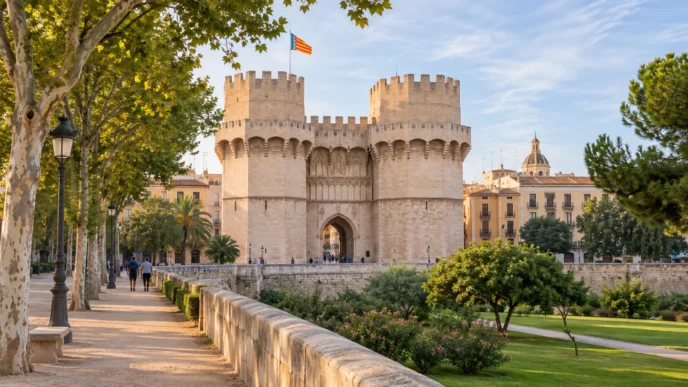
The AEMET airport figures put average daily highs near 20°C in March and 21°C in April. This can suit time on the Alcazaba hill, cathedral-side wandering and lunch outdoors. Layers make sense for a later evening and a spring shower can move your plan indoors.
If Holy Week is the trip’s purpose, use the city’s Semana Santa information to plan a viewing area and a route back before booking a room. If you want quieter streets and smoother luggage access, compare dates outside the busiest processions.
✅ What Other Travelers Say: The guide offers context on the scale and pace of the processions.
⚠️ The Catch (Things to Keep in Mind): The event moves with the Easter calendar. Check your exact dates, street access and guest arrival arrangements.
☀️ May to June for the city and a first beach day
City and coast · Longer days · Warmer afternoons
May is a good starting point when you want ample daylight and time between the historic center and port. The long-term average high is about 24°C in May and 28°C in June at the airport. June can be a better fit for warmer shore time while still leaving room for a sightseeing morning.
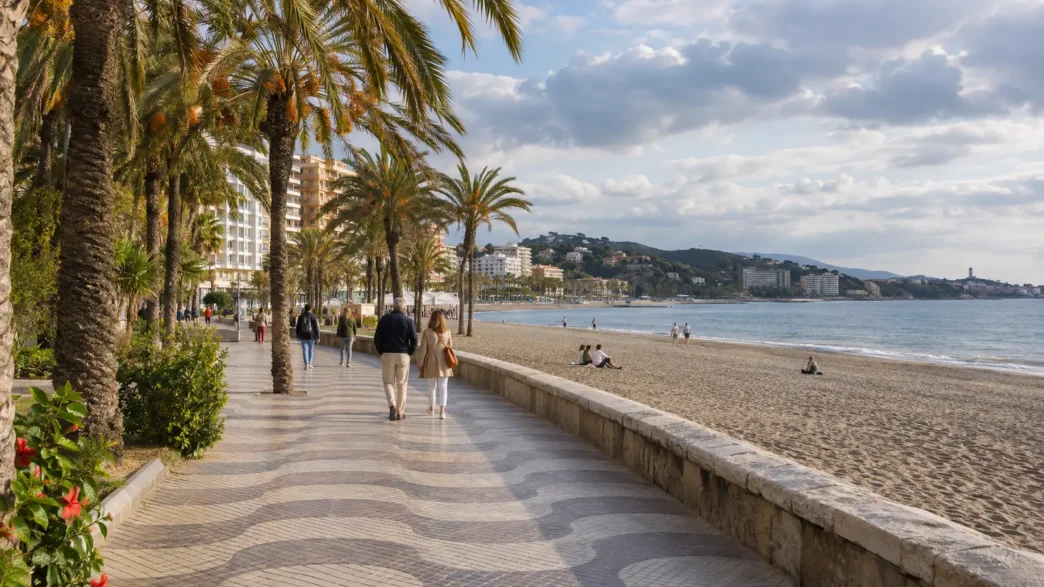
Plan monuments early, leave lunch flexible and use the later hours for Muelle Uno or the promenade. If swimming matters, check recent local conditions separately from the daytime high.
✅ What Other Travelers Say: The evening footage is useful for picturing a city day that runs from a museum visit into a late meal or walk.
⚠️ The Catch (Things to Keep in Mind): Early summer sun can be strong. Keep water and an unhurried indoor or shaded break in your plan.
🏖️ July to August for the beach and Feria de Málaga
Beach mornings · Summer heat · August fair
Summer suits travelers who want to spend long stretches near the sea. AEMET’s airport normals show highs around 30–31°C in July and August, and much lower typical rainfall than late autumn. Higher daily temperatures can occur. Do the longest walks early, and leave the hottest part of the day loose.
The city feria guidance covers August programming and locations. The historic center and the fairground at Cortijo de Torres can involve quite different journeys. Stay near the place you want to use most.
✅ What Other Travelers Say: The evening walk gives an idea of the energy and crowd conditions around the fair.
⚠️ The Catch (Things to Keep in Mind): During high-demand weekends, check air conditioning, cancellation, beach access and where your late return can drop you.
🍂 September to November for a slower mixed trip
Shoulder season · City walks · Wetter into November
The airport’s average daily high is about 28°C in September, 24°C in October, and 20°C in November. September has a more summery feel. October suits sightseeing and a flexible beach afternoon, with more reason to check the forecast. November is a useful month to build around museums and outdoor windows.
Keep a one-day movement option if you want a hill walk or gorge trip. The AEMET normals show more precipitation in November than September, but dates and locations vary.
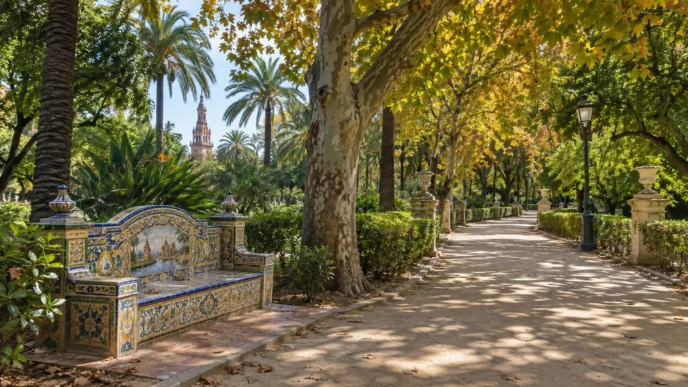
✅ What Other Travelers Say: The October walk gives a ground-level reference for a trip based on lanes, trees and outdoor breaks rather than the summer beach alone.
⚠️ The Catch (Things to Keep in Mind): Wind and rough sea can change coastal plans before rain arrives. Use the port or an indoor stop as a backup.
✨ December to February for museums and winter lights
Milder winter days · Festive evenings · Cooler nights
Winter is good for travelers who enjoy a longer lunch, a museum and time for photos. Average daytime highs at the airport are about 17–18°C from December to February, with cooler nights. Shorter days and spells of rain make it worth planning two possible afternoon activities.
The lights on Calle Larios give some winter dates a busy atmosphere. If quiet looks more appealing, compare hotel prices on ordinary January and February weekdays away from local events.
✅ What Other Travelers Say: The holiday video shows one previous year’s display and the street setting, helping you choose whether the crowds suit your evening.
⚠️ The Catch (Things to Keep in Mind): Program times and designs change each season. Look for current dates before reserving a holiday weekend.
Key FAQs
What is the best month to visit Málaga for sightseeing? May and October are useful starting points. Both typically allow long city walks and lunch outdoors, with October somewhat more weather-sensitive.
When is Málaga best for a beach holiday? June through September is a good starting window, with the hottest conditions in July and August. Check sea conditions and give yourself a shady alternative on very hot or windy days.
Is Málaga worth visiting in winter? Yes for museums, food and daytime walks. Choose sturdy shoes and layers, and compare ordinary weekday prices with holiday dates when Calle Larios is especially busy.
Final Verdict and Your Next Step
Choose May or October if it is your first trip and you want to mix the city with the coast. If you want a specific event, check the calendar and nearest usable drop-off before reserving a hotel in Málaga for your dates.
Once you have a month, use our city itineraries to line up the exposed walks with the best hours of daylight.