
💡 Key Takeaways
- Do not plan Incheon like one compact city center. The old port, Songdo, Sorae, Ganghwa Island and Yeongjong are separate travel zones. Mixing two distant zones in one day is the fastest way to waste hours in transfers.
- Book Wolmi Sea Train through its official reservation system. It is closed on Mondays, online booking stops before the travel day, seats are not assigned, and busy periods can still create delays.
- Give Ganghwa Island its own day. Rail does not reach the island. If your priority is time and energy rather than the absolute lowest fare, a taxi, rental car, hired driver or carefully chosen tour is often smarter than stitching together local buses.
- Put Yeongjong on Day 5. INSPIRE, Eurwangni Beach and airport-side facilities belong together. Ending near Incheon International Airport prevents the classic mistake of crossing back to the mainland and then returning to the airport again.
- Do not drag a large suitcase through Chinatown hills, Wolmido or the beach. Use hotel storage first; use verified airport storage/delivery services when the flight schedule makes that necessary.
If you search for an Incheon 5-day itinerary, you will find plenty of lists that make every attraction look conveniently adjacent. They are not. Incheon is geographically spread out, and the most common first-timer mistake is not choosing the “wrong” attraction; it is choosing the wrong combination of attractions. A route can look impressive on Instagram and still leave you standing on platforms, waiting for buses, carrying luggage up slopes, or arriving at an outdoor attraction after the best light has gone.
This itinerary fixes that by treating Incheon as five practical zones: Jemulpo Old Port and Wolmido, Songdo, Sorae/Namdong, southern Ganghwa, and Yeongjong. The goal is not to cram the highest possible number of pins into five days. It is to reduce backtracking, protect your legs, use rail where rail works well, spend money on a taxi only where it actually buys back meaningful time, and keep the last day airport-friendly.
One 2026 map warning: Incheon changed its administrative district structure on July 1, 2026. Older travel articles and even some cached booking pages may still show “Jung-gu” for places now displayed under Jemulpo-gu or Yeongjong-gu. The city has confirmed the restructuring, so do not assume two listings are different places just because the district name changed. Use the attraction name and road address when comparing maps. Official Incheon 2026 district update.
The 1-Min Cheat Sheet
- Incheon Chinatown + Open Port Area + Jayu Park — Best for: first-time history, food and easy sightseeing straight from Incheon Station. Stay: 3–4 hours including lunch. Ticket/transit: neighborhood and park are free; small museums may charge modest on-site fees and several close on Mondays. Walk from Incheon Station, but expect slopes.
- Wolmido + Wolmi Sea Train — Best for: harbor views, families, retro amusement-park atmosphere and a low-effort panoramic ride. Stay: 3–4 hours. Ticket/transit: reserve the Sea Train on the official site; initial boarding for online reservations is at Wolmi Sea Station. Short bus/taxi from Incheon Station; walking the whole way is possible but wastes energy.
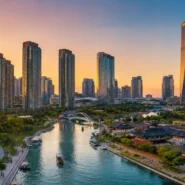
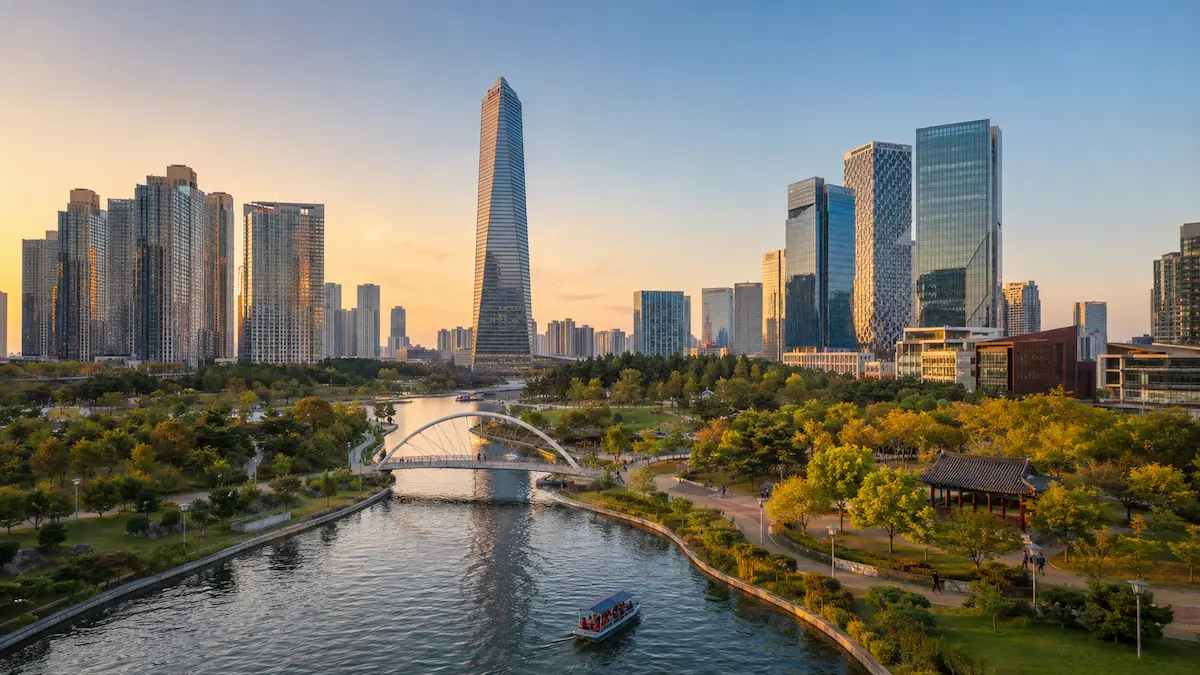
- Songdo Central Park — Best for: skyline photos, couples, an easy sunset and travelers who want a modern contrast to old Incheon. Stay: 2–3 hours, longer if you rent a boat. Ticket/transit: park entry is free; water activities cost extra and depend on season/weather. Use Incheon Subway Line 1 to Central Park Station.
- National Museum of World Writing Systems — Best for: rainy days, design/language fans, families and anyone needing a seated indoor break. Stay: 1.5–2 hours. Ticket/transit: regular admission is free; closed Mondays under normal scheduling. It sits beside the Songdo Central Park zone, so walk rather than taking another vehicle.
- Sorae Marsh Ecological Park + Sorae Port — Best for: a lower-cost slow day, photographers, bird/wetland fans and travelers tired of malls. Stay: 3–5 hours combined. Ticket/transit: wetland park is free; use rail toward Soraepogu plus a short taxi if you want to save your legs. At the seafood market, confirm prices before ordering rather than assuming “market” means cheap.
- Jeondeungsa Temple — Best for: history, architecture, quiet atmosphere and travelers who want cultural depth on Ganghwa. Stay: 1.5–2 hours. Ticket/transit: admission is currently free; parking may be charged. No rail access, so combine it with other southern Ganghwa stops.
- Ganghwa Seaside Resort Luge — Best for: couples, families with eligible children and travelers who want an active experience rather than another photo stop. Stay: 2–3 hours. Ticket/transit: paid; online QR vouchers exist, but the verified KKday product requires on-site voucher presentation rather than promising a magic walk-through gate. Weather can affect operation.
- INSPIRE Entertainment Resort + Eurwangni/Seonnyeobawi coast — Best for: a final airport-side day, bad-weather flexibility, media-art fans and sunset seekers. Stay: 5–7 hours combined. Ticket/transit: public Aurora areas are free to view; paid attractions inside the resort are separate. Eurwangni is free. Use official airport shuttles where applicable, then short taxi rides for the coast.
The Most Practical 5-Day Itinerary
Day 1: Chinatown, Open Port, Jayu Park & Wolmido — Do the Old Port Once, Not Twice
- Recommended start: 9:00 a.m. at Incheon Station. If this is your arrival day and you cannot start before noon, cut Jayu Park or the amusement-park portion of Wolmido rather than racing through everything.
- Order: Incheon Station → Chinatown gate and core streets (9:00–10:15) → Jayu Park (10:15–11:00) → Open Port historic streets and one or two small museums (11:00–12:15) → early lunch in Chinatown/Sinpo area (12:15–1:20) → return toward Incheon Station → short bus or taxi to Wolmi Sea Station → Wolmi Sea Train reservation window around 2:00–3:00 → Wolmido Culture Street/boardwalk → sunset and early evening.
- Suggested stays: 60–75 minutes for Chinatown streets; 30–45 minutes for Jayu Park; 60–75 minutes for Open Port history; roughly 42 minutes for a full Sea Train loop plus boarding time; 90–150 minutes for Wolmido depending on whether you ride attractions.
- Best transport between stops: walk within Chinatown–Jayu Park–Open Port because these sights form a compact heritage cluster. Do not waste a bus ride between every pin. From the Incheon Station area to Wolmido, take a short local bus or taxi unless you specifically want the extra walk.
- Lunch/rest zone: eat before the peak lunch wave if you have a famous jajangmyeon restaurant in mind. Otherwise, choose a less-hyped restaurant one or two streets away. The most famous storefront is not automatically the best use of a 45-minute queue.
- Cut if tired: Songwol-dong Fairy Tale Village is easy to omit unless murals are a priority. On Wolmido, skip the amusement rides if you came mainly for the sea view. Keep the Sea Train only if you booked it or truly want the elevated loop.
- Rain alternative: concentrate on the Jajangmyeon Museum/Open Port museums, have a longer lunch, and move more quickly through outdoor streets. Check museum closure days first; Monday is a recurring closure day for several institutions.
- Evening area: stay on Wolmido for lights and sea views, or return to the old-port/Sinpo area for dinner. Do not cross to Songdo just because a viral reel tells you to catch a second skyline in the same evening.
- Why this beats the common influencer route: many one-day posts bounce Chinatown → Songdo → Wolmido because all three are “famous Incheon.” That creates a triangle of transfers. This day completes the entire western old-port cluster in one sweep and saves Songdo for a dedicated rail-friendly day.
Day 2: Songdo Central Park & National Museum of World Writing Systems — Modern Incheon Without the Zigzag
- Recommended start: 8:30–9:00 a.m. at Songdo Central Park. The park is open 24 hours, so starting before the museum opens gives you quieter paths and softer light without creating dead time.
- Order: Central Park morning walk (8:30–10:00) → National Museum of World Writing Systems at opening (10:00–11:45) → lunch in the Central Park/Convensia area (12:00–1:15) → optional Songdo Hanok Village/Tri-Bowl exterior or café break (1:15–3:00) → optional Hyundai Premium Outlets/Triple Street only if shopping matters → return to Central Park around golden hour.
- Suggested stays: 90 minutes in the park in the morning; 90–120 minutes in the museum; 60–90 minutes for lunch; 1–2 hours for an optional shopping block; another hour around sunset if the weather is good.
- Best transport between stops: subway to Central Park Station, then walk the core zone. The museum and park belong together. If you go to the outlet/Triple Street area, use Incheon Line 1 rather than walking several kilometers just to prove you can.
- Lunch/rest zone: eat near Central Park or Convensia where there are many indoor options and clean restrooms. This is a good day to schedule a longer sit-down lunch because Day 1 and Day 4 are more physically demanding.
- Cut if tired: cut the outlet first. Songdo’s shopping complexes are convenient, but unless shopping is a goal they are not more valuable than preserving your energy for sunset.
- Rain alternative: make the museum the centerpiece, add a café or shopping block, and keep only a short umbrella walk in Central Park. The museum’s regular admission is free, making this one of the best bad-weather value plays in Incheon.
- Evening area: Central Park is the obvious choice. Songdo generally feels calmer after office hours, and the skyline is more rewarding at dusk than at flat midday light.
- Why this beats the common influencer route: it does not send you from Songdo back to Incheon Station for lunch and then out again. Once you arrive in Songdo, stay in Songdo. That sounds obvious, yet many attraction-list itineraries accidentally force exactly that kind of reset.
Day 3: Sorae Marsh & Sorae Port — A Deliberately Slower Day That Prevents Day-4 Burnout
- Recommended start: 9:15 a.m., aiming to reach the marsh trail around its 9:30 a.m. operating window. Early light is better for the windmills, reeds and birds, and you avoid spending the hottest part of the day on exposed paths in summer.
- Order: Sorae Marsh Ecological Park (9:30–11:30) → short taxi toward Soraepogu/Sorae Port if you want to minimize walking → lunch around 11:45–1:00 → port and waterfront stroll (1:00–2:15) → long café/rest break → optional easy evening back in Songdo or near your hotel.
- Suggested stays: 90–120 minutes on the main wetland paths; 60–75 minutes for lunch; 45–75 minutes around the port. Do not try to “finish” the entire marsh; it is large and the point is atmosphere, not completion.
- Best transport between stops: use rail toward Soraepogu, then a short taxi for the marsh if the last-mile walk is inconvenient. This is one of those cases where a small taxi fare can save a lot of low-value pavement.
- Lunch/rest zone: Sorae Port is convenient, but seafood markets are where budget travelers need discipline. Ask the final price, portion and preparation charge before agreeing. If you dislike bargaining or uncertainty, eat at a menu-priced restaurant instead.
- Cut if tired: skip the port and go straight to a café after the wetlands. The marsh is the more distinctive experience; the market is optional unless seafood is one of your trip priorities.
- Rain alternative: skip exposed wetland trails in heavy rain or poor visibility. Use this as your overflow indoor day: revisit Songdo’s museum if it was closed, shop indoors, or move a pre-booked CIMER session from Day 5 if your booking conditions allow.
- Evening area: keep it simple. Songdo is logical if your hotel is there; otherwise return to your base and rest. Day 4 requires the most awkward transport of the trip.
- Why this beats the common influencer route: a five-day plan needs pacing. Turning Day 3 into another dawn-to-night cross-city sprint only makes Ganghwa miserable. This lower-cost day keeps you outdoors, adds a different landscape, and deliberately protects energy for the island day.
Day 4: Jeondeungsa & Ganghwa Luge — The Day to Spend Money on Transport, Not on Backtracking
- Recommended start: leave your hotel around 7:30–8:00 a.m. and aim for Jeondeungsa near its 9:00 a.m. opening. If you are visiting on a weekend, this early start matters more than squeezing in another café later.
- Order: mainland Incheon → Jeondeungsa (9:00–10:45) → lunch in the Gilsang/Onsu side of southern Ganghwa (11:15–12:30) → Ganghwa Seaside Resort Luge (about 1:00–3:30) → optional nearby café/scenic stop → return before the worst evening traffic if possible.
- Suggested stays: 90–105 minutes at Jeondeungsa; 2–2.5 hours at the luge/cable-car complex; extra buffer for parking, ticket redemption, helmets and queues.
- Best transport between stops: this is the least rail-friendly day. A rental car, taxi arrangement, private driver or a well-matched tour can be worth the premium. Public buses are possible, but the island is spread out and missed connections can erase the savings in time.
- Lunch/rest zone: eat in southern Ganghwa between the temple and resort rather than detouring north to Ganghwa-eup just for a famous café. A “must-visit” café is not a must if it adds an hour of driving.
- Cut if tired: if motion rides are not your thing, skip the luge and keep the cable-car/scenic component only if current ticketing allows the option you want. If you are traveling with older adults, check the luge’s age/height/health restrictions before building the day around it.
- Rain alternative: Jeondeungsa can still be atmospheric in light rain, but the luge is weather-dependent. In sustained bad weather, replace the luge with an indoor Ganghwa stop or a long café/rest period rather than gambling half the day on a possible suspension. Recheck the resort before departure.
- Evening area: return to your existing mainland hotel. Moving hotels immediately after a Ganghwa day sounds efficient on a map but is miserable with luggage unless you specifically need an airport-side hotel for a very early Day-6 flight.
- Why this beats the common influencer route: it refuses to add northern Ganghwa observatories, a west-coast beach, a textile café and the southern luge into one day. Ganghwa is large. Two strong stops in the same southern half are better than five rushed pins in different directions.
Day 5: INSPIRE + Eurwangni Coast — Finish Near the Airport, Not Back on the Mainland
- Recommended start: 10:00 a.m. This is intentionally later. Check out, leave luggage at the hotel if convenient or move it to an airport-side storage plan, then travel to Yeongjong without rush-hour heroics.
- Order: INSPIRE Entertainment Resort public areas/Aurora (10:30–12:30) → lunch inside or near the resort (12:30–1:45) → optional paid indoor attraction or café (1:45–3:00) → Eurwangni Beach around 3:30 → if it is unpleasantly crowded, continue to Seonnyeobawi Beach or nearby Wangsan instead → sunset → airport/Unseo dinner or flight.
- Suggested stays: 2 hours at INSPIRE if you are only seeing the public media spaces; 3–5 hours if you book a paid attraction. Allow 2–3 hours for the coast including sunset.
- Best transport between stops: use the resort’s current official airport shuttle where it matches your terminal and timing, then use a taxi for the beach segment. Trying to save a small amount on multiple local bus waits is a poor trade on the day you may also have a flight.
- Lunch/rest zone: INSPIRE is the easiest place for predictable indoor seating, climate control and toilets. It is not the cheapest meal area, so budget travelers can eat more simply and save the spend for transport.
- Cut if tired: skip the beach if visibility is poor, wind is unpleasant, or you have a tight flight. Skip paid INSPIRE attractions if Aurora/public areas are all you wanted to see.
- Rain alternative: replace Eurwangni with an indoor block at INSPIRE or CIMER at Paradise City. CIMER is a paid spa/jjimjilbang experience near the airport and works much better as a deliberate bad-weather splurge than as a random add-on to another mainland day.
- Evening area: Unseo, Paradise City, INSPIRE or the airport. If your flight is early the next morning, this is the one night when an airport-side hotel move can make sense.
- Why this beats the common influencer route: it recognizes that Yeongjong is an airport island, not a quick add-on after Songdo. You end where your journey is likely to leave Korea, and you keep a built-in rain option without crossing Incheon again.
Tourist Traps to Avoid & Itinerary Hacks
- Trap: “Incheon is basically the airport plus a few nearby sights.” It is not. Ganghwa is a completely different transport problem from Songdo, and the old port is on another side of the city from the airport resort zone. Hack: plan by zone, not by social-media fame.
- Trap: Chinatown at peak lunch just for one famous restaurant. The neighborhood is worth visiting, but losing an hour to a restaurant queue can be disproportionate. Hack: eat before noon or after the main lunch rush, and judge a restaurant by menu and wait time, not only by its signboard history.
- Trap: treating Songwol-dong Fairy Tale Village as a mandatory half-day. It is photogenic in the right mood, but it can feel small and heavily staged if murals are not your thing. Hack: use it as a 20–30 minute optional connector, not a pillar of the itinerary.
- Trap: walking Incheon Station → Wolmido simply because the map says it is possible. Possible does not mean smart. Hack: save your steps for Jayu Park, the waterfront and Ganghwa. A short bus or taxi is a rational energy purchase.
- Trap: assuming a Wolmi Sea Train reservation means an assigned seat and zero waiting. Official guidance says there are no assigned seats, and busy operations can delay boarding. Hack: book an earlier time window and avoid building a non-refundable reservation immediately afterward.
- Trap: booking Wolmi Sea Train on a Monday. It is regularly closed Mondays. Hack: put Day 1 on Tuesday–Sunday if the train is important, or swap Day 1 and Day 2.
- Trap: trying to do Ganghwa entirely by public transport because buses look cheap. The fare is cheap; your time may not be. Hack: compare the total door-to-door time. If two or more travelers are splitting a taxi/driver, the effective cost of saved hours can be reasonable.
- Trap: buying a multi-stop day tour that repeats places already in your five-day plan. Some highly rated tours bundle Chinatown, Wolmido, Ganghwa and INSPIRE because that makes sense for a one-day visitor. It makes less sense if you already have five days. Hack: buy a transport solution for the hard day, not a sightseeing bundle that forces duplicate stops.
- Trap: assuming online ticket = direct QR gate. The verified KKday Ganghwa Luge product uses a QR voucher but instructs travelers to present it at the ticket counter; it specifically does not promise self-service-gate entry. Hack: read the redemption line, not just the “e-voucher” badge.
- Trap: over-romanticizing Eurwangni as a tropical beach. It is a West Sea beach known for sunsets, and tidal conditions change how the shoreline looks. Hack: go for sunset and atmosphere; if the main beach is packed, nearby Seonnyeobawi is officially described as usually less crowded.
- Trap: assuming seafood market = automatically cheaper meal. Markets can be fun, but pricing, preparation charges and portion size matter. Hack: confirm the final price before ordering or choose a fixed-menu restaurant.
- Trap: changing hotels every night to “follow the route.” Packing, check-out, storing bags and check-in can consume more time than the transit you hoped to save. Hack: keep one mainland base for Days 1–4. Move to Yeongjong only if Day 6 begins with an early flight or you deliberately want an airport resort night.
- Trap: carrying luggage because lockers “should” exist. Lockers can be full and large cases may not fit. Hack: hotel storage is Plan A. Airport Hanjin Express storage/delivery counters are a verified Plan B; check terminal location and hours before relying on them.
- Trap: assuming Seoul’s T-Luggage network means there is a convenient T-Luggage counter everywhere in Incheon. The airport’s own guidance points primarily to Seoul subway locations plus airport Hanjin counters. Hack: do not build an Incheon-only luggage plan around a service point you have not confirmed.
Save Your Legs! The Most Efficient Route
The entire five-day route works because it is organized into five geographic bands rather than five wish lists. Think of Day 1 as the Jemulpo Old Port/Wolmido band: Chinatown, Jayu Park, Open Port streets and Wolmido can be linked with walking plus one short bus/taxi hop. Day 2 is the Songdo band: Incheon Line 1 gets you into the district, after which Central Park and the National Museum of World Writing Systems are naturally walkable. Day 3 stays in the Namdong/Sorae band. Day 4 isolates southern Ganghwa, where rail is absent and road transport matters. Day 5 stays on Yeongjong, where the airport, INSPIRE and west-coast beaches form one logical final-day ecosystem.
What should be walked? Walk Chinatown → Jayu Park → Open Port because the story of the neighborhood makes more sense on foot and the distances are short, even though there are hills. Walk within Central Park and to the writing-systems museum. Walk the Wolmido boardwalk after the train. At Sorae, walk the scenic portion of the marsh, not every last-mile road from the station.
What should be rail? Use subway/urban rail for the long predictable mainland legs: Songdo is served by Incheon Subway Line 1, while Incheon Station connects the old port to the wider rail network. If moving between the old port side and Songdo, a rail transfer is usually more dependable than sitting on surface roads during busy periods. Check Naver Map or KakaoMap on the actual day because service patterns and transfer recommendations can change.
What should be bus? Buses are useful for short first/last-mile links when frequency is good, such as Incheon Station toward Wolmido. They become less attractive when you are depending on a chain of infrequent buses on Ganghwa or carrying luggage at peak times. Surface buses can also lose their time advantage in traffic.
When is a taxi smarter? Use a short taxi when it deletes an ugly 20–30 minute roadside walk, removes one uncertain rural connection, or protects a timed reservation. Examples: Incheon Station to Wolmido when your Sea Train window is approaching; Soraepogu area to the marsh when the last-mile walk would drain you; and the Yeongjong resort-to-beach segment on Day 5. A taxi is not “budget failure” if it saves enough time to avoid another meal, missed ticket or exhausted evening.
How do you avoid returning to the same station every day? Do not treat Incheon Station as Kyoto Station or Seoul Station—a hub you must reset through after every attraction. Once you enter Songdo, stay in Songdo. Once you reach Sorae, finish that zone. Once you reach Yeongjong, do not cross back to the mainland for dinner unless there is a compelling reason.
Where should you stay? If history, food and budget are your priority, the Incheon Station/old-port side is convenient for Day 1 and not unreasonable for the rest of the mainland trip. If you prefer newer hotels, wider rooms and a calmer environment, Songdo is more comfortable but adds time to old-port sightseeing. The smartest compromise is usually one mainland hotel for the first four days, not daily hotel hopping. Add a final Yeongjong/Unseo airport-side night only when an early departure, spa stay or resort night genuinely justifies the move.
What about big luggage? Leave it at your hotel after check-out whenever the hotel allows it. If you need to move toward the airport early, Incheon International Airport lists Hanjin Express storage/delivery counters, with location and hours varying by terminal. Do not roll a 28-inch suitcase up Chinatown slopes or onto a crowded sightseeing train. Station lockers can be useful for smaller luggage, but availability is not guaranteed, so they should be a backup rather than the backbone of your route. Incheon Airport luggage guidance.
Ticket Tips & Skip-the-Line Hacks
Wolmi Sea Train: this is the attraction where advance planning has the clearest payoff. The official English reservation page confirms regular Monday closure, advance booking, initial online-reservation boarding at Wolmi Sea Station, and the possibility of long waits when stations are busy. Reservations are not the same as assigned seats. Book through the official site rather than paying a reseller premium unless there is a specific bundled benefit you actually need. Official Wolmi Sea Train booking.
Songdo Central Park: no admission ticket is needed for the park itself. Boat/water activities are paid separately and can vary with weather and season. There is no reason to buy a “skip-the-line Central Park ticket” just to walk the park.
National Museum of World Writing Systems: regular admission is free, with paid special exhibitions possible. The museum is normally open Tuesday–Sunday 10:00–18:00 with last entry before closing, and standard individual visits do not need a generic skip-the-line ticket. Special programs, children’s spaces or foreign-language guided arrangements can have their own reservation rules. Official museum visitor information.
Chinatown/Open Port museums: streets, Chinatown and Jayu Park are free. Several small museums use inexpensive on-site admission and commonly close Mondays. This is exactly the category where buying a third-party “city attraction pass” may create more complexity than value. Decide which one or two museums you actually want to enter.
Jeondeungsa: current tourism information lists admission as free. No “skip-the-line temple ticket” is necessary. If you are driving, parking is a separate matter. Current Jeondeungsa visitor information.
Ganghwa Luge: this is a sensible place to pre-buy when you want to lock in the activity and reduce on-site decision-making. However, do not oversell the benefit: the verified KKday product says to present the QR code on-site at the ticket counter and notes that operation can change with weather. It is an e-voucher, but not a guaranteed straight-through gate bypass. Check the verified KKday Ganghwado LUGE & Cable Car ticket.
If you are sleeping in Seoul rather than Incheon and want someone else to solve the Ganghwa transfer, this Klook half-day product is currently live and includes transfers. It is less useful for travelers already following this Incheon-based route, because you may spend time returning to a Seoul pickup point. Klook: Seoul Ganghwa Luge Half-Day Adventure with Transfers.
INSPIRE Aurora: the public media-art areas are not a ticketed “fast pass” attraction. Paid experiences inside the resort are separate and should be booked only if you actually want them. Check the resort’s official daily operating information because show timing can change.
CIMER at Paradise City: this is not essential to a five-day Incheon itinerary, but it is one of the few paid experiences that can genuinely rescue a rainy final day near the airport. The verified KKday listing uses an e-voucher and has current operational notices; read the facility restrictions before purchase. Check the verified KKday CIMER Spa & Jjimjilbang ticket.
Seasonal trains, cultural experiences and rentals: reserve only when the provider actually operates a capacity-limited time slot. Hanbok rentals, guided cultural programs, concerts at INSPIRE Arena and seasonal festivals can require separate booking, but they should not be treated as permanent parts of this itinerary. Do not buy a pass just because an affiliate page says “best seller.” Buy it because the time slot or transport problem is real.
Tried & Tested: My Honest Review
Editorial note: the verdicts below combine current official operating information with recurring traveler-review patterns. They are not presented as a scientific survey or as fabricated personal experiences. YouTube rankings, view counts and embed permissions change over time; each plain watch URL below was a live, relevant result surfaced during publication-time research, with higher-view results preferred when visible. WordPress may auto-embed standard YouTube URLs, but the uploader/YouTube ultimately controls future embedding availability.
📍 Stop 1: Incheon Chinatown, Jayu Park & the Open Port District
Tags: Historic core · Food · Hills · Budget-friendly · Best on foot
My take: This is the right first stop because it gives Incheon a story. Chinatown alone can feel commercial if you only photograph gates and eat noodles; the district becomes much more rewarding when you connect it to Jayu Park and the Open Port architecture. The downside is terrain: the area looks tiny on a map, but stairs and slopes add up quickly.
✅ What Other Travelers Say: Review patterns tend to praise the atmosphere, food and easy access from Incheon Station, while more skeptical visitors describe Chinatown as smaller or more touristy than expected. Both reactions make sense. It works best as part of the broader historic district, not as an isolated “theme street.”
⚠️ The Catch (Things to Keep in Mind): Famous restaurant queues can consume the time you meant to spend on history. Several small museums close Mondays. If mobility is limited, do not underestimate the climb toward Jayu Park.
📍 Stop 2: Wolmido & Wolmi Sea Train
Tags: Harbor views · Family-friendly · Retro · Timed attraction · Weekend queues
My take: The Sea Train is more useful than its “tourist ride” label suggests: it gives you a seated panoramic overview after a hilly old-port morning. Wolmido itself is fun if you enjoy neon, arcade energy and old-school amusement rides. If you expect a polished modern theme park, you may be underwhelmed.
✅ What Other Travelers Say: Travelers frequently enjoy the elevated harbor views and nostalgic carnival atmosphere. The experience is especially popular with couples and families who want a relaxed, photogenic outing rather than a museum-heavy day.
⚠️ The Catch (Things to Keep in Mind): The official train guidance says seats are not assigned and busy conditions can cause delays. It is closed Mondays and can suspend for weather or operational issues. A reservation reduces uncertainty; it does not eliminate every queue.
📍 Stop 3: Songdo Central Park
Tags: Skyline · Free entry · Sunset · Easy subway · Low-pressure sightseeing
My take: Songdo photographs beautifully, especially around sunset. It is also one of Incheon’s easiest places to enjoy without a schedule. The mistake is expecting constant street-level buzz. The wide modern district can feel quiet or even sterile to travelers who prefer dense old neighborhoods.
✅ What Other Travelers Say: Positive reviews often mention cleanliness, modern architecture, walking and night views. Some travelers specifically like that it feels less crowded than central Seoul sightseeing zones.
⚠️ The Catch (Things to Keep in Mind): “Futuristic” does not automatically mean exciting for everyone. Midday can feel flat, and paid water activities are weather/season dependent. Visit for the park and skyline, not because you expect every surrounding block to be lively.
📍 Stop 4: National Museum of World Writing Systems
Tags: Free · Indoor · Design · Language · Rainy-day winner
My take: This is one of the smartest additions to a first-time Songdo day because it fixes two itinerary problems at once: it gives the district cultural depth and provides an air-conditioned/restful block. You do not have to be a linguist to enjoy the visual story of writing systems.
✅ What Other Travelers Say: Visitors tend to appreciate the modern building, educational displays and the fact that regular admission is free. Families also benefit from the museum as a controlled indoor break.
⚠️ The Catch (Things to Keep in Mind): If you are not interested in language, scripts, design or museums, two hours may be excessive. Check Monday/holiday closures and separate reservation rules for children’s or guided programs.
📍 Stop 5: Sorae Marsh Ecological Park & Sorae Port
Tags: Wetlands · Photography · Free · Slow travel · Seafood caution
My take: Sorae is here because a five-day itinerary needs contrast. The windmills, salt-field landscape and open sky give you a different Incheon from Songdo’s glass towers. The port can be enjoyable, but I would not make a special claim that it is a guaranteed bargain meal.
✅ What Other Travelers Say: The marsh is widely valued for walking, photography, reeds and birdlife. It is particularly appealing in fall and at softer-light times of day.
⚠️ The Catch (Things to Keep in Mind): It is exposed to sun, wind and rain, and the whole park is far larger than most visitors need to cover. At the seafood market, ask prices clearly before ordering. If markets make you uncomfortable, skip the food component without guilt.
📍 Stop 6: Jeondeungsa Temple
Tags: Historic temple · Free admission · Quiet · Forested · Ganghwa south
My take: Jeondeungsa is the cultural anchor that stops a Ganghwa day from becoming “drive far away just to ride a luge.” The setting inside the old fortress area feels markedly calmer than Incheon’s urban attractions, and it rewards visitors who look at the architecture rather than simply collecting photos.
✅ What Other Travelers Say: Reviewers commonly value the peaceful setting, historic buildings and mature trees. It tends to work well for travelers who want a slower cultural stop rather than another commercial attraction.
⚠️ The Catch (Things to Keep in Mind): The approach and temple grounds involve walking and uneven terrain. Admission is currently free, but parking can be separate. Do not add it to a Ganghwa day if your group has zero interest in temples; spend longer at the activity you actually enjoy.
📍 Stop 7: Ganghwa Seaside Resort Luge
Tags: Adventure · Cable car · Families · Paid · Weather-dependent
My take: This is one of the rare attractions in the itinerary where paying in advance can be useful, but the main value is the experience, not the “skip line” marketing. The ride is genuinely active: steering and braking require physical input, so it is not equally suitable for every age and condition.
✅ What Other Travelers Say: Recent ticket-platform feedback is strongly positive about the speed, views and repeat rides; some visitors specifically say multiple runs let you appreciate the different tracks.
⚠️ The Catch (Things to Keep in Mind): Age, height and health restrictions apply, and weather can affect operation. Lines can build on busy days. A QR voucher may still require counter redemption, so budget time for the process.
📍 Stop 8: INSPIRE Entertainment Resort & Aurora
Tags: Media art · Indoor · Airport-side · Free public areas · Paid extras
My take: Aurora is an excellent “final-day insurance policy” because it is dramatic, indoor and close to the airport. But be clear about what you are going for: the public media corridor is a visual experience inside a large integrated resort, not a half-day cultural attraction by itself.
✅ What Other Travelers Say: Resort reviews consistently praise the scale, cleanliness and video displays, especially for families and travelers who want entertainment without worrying about weather.
⚠️ The Catch (Things to Keep in Mind): Food and paid entertainment can quickly raise the budget. Do not buy a package just to see Aurora if the public area is your only goal. Current shuttle/show timing should be checked on the resort’s official channels.
📍 Stop 9: Eurwangni Beach — With Seonnyeobawi as the Crowd Escape
Tags: Sunset · Free · Tidal coast · Airport-side · Weekend crowds
My take: Eurwangni makes sense at sunset, not as an all-day “Korean tropical beach resort.” The West Sea tide changes the view dramatically. Treat the coast as a final golden-hour stop and you are much less likely to be disappointed.
✅ What Other Travelers Say: Sunset is the recurring draw, and the beach’s proximity to the airport makes it practical for a last day. It is also a familiar weekend outing for local visitors.
⚠️ The Catch (Things to Keep in Mind): Peak weekends can feel busy, and low tide may expose broad tidal flats. If the main beach is too crowded, nearby Seonnyeobawi Beach is officially described as generally less crowded than Eurwangni. That is a better crowd-avoidance move than simply waiting in the same congested strip.
Key FAQs
Is five days in Incheon too long for first-time visitors?
Not if you treat Incheon as a regional trip rather than a one-neighborhood city break. Five days gives you enough time for the old port, Songdo, a slower nature day, Ganghwa Island and Yeongjong without combining opposite directions. If you only want “must-see” landmarks, three days may be enough; five days is better for travelers who value slower pacing and fewer exhausting transfers.
Where should first-time visitors stay in Incheon for a 5-day itinerary without changing hotels every night?
Choose one mainland base for Days 1–4. Stay near Incheon Station if you prioritize Chinatown, old-port atmosphere and budget; choose Songdo if you prioritize newer hotels and a calmer modern environment. Move to Unseo/Yeongjong only for the final night when an early flight or airport-resort stay makes the move worthwhile.
Can I do Ganghwa Island from Incheon without renting a car?
Yes, but “possible” and “efficient” are different. Public buses can reach Ganghwa, yet the attractions are spread out and last-mile connections take time. For a two-stop southern Ganghwa day, compare bus travel against a taxi, hired driver, rental car or tour. If you are traveling with two or more people, paying more for road transport can save enough hours to be the better overall value.
Final Verdict and Your Next Step
The best first-time Incheon itinerary is not the one with the most attractions; it is the one that makes the city’s geography work for you. Keep the old port and Wolmido together, give Songdo its own rail-friendly day, use Sorae as a lower-pressure reset, isolate Ganghwa because road transport is the real challenge, and end on Yeongjong so you are already near the airport. That sequence cuts unnecessary crossings and leaves you with enough energy to enjoy the places you paid to reach.
Before you travel, lock in only the reservations that solve a real problem. Book Wolmi Sea Train on its official website if it is a must-do. For Ganghwa Luge, an advance e-voucher can be useful, but remember that the verified QR product still requires on-site presentation. If rain threatens Day 5, CIMER is a legitimate airport-side indoor alternative rather than a random upsell.
Useful booking links: KKday Ganghwado LUGE & Cable Car Ticket · KKday CIMER Spa & Jjimjilbang Ticket · Klook Ganghwa Luge Half-Day Transfer Option.
One last anti-trap rule: do not prepay simply because a page says “skip the line.” Confirm what the voucher actually changes: entry, redemption, transport, time slot or nothing. In Incheon, the smartest traveler is usually the one who buys fewer things—but buys the right one before the bottleneck day.
Verification Sources
- Incheon Metropolitan City — 2026 administrative district restructuring/address update
- Wolmi Sea Train — official English reservation page
- Wolmi Sea Train — official operating/booking guidance
- VISITKOREA — Songdo Central Park
- National Museum of World Writing Systems — official visitor information
- VISITKOREA — Sorae Marsh Ecological Park
- VISITKOREA — Jeondeungsa Temple
- VISITKOREA — Ganghwa Luge
- VISITKOREA — Eurwangni Beach
- VISITKOREA — Seonnyeobawi Beach crowd-avoidance alternative
- Incheon International Airport — luggage/T-Luggage guidance
- KKday — verified Ganghwado LUGE & Cable Car product page
- KKday — verified CIMER product page
- Klook — verified Ganghwa Luge half-day transfer product page