
💡 Key Takeaways
- A workable Siena budget starts with the room and its arrival route. A cheap bed can add taxis, parking or repeated hill climbs.
- Allow roughly €80–125 per person daily for a careful shared-room trip, €140–210 for mid-range comfort, or €240–360 for a more comfortable stay. These are planning allowances, not live hotel quotes.
- Keep flights, airport transfers, shopping and countryside excursions outside the daily city allowance. Palio dates need their own accommodation search.
A Siena travel budget can look surprisingly reasonable until the small decisions start stacking up: an extra taxi after the station, a room rate that excludes breakfast, a car sitting in paid parking, and a second cathedral ticket bought because the first product did not include what you wanted. The city is compact, but its hills and restricted streets make the cheapest-looking option less obvious than it first appears.
Use this guide to build a budget around how you will actually travel. The euro figures below are editorial spending allowances for ordinary dates, rather than a survey of available rooms on a particular night. They are designed to leave room for meals and a few paid sights without assuming every day is a private-tour day. Reprice the accommodation first, then adjust the rest.
The 1-Min Cheat Sheet
- Budget Traveler: €80–125 per person per day, approximately US$90–140. Includes one adult’s half of a double or twin room at €40–60, food at €25–35, local transport at €0–4, sightseeing at €8–15 averaged across the stay, and €7–11 for local tax and small extras. This works best with two adults sharing, simple meals and a walkable base. It is not a promise that a private room for one costs €40.
- Mid-Range Traveler: €140–210 per person per day, approximately US$155–235. Includes a €75–110 room share, €40–55 for food, €4–10 for local transport, €10–20 for sightseeing, and €11–15 for tax and small extras. Think a better-located room, a proper dinner, some café stops and occasional transport rather than a taxi for every movement.
- Comfortable Traveler: €240–360 per person per day, approximately US$270–400. Includes a €130–190 room share, €65–90 for meals, €15–30 for local transport, €15–30 for sightseeing, and €15–20 for tax and extras. Luxury suites, extensive wine orders and private drivers can exceed this range quickly.
These totals include accommodation on a two-adults-sharing basis. They exclude flights, airport-to-Siena journeys, intercity travel, shopping, car hire, countryside tours and major special experiences. Add a separate 10–15% contingency rather than treating the top of a range as an emergency fund. USD figures are rounded using about US$1.12 per euro; the Central Bank of Malta’s ECB reference table showed US$1.1165 on 6 November 2026. Your card’s conversion and fees will differ.
For a simple three-night comparison, three daily allowances give €240–375, €420–630 or €720–1,080 per person before the excluded journeys and purchases. Match the number of hotel nights and meal days to your actual flight times: a late arrival and an early departure do not create two full sightseeing days, but they can still create paid transfers.
Top Budget Survival Tips
- Price the room and the hotel door together. Compare breakfast, cancellation terms, air conditioning, lift access and the route from your arrival stop. A €20 saving can disappear in a return taxi or a paid breakfast for two. Start with the Siena hotel comparison and check the actual room category, not only the property’s lowest advertised rate.
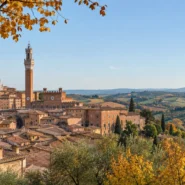
- Choose an arrival side you can live with every day. Piazza Gramsci is useful for many coach arrivals; the railway station is below the old town. A station-side hotel can simplify a train day while adding effort to repeated evenings in the historic core. A central hotel can do the reverse. Count the journeys you will actually repeat.
- Do not buy a transport pass simply because the city has hills. The current Autolinee Toscane urban ticket is €2 and lasts 70 minutes in Siena. Two paid rides cost €4; a mostly walking day may cost nothing. Compare a pass or bundle against your own ride count, and keep intercity journeys separate from urban tickets.
- Use contactless correctly rather than paying the maximum by accident. AT’s tip tap rules distinguish urban boarding taps from the boarding-and-exit taps required on extraurban, fast and mixed-fare services. Use the same card or device for the journey. One device covers one passenger at a time; a family needs an appropriate multi-person purchase method.
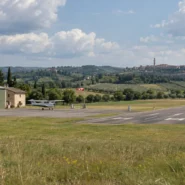
- Give airport transfers a separate line in the budget. Siena-Ampugnano is not a normal commercial arrival airport. Florence and Pisa usually mean more than one public-transport leg, while Rome adds a longer onward journey. A cheaper flight can cost more overall once you add rail tickets, a taxi and an overnight stop after a late landing.
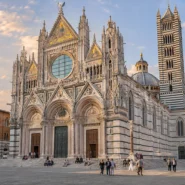
- Pick the cathedral product before paying. The official Duomo visit page lists the standard complex pass at €14, rising to €16 during the published floor-uncovering periods, with a €21 route including roof access. Those are different choices. A pass that lasts three consecutive days is useful only if you want its included sites; it does not make every Siena museum free.
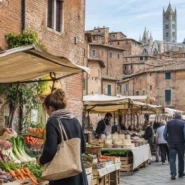
- Plan food around one deliberate sit-down meal. Use a bakery or supermarket for part of the day, buy water before a long uphill loop and check whether breakfast is already included. Read a menu for cover charges and drink prices before sitting down. A modest lunch plus a chosen dinner is easier to control than constant unplanned snacks and a second full meal.
- Cluster paid sights and free walking. Keep the cathedral area together and give the Campo time when you are already nearby. Repeated cross-city walks make it tempting to buy taxis or café breaks because the plan has exhausted you. Paying for one useful transfer can be better value than saving €2 and losing the energy for a ticket you already bought.
- Reserve car costs for a car itinerary. If you will spend the whole stay in Siena’s historic center, a rental car can mean daily parking without daily benefit. If you need one for rural stops, compare collecting it only for those days. Do not assume a hotel booking automatically gives unrestricted access through every ZTL gate.
- Budget for storage and the awkward hours. Ask the hotel about bag storage before booking a paid storage service. Confirm opening times and the last collection time, particularly on departure day. Keep taxi money available when a late check-in, heavy rain or a mobility problem changes the final leg.
Siena Budget by Travel Season
Spring weekends, Easter and public holidays
Spring can be excellent for walking, but a comfortable temperature is not the same thing as a discounted room. Easter changes date each year; 25 April and 1 May can also reshape a long weekend. Compare the whole stay across alternative dates before choosing a non-refundable flight. If the central rooms are expensive, inspect the arrival cost of the cheaper alternative rather than moving several kilometers away on price alone.
Palio periods in July and August
The traditional races are held on 2 July and 16 August, according to the Comune’s Palio site. The surrounding preparations and events matter too, so treating only race night as the expensive one is a poor shortcut. Search the actual nights and expect a different accommodation market. If the Palio is not the reason for your visit, shifting the trip can improve both your room choice and your ability to follow an ordinary sightseeing plan.
Other summer dates
Summer does not make every hotel equally expensive, but heat changes what you need from the room and the day. Working air conditioning, a convenient midday return and water stops become part of the value calculation. A low room price with poor cooling may be a worse purchase than a slightly higher central rate. Keep private wine tours and countryside drives outside your ordinary city-day estimate.
September, October and autumn event weekends
Autumn can offer a useful balance for city walking, but it remains a popular travel period. Check events and weekday-to-weekend differences, then give yourself a wet-weather reserve. Do not pay for several outdoor-led experiences on consecutive non-refundable days if the weather would make you unhappy using them. Cathedral floor visibility also follows specific dates, rather than a general promise that “autumn” includes it.
Christmas, New Year and quieter winter dates
Some winter dates may produce better room value, while holiday nights can reverse that advantage. Shorter opening hours also change the value of a sightseeing pass: a cheap stay does not help if all your museum choices fall on closure days. Currently, the Pinacoteca Nazionale is closed for works; Santa Maria della Scala’s winter notice makes Tuesday a closure day. Build the open attractions into the plan before paying for the hotel.
Common Budget Mistakes
- Using a room price as a per-person figure. Decide whether the quote is for one room, one adult or a family, then divide only where sharing is actually possible. Solo travelers should replace the room-share assumption with the complete single-occupancy rate.
- Counting only the first leg from an airport. List every ticket, connection and final hotel transfer in both directions. Price an early departure too; a daytime public route may not serve your return flight.
- Buying the same attraction twice. Compare the contents of the cathedral pass, a guided-tour option and any reseller product. Purchase the combination you want once. A tour title that mentions the cathedral may offer interior admission only in selected packages.
- Ignoring the local accommodation tax. Ask for the current charge per guest and night and the applicable exemptions. The Comune’s published regulation applies the tax for up to four nights in the same property in a calendar month and exempts children under 12. Do not borrow a neighboring municipality’s tariff or assume every online booking total includes it.
- Underpricing daily extras. Set a single daily allowance for coffee, gelato, wine and snacks. Track the first day’s actual spending, then adjust. These purchases are often the difference between a carefully planned budget and an unexplained €20–30 overspend.
- Choosing an outlying room and then taking taxis twice daily. Compare the full stay cost against a more convenient base. A room that saves €15 nightly is not necessarily a saving for two people once daily transport is added.
- Keeping a rental car throughout a pedestrian city stay. Add parking, fuel, collection arrangements and potential extra-driver charges before comparing it with trains and a one-day rental. A car is useful when it serves a real countryside plan, not merely because you arrived at an airport.
- Accepting a card terminal’s home-currency conversion automatically. Compare the offered conversion with your card’s terms; paying in euros commonly lets the card issuer perform the conversion. The ATM’s own fee and your bank’s withdrawal fee are separate. Carry a modest backup amount instead of making repeated small paid withdrawals.
- Leaving shopping unlimited. Give wine, ceramics and souvenirs their own ceiling and include baggage or shipping costs. A bottle that requires an extra checked bag is no longer just the shelf price.
- Spending the contingency on the first nice dinner. Keep it separate for an extra taxi, an unexpected night or a missed connection. If it remains unused at the end, decide then whether to spend it.
Key FAQs
How much money do I need per day in Siena including a hotel? For two adults sharing an ordinary room, use about €80–125 per person for a careful trip or €140–210 for a mid-range stay. Replace the accommodation component with a real quote for your dates, then add airport travel and a separate contingency. Palio nights and luxury rooms need a fresh calculation.
Is Siena cheaper if I stay near the train station? It can be, but compare the room saving with your daily route. The station is below the historic center; repeated transfers or uphill walks can change the value. A station-side base suits some rail-led trips, while a central base can be worth more for travelers returning to the room during the day.
Can I visit Siena on a low budget without buying every museum ticket? Yes. The streets, exterior architecture and time around the Campo can form much of a satisfying visit. Choose the paid interiors you actually want, read the contents of combined tickets and use their validity sensibly. Free outdoor sightseeing still needs a weather plan and realistic energy limits.
Final Verdict and Your Next Step
Book the room that fits your arrival and daily walking pattern, then build food, sights and transport around it. For a first short stay, one well-chosen paid cultural visit and a manageable base usually make more sense than a cheap distant room plus a list of prepaid add-ons. Recheck the total before the cancellation deadline, not while standing at a station with your bags.
Compare the official cathedral ticket options first. If a guided introduction suits your trip, check the Siena walking tour and its cathedral-admission options on Klook. Read the selected package, meeting point and cancellation terms; it is an optional experience, not a compulsory city pass. Affiliate disclosure: a booking through the Klook link may earn this site a commission.