💡 Key Takeaways
- Best overall: Stay near St Peter’s Square if you want a good balance of walkable sights, theatres, trams and easy meals.
- Best with luggage: Pick the station side of Piccadilly if your train comes in late or you need an early airport train. Check that the train actually uses Piccadilly.
- Best for independent food: Stay on a quieter edge of the Northern Quarter or in Ancoats. Ask for a room away from the main late-night street.
- Best for a slower trip: Castlefield is an easy city-based change of pace. Salford Quays makes more sense when MediaCity or the waterfront will fill much of your visit.
Trying to decide where to stay in Manchester for the first time? St Peter’s Square is a good default when you intend to walk most days. Piccadilly is the easier start for a train-heavy trip. The streets between those two areas are close enough for a short walk on a dry day, but one late arrival, rainy evening or child’s nap can change which address works best. Choose a base for the journey you expect to make repeatedly.
The 1-Min Cheat Sheet
- St Peter’s Square and the civic centre. The all-round option for museums, restaurants, central trams and theatre nights. City traffic and tram sounds vary by room.
- Piccadilly station side. Best for London trains and straightforward onward airport journeys. Use the actual Station Approach, London Road or Fairfield Street exit that matches the hotel door.
- Northern Quarter. Best if independent shops and casual meals are the point of the weekend. A room on a busy bar street can feel very different after closing time.
- Ancoats and New Islington. Best for longer lunches, bakeries and time by the marina. A listing on a large road may involve an awkward crossing with bags.
- Castlefield and the west end of Deansgate. Best for canalside walks and a quieter sightseeing base. Upper streets can be easier when canal paths are dark or slippery.
- Salford Quays and MediaCity. Best for a waterfront-centred trip, family culture or working nearby. Check the tram back if most evening plans are in central Manchester.
Top Survival Tips for Choosing a Base
- Pin the hotel entrance and the right exit. Network Rail’s Piccadilly station guide helps distinguish the principal concourse exit from Fairfield Street and the Metrolink level. A room across the tracks could be only a few metres away on a map and still require a different route.
- Check the evening walk after your last event. The quickest route back often matters more than the morning journey. Put in the real departure time for football, a gig or a show and use the Bee Network visitor planner to check delays or a late tram.
- Ask which way the room faces. A side street near a club can be noisy at closing and a main street might be busier at commuter hours. Ask for the room category and orientation that solves your actual problem. A hotel’s glass façade tells you little about a specific room.
- Compare the full price for the same dates. The Manchester Accommodation BID describes a £1 city visitor charge per eligible room or unit per night, plus VAT where applicable. Compare equivalent room conditions and include breakfast, any parking or an extra journey before calling one hotel cheaper.
- Leave room for delays with a short arrival plan. A one-night stop by Piccadilly and a holiday near Castlefield are both reasonable. If a two-night stay includes a late arrival and early departure, the hour you actually gain by staying next to transport is more useful than a promise of a slightly trendier street.
- Use free bus services when the route fits. TfGM publishes two free city-centre loops from Piccadilly. Check the correct direction and operating hours. A stop near the property is helpful only if the route and return actually suit the day.
Where to Stay in Manchester by Neighborhood
📍 St Peter’s Square and the Civic Centre — Best All-Round First Base
Walkable sights · central tram stop · practical theatre access
St Peter’s Square is usually the easiest central base if your group has different interests. Manchester Art Gallery, Central Library, Bridgewater Hall and part of the shopping core are reachable without building each day around a transport change. The tram also helps if your next outing is farther than the centre.
Look along Peter Street, Dickinson Street or one of the streets toward the gallery, then map your door. If you plan a midnight return, compare the wider street approach. If you want a quiet morning, ask for a room that does not face a busy tram or event corridor.
✅ What Other Travelers Say: The appeal is being able to break for lunch or drop shopping without another cross-town trip.
⚠️ The Catch (Things to Keep in Mind): A central address is useful on a two-day trip, but room orientation matters if you want an early night or spend the afternoon working.
📍 Piccadilly — Best for a Late Arrival or an Early Train
Mainline rail · airport connections · exact exit matters
Choose the actual station side of Piccadilly when you care about the journey with luggage. Piccadilly Gardens is farther into the city, so search for the address against the station concourse. Direct airport trains serve Piccadilly, subject to your date and time. A central hotel ten or fifteen minutes farther away may feel like a long transfer on a cold or wet start.
For passengers taking local trams or a taxi, think about Fairfield Street. For a hotel off Station Approach or London Road, verify the hotel’s walking directions instead of sending one pin to the entire group. Use the arrival and train transfer guides if you are weighing a late ride against a room nearby.
✅ What Other Travelers Say: Rail travellers value the chance to unload first and make the rest of the city a light-luggage walk.
⚠️ The Catch (Things to Keep in Mind): The immediate station environment can feel more utilitarian than the canal or old shopping streets. A train trip is the reason to pay a location premium here.
📍 Northern Quarter — Best for Independent Shops, Cafés and Evenings Out
Independent food · music streets · lively nights
The Northern Quarter rewards travellers who want to eat and wander without following a fixed attraction list. Stevenson Square, Tib Street and Oldham Street give you several places to turn into rather than one location you have to cover. Stay near the western side for a shorter shopping walk or the southeastern edge for a more practical Piccadilly approach.
When a hotel says it is close to nightlife, decide whether you want to join it or sleep through it. Read which side of the building the room overlooks and check late food options for a short arrival. Small streets can get busier after a concert or match.
✅ What Other Travelers Say: Visitors who choose this area for daytime cafés and night-time atmosphere tend to get the most out of the location.
⚠️ The Catch (Things to Keep in Mind): Weekends and nearby venues can change the noise. “Quiet room requested” is helpful, and a named alternative room category is more reliable.
📍 Ancoats and New Islington — Best for Food and a Longer Stay
Dining · marina paths · eastern side of the core
Choose Ancoats if dinner and slower mornings are part of the plan. On the New Islington side, make a waterfront walk a separate morning or a late-afternoon stop. You are near the Northern Quarter, but crossing Great Ancoats Street with a case or stroller can take longer than it looks.
If the main reason for visiting is Co-op Live or the Etihad area, check the actual event arrival and return. A property on the east side can fit one event well while adding a modest walk to west-end museums. Price that repeated walk alongside the room.
✅ What Other Travelers Say: A residential feel and a short food-focused walk suit repeat visitors and longer first trips.
⚠️ The Catch (Things to Keep in Mind): Check the precise street, not just the area name. “Ancoats” can put you several crossings away from the place you pictured.
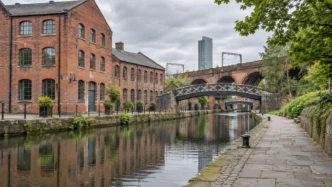
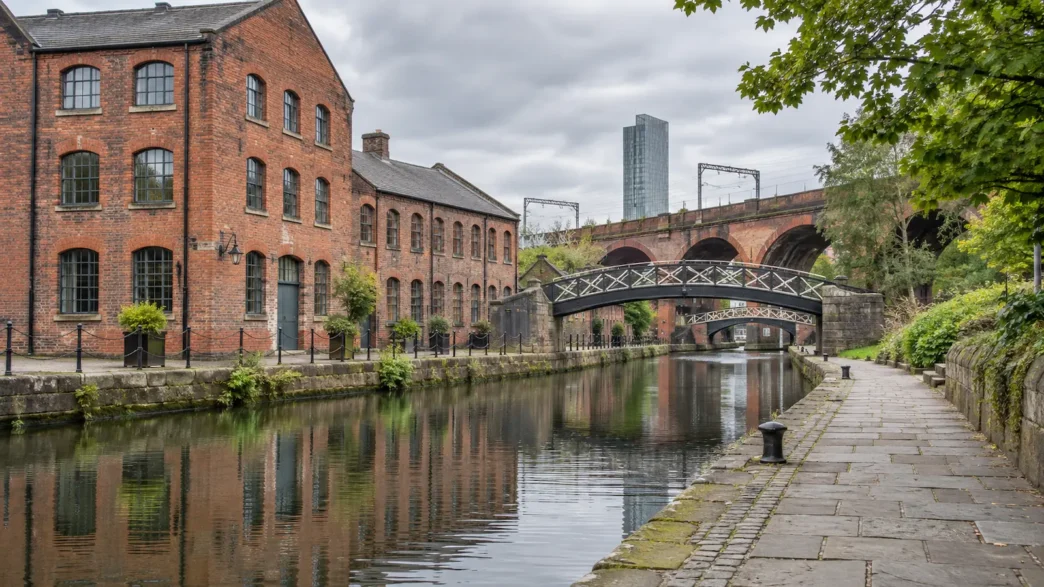
📍 Castlefield and Deansgate — Best for Canal Walks and Slower Evenings
Canals · railway arches · west-end museums
Castlefield is a good pick if you want central sights with a quieter walk home. Make one simple loop around the waterside, then use the upper streets for the rest of the day if it is wet. The Deansgate-Castlefield connection is useful when you have a specific tram or rail journey in mind.
This part of the city works well for the Science and Industry Museum side and for evenings around Deansgate. If you need Manchester Piccadilly the next morning, map the street-level walk or use a suitable free bus at operating hours. Towpaths can include narrow sections and uneven paving.
✅ What Other Travelers Say: The canals make a useful contrast to the busy core without putting all your meals or sightseeing a tram ride away.
⚠️ The Catch (Things to Keep in Mind): A canal-view address can involve slopes, stairs or a longer paved alternative. Check the street entrance if you use wheels or travel after dark.
📍 Salford Quays and MediaCity — Best for a Waterfront-Led Trip
Tram links · waterside venues · outside the central walking loop
Stay by the Quays when the waterfront, a work venue or Lowry’s galleries or theatres will genuinely fill the day. The open water and paths suit a family with time for breaks. Plot the exact hotel against the MediaCityUK or another appropriate tram stop rather than relying on a broad neighborhood pin.
For a sightseeing trip entirely in central Manchester, compare both tram journeys on real timings. This is a good area for separating late afternoons by the water from city time, and a less useful base for walking to different city-centre venues every evening.
✅ What Other Travelers Say: The Quays feel spacious for families and for trips with specific destinations on this side of Greater Manchester.
⚠️ The Catch (Things to Keep in Mind): Outdoor walks can be windy. If most dinners are in the core, check the last sensible connection before paying for a room here.
Key FAQs
Where should a first-time visitor stay in Manchester without a car? St Peter’s Square is a useful starting point for sights, trams and city-centre meals. Piccadilly is often easier if a train or airport connection controls your day.
Is the Northern Quarter or Ancoats quieter for a hotel? It depends on the block. A room facing a Northern Quarter bar street is more likely to be lively late. On an Ancoats main road, traffic can be the bigger issue. Confirm room orientation on your exact dates.
Is Salford Quays convenient for Manchester city centre? It is convenient by tram when the stop, timing and destination fit. The city centre is usually the easier base if most of your days and evenings are around the main galleries, markets and station.
Final Verdict and Your Next Step
Compare a room near St Peter’s Square, one practical address by Piccadilly and one quieter area you would enjoy after dinner. Then check the last 500 metres of each arrival and return. Use available rooms in Manchester and the Bee Network visitor guide to decide before a match, concert or convention pushes up the options you like.