
💡 Key Takeaways
- Best all-round choice: Shinjuku works best for most first-time visitors who want direct links across western Tokyo, late-night food, and easy day-trip departures—but only when the hotel is genuinely close to the south or west side of the station.
- Best for simpler luggage handling: Tokyo Station and Marunouchi cost more, but the area is hard to beat for Shinkansen trips, airport buses, polished streets, and avoiding awkward transfers with large suitcases.
- Most common booking mistake: Choosing a hotel that says “Shinjuku,” “Shibuya,” or “Tokyo Station area” without checking the exact station entrance. A short distance on a map can become a long underground walk with stairs and crowds.
- Better-value bases: Ueno and Ikebukuro generally offer stronger value than Shibuya or Marunouchi. Ueno is particularly useful for Narita arrivals and east-Tokyo sightseeing; Ikebukuro suits shoppers and travelers focused on western Tokyo.
- Best family compromise: Ginza is central, orderly, and easier to walk than Shinjuku or Shibuya, while Asakusa is calmer after dark and often better value—but Asakusa adds transfers for many west-side attractions.
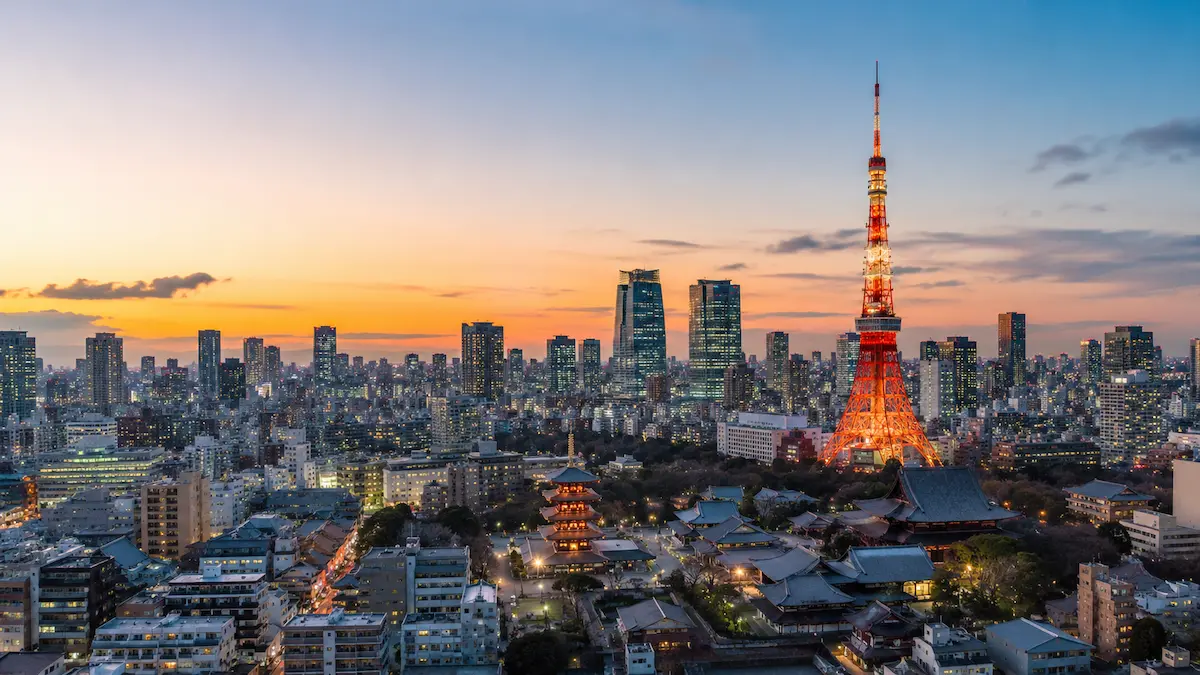
Deciding where to stay in Tokyo for first-time visitors is harder than choosing the most famous neighborhood. Tokyo is enormous, major sights are spread across both sides of the city, and two hotels that appear close on a map can produce completely different daily journeys.
A hotel advertised as a “five-minute walk from the station” may be five minutes for a fast commuter using the nearest staircase—not for a family with children, an older traveler, or anyone pulling two suitcases through a multi-level interchange. In stations such as Shinjuku, Shibuya, Ikebukuro, and Tokyo, the walk inside the station can be longer and more tiring than the outdoor walk to the hotel.
The other trap is assuming that the most famous district must be the best place to stay in Tokyo for tourists. Shibuya is exciting, but it is not the easiest base for every itinerary. Asakusa feels unmistakably Tokyo, but it is less efficient for repeated trips to Shinjuku, Harajuku, and Shibuya. Tokyo Station is superb for trains and luggage, yet the surrounding business district can feel quiet and expensive at night.
This guide compares the best areas to stay in Tokyo by the details that actually affect a trip: station layout, airport access, luggage handling, late-night meals, hotel value, family comfort, and how often you will need to cross the city.
The 1-Minute Cheat Sheet: Best Tokyo Areas Compared
Price indicators are relative rather than fixed room rates. Tokyo hotel prices change sharply by season, weekday, room occupancy, major events, cherry-blossom periods, autumn foliage weekends, and Japanese public holidays.
- Shinjuku
Best For: First trips, nightlife, Hakone and Fuji-area departures, broad rail coverage
Transport Advantage: JR, Tokyo Metro, Toei, Odakyu, Keio, and highway buses
Typical Hotel Price Level: $$–$$$
Airport Access: Narita Express and airport buses; Haneda usually requires a transfer or bus
Nightlife / Atmosphere: Busy, energetic, open late
Main Drawback: Huge station and a meaningful difference between east, west, and south sides
Overall Verdict: Best overall for active first-time visitors who choose the correct side of the station. - Shibuya
Best For: Couples, fashion, nightlife, Harajuku and Daikanyama
Transport Advantage: JR Yamanote, Saikyo and Shonan-Shinjuku lines, several Metro and private lines
Typical Hotel Price Level: $$$
Airport Access: Narita Express on selected services and airport buses; Haneda typically involves rail changes or bus
Nightlife / Atmosphere: Youthful, crowded, late-night dining and bars
Main Drawback: Expensive rooms, slopes, construction-era route changes, and a complex multi-level station
Overall Verdict: A strong lifestyle choice, but not the easiest or best-value base. - Tokyo Station / Marunouchi
Best For: Shinkansen trips, large luggage, business-class convenience, short stays
Transport Advantage: National rail hub, multiple JR lines, Marunouchi Line, intercity and airport buses
Typical Hotel Price Level: $$$–$$$$
Airport Access: Strong access to Narita Express, airport buses, and Haneda connections
Nightlife / Atmosphere: Polished and calm; less spontaneous late-night street life
Main Drawback: Premium hotel rates and long internal walks, especially toward the Keiyo Line
Overall Verdict: The easiest logistics base when budget matters less than time and luggage comfort. - Ginza
Best For: Couples, families, shopping, dining, cleaner and calmer streets
Transport Advantage: Ginza, Marunouchi, Hibiya, Yurakucho, and nearby Asakusa Line access depending on the hotel
Typical Hotel Price Level: $$–$$$$
Airport Access: Higashi-Ginza can be useful for Asakusa Line airport connections; buses vary by hotel
Nightlife / Atmosphere: Refined restaurants and bars rather than club-heavy nightlife
Main Drawback: The word “Ginza” covers several stations, and luxury shopping does not guarantee a short station walk
Overall Verdict: A highly practical central base for travelers who prefer order over chaos. - Ueno
Best For: Budget-conscious travelers, museums, Narita access, families visiting east Tokyo
Transport Advantage: JR lines, northern Shinkansen services, Ginza and Hibiya Metro lines; Keisei Ueno nearby
Typical Hotel Price Level: $–$$
Airport Access: Excellent for Narita via Keisei; Haneda usually requires a transfer
Nightlife / Atmosphere: Casual, lively around Ameyoko, quieter near the park
Main Drawback: Less convenient for repeated evenings in Shibuya and Shinjuku
Overall Verdict: One of the smartest value bases for a first Tokyo trip. - Asakusa
Best For: Traditional atmosphere, calmer evenings, budget stays, first-night cultural impact
Transport Advantage: Ginza Line, Toei Asakusa Line, Tobu lines, and Tsukuba Express—but at separate station locations
Typical Hotel Price Level: $–$$$
Airport Access: Some Toei Asakusa Line services connect toward Haneda or Narita, depending on train pattern and time
Nightlife / Atmosphere: Busy by day, generally quieter after dinner
Main Drawback: Multiple “Asakusa” stations and slower journeys to western Tokyo
Overall Verdict: Excellent for atmosphere and value, less ideal for a west-heavy itinerary. - Ikebukuro
Best For: Shopping, anime culture, larger hotel choice, western Tokyo value
Transport Advantage: JR, three Metro lines, Seibu and Tobu private railways
Typical Hotel Price Level: $–$$
Airport Access: Airport buses and rail routes are available, though generally less direct than Ueno for Narita
Nightlife / Atmosphere: Busy commercial streets, casual dining, entertainment
Main Drawback: Confusing east-west orientation and a less central feel for east-Tokyo sightseeing
Overall Verdict: Better value than Shinjuku or Shibuya if your plans lean west.
Top Survival Tips Before Choosing Where to Stay in Tokyo
- Do not judge a hotel by the straight-line distance to a station. Railway tracks, elevated roads, underground malls, pedestrian bridges, and limited crossings can turn a short map distance into a tiring route. Use a walking map and inspect the actual entrance you will use.
- Check the station exit—not just the station name. “Near Shinjuku Station” is too vague. A hotel near the South Exit behaves like a different base from one north of Kabukicho or deep in Nishi-Shinjuku. The same applies to Shibuya’s Hachiko, east, new south, and Mark City sides.
- Assume large stations involve extra walking. Shinjuku, Tokyo, Shibuya, and Ikebukuro are transport districts, not single-door buildings. Add a buffer for finding the right gate, crossing levels, and reaching a lift.
- Avoid difficult transfers with luggage. A route with one direct train and a slightly longer outdoor walk is often easier than two short trains linked by stairs and crowded corridors. This matters most after a long flight and during commuter hours.
- Understand the operators. JR is useful for the Yamanote loop, Chuo corridor, airport and regional services. Tokyo Metro and Toei Subway are separate networks, while private railways such as Odakyu, Keio, Seibu, Tobu, Tokyu, and Keisei often serve specific suburbs, airports, or day-trip directions. The best station is the one matching your itinerary—not automatically the largest.
- Choose east or west based on where you will spend your days. Ueno, Asakusa, Tokyo Station, Ginza, Akihabara, and Tsukiji group naturally in the east and center. Shinjuku, Shibuya, Harajuku, Ikebukuro, Nakano, and Kichijoji favor the west. Crossing Tokyo once is normal; doing it twice every day wastes time.
- Let your arrival airport influence the decision, but not dominate the whole trip. Ueno is especially convenient from Narita, while Shinagawa and central areas can be useful from Haneda. A direct airport journey is valuable, but not if it creates inconvenient sightseeing commutes for the next six days.
- Check whether airport access is truly direct on your travel date. Train patterns, stopping stations, through-services, and airport bus timetables vary. Reconfirm official schedules shortly before travel rather than relying on an old blog post.
- Expect price spikes. Friday and Saturday nights, cherry-blossom season, autumn weekends, school holidays, year-end periods, concerts, trade shows, and Japanese public holidays can change the value ranking of neighborhoods. A normally affordable Ueno hotel can cost more than a Ginza deal on a different date.
- Treat neighborhood labels as marketing, not precise geography. A hotel sold as “Tokyo Station area” may be closer to Kyobashi, Nihonbashi, Hatchobori, or Kanda. That can still be a good location, but it may not deliver the station convenience you expected.
- Test the walking route for your group. Look for lifts, wide pavements, covered routes, road crossings, and slopes. A route suitable for a solo backpacker may be miserable with a stroller, wheelchair, elderly parent, or hard-shell luggage.
- Do not overpay merely to be beside the Yamanote Line. A hotel beside a useful Metro station can be faster for your actual attractions. Ginza, Higashi-Ginza, Shinjuku-sanchome, and Asakusa demonstrate why line choice matters more than railway branding.
The Full Experience: Best Areas to Stay in Tokyo for First-Time Visitors
📍 Shinjuku: Best for Transport Coverage and Late-Night Convenience
Best for first-timers|Major transport hub|Late-night dining|Day-trip departures|Busy and confusing
What It Feels Like
Shinjuku is several neighborhoods compressed around one giant station. The west side is dominated by offices, large hotels, and broad roads. The south side is cleaner and more manageable for many visitors. The east side leads toward department stores, Kabukicho, Golden Gai, and dense nightlife. This variety is exactly why Shinjuku works so well—and why careless hotel selection causes problems.
Why It Works for First-Time Visitors
Shinjuku gives you flexible access to western Tokyo without making east-side sightseeing difficult. Shibuya, Harajuku, Ikebukuro, Nakano, and central Tokyo are all straightforward by rail. It is also a practical starting point for Hakone via Odakyu, Mount Takao via Keio, and many Fuji-area or regional bus departures from the Shinjuku Expressway Bus Terminal.
Transport and Station Convenience
JR, Tokyo Metro, Toei Subway, Odakyu, Keio, and bus services make Shinjuku one of Tokyo’s most connected bases. That does not mean every hotel is convenient. A hotel south of the station may be excellent for JR and the bus terminal but less handy for Kabukicho. A hotel in far Nishi-Shinjuku may be closer to Tochomae or Nishi-shinjuku Station than to the JR platforms.
For most first-time visitors with luggage, the south and southwest sides are easier to understand than the densest part of the east side. Before booking, identify one primary station entrance and one backup lift route.
Best Nearby Attractions
Shinjuku Gyoen, the Tokyo Metropolitan Government Building area, department-store food halls, Omoide Yokocho, Golden Gai, and Kabukicho are nearby. Harajuku and Shibuya are quick rail trips, while the Chuo Line gives useful access toward Tokyo Station and western districts.
Food, Shopping and Nightlife
This is one of Tokyo’s easiest neighborhoods for late meals. You can find department-store restaurants, ramen, izakaya, convenience stores, bars, and casual chains across a wide price range. The east side is louder and more nightlife-heavy; the west side is more businesslike and calmer after office hours.
Typical Hotel Price Level
$$–$$$. Shinjuku has a huge hotel inventory, but genuinely station-adjacent rooms command a premium. Hotels that look cheaper are often farther north, deeper west, or closer to another station.
Airport Access
Narita Express services connect Narita Airport with Shinjuku on relevant schedules, and airport limousine buses serve selected hotels and transport points. From Haneda, buses can be convenient; rail trips commonly involve a transfer. Always check the current official timetable for your flight time.
Who Should Stay Here
First-time visitors with busy sightseeing plans, travelers who enjoy evenings out, solo travelers who want meals at almost any hour, and anyone planning Hakone, Fuji-area, or west-Tokyo day trips.
Who Should Avoid It
Travelers who dislike crowds, families seeking quiet pavements, light sleepers booking near nightlife streets, and anyone who becomes stressed by complex stations. A quieter neighborhood with a simpler station may save more energy than Shinjuku saves minutes.
Best Micro-Areas or Station Sides to Target
Look around the South Exit, Koshu-kaido side, or the southwest corridor toward Yoyogi for a more manageable arrival. The west side suits larger full-service hotels and airport buses. Choose the east side only when nightlife is a priority and verify how far the hotel sits beyond the station.
Locations That Look Convenient but Are Not
Far Nishi-Shinjuku can require a substantial walk to JR lines. Hotels north of Kabukicho may be closer to Shin-Okubo, Seibu-Shinjuku, or Higashi-shinjuku than to the platforms you expected. “Shinjuku area” should never be accepted without checking the exact route.
✅ What Other Travelers Say
Travelers often appreciate the ability to reach many parts of Tokyo without complicated planning, the large choice of restaurants, and the convenience of returning late without worrying that the neighborhood has shut down. Hotels near the south side are frequently praised for easier station access.
⚠️ The Catch (Things to Keep in Mind)
The station is large enough to make a technically nearby hotel feel far away. East-side nightlife can be noisy and visually overwhelming, while some west-side hotels require long outdoor walks. Do not choose Shinjuku merely because it is famous; choose a specific side that matches your trains.
Editor’s Verdict: Shinjuku is the strongest all-round base for an active first Tokyo visit, but only when the hotel is correctly positioned. For the least stressful stay, target the south or southwest side rather than an address that merely contains “Shinjuku.”
📍 Shibuya: Best for Couples, Fashion, Nightlife and West-Tokyo Energy
Best for couples|Fashion and nightlife|Direct west-side links|Slopes and crowds|Premium prices
What It Feels Like
Shibuya is bright, crowded, youthful, and constantly moving. Around the scramble crossing and Dogenzaka, the atmosphere is dense and energetic. The east and south sides around Shibuya Stream feel more modern and organized. Walk farther toward Daikanyama, Ebisu, Aoyama, or Cat Street and the pace softens.
Why It Works for First-Time Visitors
It places you beside Shibuya Crossing, department stores, fashion streets, nightlife, and easy access to Harajuku. Multiple railways connect Shibuya with Shinjuku, Yokohama, Daikanyama, Futako-Tamagawa, and central Tokyo. Travelers who prefer evenings out often enjoy being able to walk back rather than catch a final train.
Transport and Station Convenience
Shibuya serves JR lines, Tokyo Metro, Tokyu railways, and the Keio Inokashira Line. The challenge is vertical movement: platforms and exits occupy different levels, and a route that is simple on paper may involve escalators, corridors, and a long walk. Hotels linked to Shibuya Stream or Mark City reduce weather exposure, but each favors different lines.
Best Nearby Attractions
Shibuya Crossing, Shibuya Sky, Hachiko, Miyashita Park, Cat Street, Harajuku, Omotesando, Daikanyama, and Ebisu are nearby or easily reached.
Food, Shopping and Nightlife
Shibuya excels at casual dining, bars, music venues, fashion retail, department stores, and late-night entertainment. Dogenzaka and Center-gai are busier and louder; the east side and Sakuragaoka can feel more composed.
Typical Hotel Price Level
$$$. Space is expensive, and station-linked hotels often cost substantially more than comparable rooms in Ueno or Ikebukuro. Small room size is common at lower price points.
Airport Access
Selected Narita Express services and airport buses can provide useful Narita access. Haneda trips are possible by rail or bus, but may involve changes depending on the route. Airport convenience varies significantly by hotel side.
Who Should Stay Here
Couples, nightlife-focused travelers, shoppers, repeat visitors, and first-timers whose itinerary concentrates on Harajuku, Shinjuku, Daikanyama, Ebisu, and western Tokyo.
Who Should Avoid It
Travelers prioritizing value, families wanting calm pavements, people with limited mobility who have not checked slopes and station lifts, and visitors spending most days in Asakusa, Ueno, or the Disney area.
Best Micro-Areas or Station Sides to Target
The east and new south sides work well for Shibuya Stream, Ebisu, and a somewhat calmer arrival. Mark City is useful for the Inokashira Line and airport-bus access where scheduled. The Hachiko side is the most atmospheric but also the most crowded.
Locations That Look Convenient but Are Not
Hotels up Dogenzaka or on steep side streets can be tiring with luggage. Properties marketed as Shibuya may sit closer to Ebisu, Harajuku, or Aoyama than to the station. Check elevation and station side, not just distance.
✅ What Other Travelers Say
Travelers often love stepping directly into Shibuya’s food, shopping, and nightlife, especially when staying in station-connected properties. Couples and younger visitors commonly value the atmosphere more than the room size.
⚠️ The Catch (Things to Keep in Mind)
Shibuya is expensive, busy, and not automatically simple. The station has improved, but first-time visitors can still lose time between operators and levels. Weekend crowds, hills, and small hotel rooms are the price of staying at the center of the action.
Editor’s Verdict: Choose Shibuya for lifestyle, not purely for transport efficiency. Target a station-connected hotel on the east, new south, or Mark City side and avoid paying a premium for a distant address on a steep hill.
📍 Tokyo Station / Marunouchi: Best for Shinkansen, Large Luggage and Short Stays
Best for luggage|Shinkansen hub|Airport buses|Premium and polished|Quiet late evenings
What It Feels Like
Marunouchi is orderly, spacious, and businesslike, with broad streets between Tokyo Station and the Imperial Palace. The Yaesu side is more commercial and practical, with restaurants, bus terminals, and access toward Nihonbashi and Kyobashi. Inside Tokyo Station, however, the scale is enormous.
Why It Works for First-Time Visitors
This is the strongest base for travelers combining Tokyo with Kyoto, Osaka, Kanazawa, Tohoku, or other Shinkansen destinations. It also reduces the stress of early trains and makes it easier to leave luggage before or after a regional trip. Ginza, Nihonbashi, the Imperial Palace area, and central business districts are close.
Transport and Station Convenience
Tokyo Station serves multiple JR lines and Shinkansen services, while the Marunouchi Line provides subway access. Otemachi, Nihombashi, Kyobashi, and Ginza-itchome stations may be useful depending on the hotel. The key caution is the Keiyo Line: its platforms are a long internal walk from much of the station, so “staying at Tokyo Station for Disney” is not always as effortless as it sounds.
Best Nearby Attractions
The Marunouchi red-brick station building, Imperial Palace outer gardens, KITTE, Nihonbashi, department stores, Ginza, and museum or dining complexes around Marunouchi are nearby.
Food, Shopping and Nightlife
The station and surrounding buildings contain extensive dining, from quick breakfasts and ramen to polished restaurants. Marunouchi quiets after office hours, while Yaesu and nearby Yurakucho feel more casual and active. This is not the best base for clubbing or spontaneous late-night bar hopping.
Typical Hotel Price Level
$$$–$$$$. True station-adjacent hotels are expensive. Better-value options appear around Kyobashi, Nihonbashi, Hatchobori, Kanda, and Otemachi, but the walking route must be checked carefully.
Airport Access
Narita Express services, airport buses, and several rail combinations make Tokyo Station practical for Narita. Haneda is reachable by rail through central connections or by airport bus, depending on time and terminal. The Yaesu side is particularly relevant for many bus services.
Who Should Stay Here
Travelers with large luggage, short-stay visitors, rail-pass itineraries, families taking the Shinkansen, business travelers, and anyone prioritizing smooth arrival and departure over nightlife.
Who Should Avoid It
Budget travelers, nightlife seekers, and visitors spending most of their time in Shinjuku, Shibuya, or Kichijoji. Paying a large premium here makes little sense when you have no intercity rail plans.
Best Micro-Areas or Station Sides to Target
Marunouchi is best for the Imperial Palace side and premium hotels. Yaesu is convenient for buses, casual food, and access toward Kyobashi. Nihonbashi and Otemachi can offer better value while preserving excellent central transport.
Locations That Look Convenient but Are Not
Some “Tokyo Station” hotels are closer to Hatchobori, Kanda, Kayabacho, or Takaracho. These can be sensible choices, but they do not deliver a two-minute suitcase roll to the Shinkansen. Verify the exact entrance and whether the route is above or below ground.
✅ What Other Travelers Say
Travelers frequently praise the time saved on intercity travel, the quality of station dining, and the ease of storing or moving luggage. Families often value the cleaner, calmer streets compared with Shinjuku and Shibuya.
⚠️ The Catch (Things to Keep in Mind)
The station itself is a destination-sized complex. Reaching the wrong side can take time, and the Keiyo Line walk surprises many visitors. Hotel prices are high, and the area can feel subdued late at night.
Editor’s Verdict: Tokyo Station is the best logistics-first choice. Book it when you have Shinkansen plans, large luggage, or a short itinerary; otherwise, Ginza or Ueno may provide a better balance of cost and atmosphere.
📍 Ginza: Best Central Base for Couples, Families and Easier Walking
Central and orderly|Excellent dining|Family-friendly streets|Multiple subway stations|Can be expensive
What It Feels Like
Ginza is polished without being lifeless. Main avenues are wide, backstreets hold restaurants and bars, and the district is more navigable than Tokyo’s largest rail hubs. It feels calmer than Shibuya and less confusing than Shinjuku, particularly for couples, older travelers, and families.
Why It Works for First-Time Visitors
Ginza sits between Tokyo Station, Tsukiji, Yurakucho, Shimbashi, and the Imperial Palace area. It provides a central base for both east and west Tokyo without forcing you to sleep inside a giant transport hub. The district is also useful for travelers who value dining and shopping after sightseeing.
Transport and Station Convenience
Ginza Station serves the Ginza, Marunouchi, and Hibiya lines. Ginza-itchome, Higashi-Ginza, Yurakucho, and Shimbashi may be more convenient for particular hotels. This is both an advantage and a trap: a property advertised as Ginza may be easy for one line and inconvenient for another.
Best Nearby Attractions
Ginza’s department stores and galleries, Kabukiza, Tsukiji Outer Market, Yurakucho dining lanes, Hibiya Park, Tokyo Station, and the Imperial Palace area are nearby.
Food, Shopping and Nightlife
Ginza offers department-store food halls, sushi, cafés, cocktail bars, small bistros, and luxury dining. It is better for refined evenings than loud nightlife. Budget meals still exist, particularly toward Yurakucho, Shimbashi, and side streets.
Typical Hotel Price Level
$$–$$$$. Luxury is prominent, but compact business hotels and mid-range chains can offer surprisingly competitive rates outside peak dates.
Airport Access
Higashi-Ginza’s Toei Asakusa Line can be useful for airport-direction services, though not every train is direct. Airport buses serve selected hotels and nearby transport points. Reconfirm the correct service for your terminal and departure time.
Who Should Stay Here
Couples, families, mature travelers, shoppers, food-focused visitors, and anyone seeking a central neighborhood with simpler streets and less nightlife noise.
Who Should Avoid It
Travelers who want clubs outside the door, strict budget travelers during premium dates, and visitors whose itinerary is overwhelmingly focused on Shinjuku, Shibuya, and western suburbs.
Best Micro-Areas or Station Sides to Target
Near Ginza Station is best for broad subway coverage. Higashi-Ginza suits Kabukiza, Tsukiji, and possible airport-direction trains. Yurakucho adds JR access and more casual dining. Kyobashi works well for Tokyo Station and may be quieter.
Locations That Look Convenient but Are Not
Far southern Ginza can be closer to Shimbashi; northern addresses may be closer to Ginza-itchome or Kyobashi. This is not necessarily bad, but it changes the best line and the airport route.
✅ What Other Travelers Say
Travelers often praise Ginza’s cleanliness, central position, high-quality dining, and the ability to walk comfortably at night. Families and couples frequently prefer it to the intensity of Shinjuku or Shibuya.
⚠️ The Catch (Things to Keep in Mind)
Hotel names can use “Ginza” broadly, and luxury retail can make the district look more expensive than it really is. Restaurants range from affordable to extremely costly, so do not assume every nearby meal fits your budget.
Editor’s Verdict: Ginza is the best balanced central base for travelers who want convenience without chaos. Target Ginza, Higashi-Ginza, or Yurakucho according to the lines you will actually use.
📍 Ueno: Best Value for Narita Access, Museums and East Tokyo
Best value|Excellent Narita access|Museums and park|Casual food|Farther from west-Tokyo nights
What It Feels Like
Ueno changes character within a few blocks. The park side is spacious and cultural, with museums and greenery. The Ameyoko and Okachimachi side is louder, denser, and filled with casual food, shopping, and izakaya. East of the station, hotel streets can feel calmer and more residential.
Why It Works for First-Time Visitors
Ueno combines practical transport with better hotel value than Shibuya or Tokyo Station. It is excellent for Asakusa, Akihabara, Tokyo Station, museums, and day trips north. Keisei Ueno gives one of the most convenient Narita arrival options.
Transport and Station Convenience
JR services, Tokyo Metro’s Ginza and Hibiya lines, northern Shinkansen routes, and nearby Keisei Ueno provide broad coverage. JR Ueno and Keisei Ueno are separate stations, so check the walking route. Hotels east of JR Ueno may be convenient for Metro access but less direct for Keisei luggage transfers.
Best Nearby Attractions
Ueno Park, Tokyo National Museum, National Museum of Nature and Science, Ameyoko, Yanaka, Nezu, Asakusa, and Akihabara are nearby or easy to reach.
Food, Shopping and Nightlife
Ameyoko offers casual food, market-style shopping, and lively evening streets. Okachimachi adds restaurants and retail. The park side is quieter and less useful for late-night meals once museums close.
Typical Hotel Price Level
$–$$. Ueno often delivers better room value, although prices rise sharply during cherry-blossom season and holidays.
Airport Access
Keisei services make Ueno one of the strongest bases for Narita Airport. Haneda usually requires a transfer, commonly through central or eastern connections. Confirm which Ueno station your route uses before arrival.
Who Should Stay Here
Budget-conscious first-timers, museum lovers, families visiting east Tokyo, Narita arrivals, and travelers planning day trips toward northern Japan.
Who Should Avoid It
Nightlife-focused visitors who expect to return from Shibuya or Shinjuku every night, and travelers who want luxury shopping directly outside the hotel.
Best Micro-Areas or Station Sides to Target
Near the Asakusa Exit or east side is practical for many hotels and Metro lines. The park side is quieter and best for museums. Okachimachi works well for food and shopping, while Keisei Ueno proximity matters most for Narita luggage.
Locations That Look Convenient but Are Not
Hotels described as Ueno may be closer to Inaricho, Iriya, Uguisudani, or Naka-okachimachi. These stations can be useful, but they may add a suitcase walk to JR or Keisei services.
✅ What Other Travelers Say
Travelers often praise Ueno for affordable meals, convenient Narita access, museum days, and a less polished but more relaxed atmosphere than central business districts.
⚠️ The Catch (Things to Keep in Mind)
The busiest Ameyoko streets can feel crowded and rougher around the edges than Ginza. East-west station crossings take time, and repeated trips to Shibuya can become tedious.
Editor’s Verdict: Ueno is the smartest budget-to-convenience compromise for many first-time visitors, especially when arriving at Narita. Choose Keisei proximity for airport ease or the east side for broader hotel value.
📍 Asakusa: Best for Traditional Atmosphere and Calmer Evenings
Traditional streets|Budget-friendly options|Calmer nights|Multiple Asakusa stations|West-Tokyo transfers
What It Feels Like
Asakusa is busiest around Senso-ji and Nakamise during the day, then becomes noticeably calmer after many shops close. The area provides a stronger sense of old downtown Tokyo than Shinjuku or Shibuya, with smaller streets, casual restaurants, and views toward Tokyo Skytree.
Why It Works for First-Time Visitors
It gives immediate access to Senso-ji, Sumida River walks, Kappabashi, and eastern Tokyo. Hotel rates can be reasonable, and evenings are less intense than Tokyo’s western entertainment districts. For travelers who want atmosphere rather than nightlife, Asakusa is an appealing first base.
Transport and Station Convenience
The crucial fact is that Asakusa has separate stations for Tokyo Metro Ginza Line, Toei Asakusa Line, Tobu Railway, and Tsukuba Express. They are not interchangeable for luggage. A hotel near Tsukuba Express may be convenient for Senso-ji but less convenient for the Toei line toward airport directions.
Best Nearby Attractions
Senso-ji, Nakamise, Kappabashi kitchenware street, Sumida River, Tokyo Skytree, Kuramae, Ueno, and Ryogoku are nearby.
Food, Shopping and Nightlife
Asakusa offers tempura, soba, casual izakaya, sweets, cafés, and traditional shops. The immediate tourist streets can close earlier than expected. For a wider late-night choice, check the area west of Senso-ji or toward Tawaramachi and Kuramae.
Typical Hotel Price Level
$–$$$. There are hostels, compact business hotels, family-friendly mid-range properties, and a smaller number of premium view hotels.
Airport Access
The Toei Asakusa Line is useful for airport-direction through-services, but not every train operates directly to the airport. The correct platform, service type, and station location matter. Travelers using Narita may also choose a transfer to Keisei services.
Who Should Stay Here
Culture-focused travelers, families who prefer calmer evenings, budget visitors, photographers, and travelers spending substantial time in Ueno, Skytree, Akihabara, or eastern Tokyo.
Who Should Avoid It
Visitors planning repeated late nights in Shibuya and Shinjuku, travelers who dislike transfers, and shoppers focused on western fashion districts.
Best Micro-Areas or Station Sides to Target
Near the Ginza and Toei Asakusa Line stations is best for city transport. Near Senso-ji or Tsukuba Express is best for atmosphere and Kappabashi. Kuramae is quieter and design-oriented, while Tawaramachi can offer useful value on the Ginza Line.
Locations That Look Convenient but Are Not
A hotel beside “Asakusa Station” may be beside the wrong operator for your plans. Properties far north of Senso-ji can involve long walks to the Ginza or Toei lines. Confirm the operator name every time.
✅ What Other Travelers Say
Travelers often appreciate the early-morning access to Senso-ji, the quieter nighttime atmosphere, river views, and more relaxed hotel pricing. Families commonly enjoy the lower-intensity evenings.
⚠️ The Catch (Things to Keep in Mind)
The tourist core becomes crowded in daytime and quiet relatively early. West-Tokyo journeys take longer, and the multiple stations cause avoidable luggage mistakes.
Editor’s Verdict: Asakusa is ideal when atmosphere, value, and calm evenings matter more than west-side speed. Book near the Ginza or Toei Asakusa Line unless you have a clear reason to favor Tsukuba Express.
📍 Ikebukuro: Best for Shopping, Anime Culture and Western Tokyo Value
Strong value|Major transport hub|Shopping and anime|East-west confusion|Less convenient for old Tokyo
What It Feels Like
Ikebukuro is a major commercial center rather than a postcard district. Around the east side, department stores, electronics, Sunshine City, cinemas, and anime-focused shops dominate. The west side has theaters, restaurants, hotels, and a more local evening feel.
Why It Works for First-Time Visitors
It offers much of Shinjuku’s transport convenience with generally better hotel value. Shinjuku and Shibuya are straightforward, while Seibu and Tobu lines open up western and northwestern day-trip possibilities. Families can use Sunshine City as an easy indoor day.
Transport and Station Convenience
Ikebukuro serves JR lines, Tokyo Metro Marunouchi, Yurakucho, and Fukutoshin lines, plus Seibu and Tobu railways. The station is large, but its east-west logic becomes manageable once learned. Remember the famous orientation trap: Seibu is on the east side and Tobu is on the west side.
Best Nearby Attractions
Sunshine City, Pokémon Center MEGA TOKYO, Otome Road, Tokyo Metropolitan Theatre, department stores, and easy rail access to Shinjuku and Shibuya.
Food, Shopping and Nightlife
Ikebukuro is strong for affordable restaurants, department-store food halls, casual izakaya, Chinese food, cafés, and entertainment. It is lively without feeling as tourist-centered as Shibuya.
Typical Hotel Price Level
$–$$. Value is often stronger than Shinjuku, although hotels beside the most convenient exits still charge a premium.
Airport Access
Airport buses and train combinations serve both airports, but Ueno is usually more straightforward for Narita. For Haneda, rail or bus routes commonly require more time than from southern Tokyo.
Who Should Stay Here
Anime and shopping fans, value-conscious travelers, families interested in Sunshine City, and visitors concentrating on Shinjuku, Shibuya, Nakano, or western Tokyo.
Who Should Avoid It
Travelers whose itinerary centers on Asakusa, Tokyo Station, Ginza, and Disney, or anyone who wants a scenic neighborhood immediately outside the hotel.
Best Micro-Areas or Station Sides to Target
The west and southwest sides are useful for Hotel Metropolitan and a calmer arrival. The east side is best for Seibu, Sunshine City, shopping, and entertainment. Choose one side and avoid crossing the entire station with luggage.
Locations That Look Convenient but Are Not
Hotels near Sunshine City can be farther from JR platforms than expected. Northern addresses may sit in nightlife streets or closer to Kita-ikebukuro. Check whether the nearest entrance is practical after the subway closes.
✅ What Other Travelers Say
Travelers often appreciate the lower prices, abundant restaurants, shopping convenience, and quick rail access to Shinjuku. Anime fans value having major stores within walking distance.
⚠️ The Catch (Things to Keep in Mind)
The station is still large, and east-west mistakes are common. The district is practical rather than traditionally scenic, and east-Tokyo sightseeing requires longer journeys.
Editor’s Verdict: Ikebukuro is the value alternative to Shinjuku for a west-focused itinerary. Stay close to the west/southwest exits for calmer logistics or the east exit for Sunshine City and shopping.
Which Tokyo Area Should You Choose?
- Best area for first-time visitors: Shinjuku, provided the hotel is near the south or southwest side. It offers the broadest balance of sightseeing, evening food, and day-trip transport.
- Best area for couples: Ginza for polished dining and easier walking; choose Shibuya instead when nightlife and fashion matter more than quiet.
- Best area for families with children: Ginza for centrality and calmer streets, or Ueno for museums, the park, and better value. Avoid nightlife-heavy hotel blocks.
- Best area for nightlife: Shinjuku for variety and late-night food; Shibuya for a younger bar, music, and club scene.
- Best area for shopping: Shibuya for fashion, Ginza for luxury and department stores, and Ikebukuro for large-scale shopping and anime retail.
- Best area for budget travelers: Ueno is the most balanced budget choice. Asakusa can be cheaper, but its transport is less convenient for west-heavy plans.
- Best area for food lovers: Ginza for high-quality variety and access to Yurakucho, Tsukiji, and Shimbashi. Shinjuku is better for late-night breadth and casual options.
- Best area for Disney day trips: Tokyo Station, Hatchobori, or the eastern central corridor. Check the exact walk to the Keiyo Line; being “near Tokyo Station” does not guarantee a short route to those platforms.
- Best area for Mount Fuji or Hakone day trips: Shinjuku, because many Odakyu, Keio-area, and highway-bus departures start there. Confirm your specific tour meeting point before booking.
- Best area for easy Narita Airport access: Ueno for Keisei services, or Tokyo Station for Narita Express and airport buses.
- Best area for easy Haneda Airport access: Ginza/Higashi-Ginza can work well via the Asakusa Line direction, while Tokyo Station has useful bus and rail options. Shinagawa is even more airport-focused but less central for some sightseeing plans.
- Best area for travelers with large luggage: Tokyo Station/Marunouchi, especially when using the Shinkansen. Choose a hotel with a documented covered or lift-accessible route.
- Best area for older travelers or limited mobility: Ginza for flatter, more orderly streets, or Tokyo Station/Marunouchi when the hotel is directly connected. Avoid assuming every subway exit has a convenient lift.
- Best area for a quiet stay: Marunouchi at night, the park side of Ueno, or quieter streets near Asakusa/Kuramae. Check for nearby bars, elevated railways, and major roads.
Shinjuku vs Shibuya vs Tokyo Station: Which Is Better?
| Factor | Shinjuku | Shibuya | Tokyo Station |
|---|---|---|---|
| Transport coverage | Best overall for west Tokyo and day trips | Excellent for western and southern neighborhoods | Best for central Tokyo and intercity rail |
| Station complexity | Very high | High and multi-level | Very high, with long platform walks |
| Popular sightseeing | Balanced access across the city | Best for Harajuku, Ebisu, Daikanyama | Best for Ginza, Imperial Palace, Nihonbashi |
| Nightlife | Broadest choice | Younger and trendier | Limited late-night street atmosphere |
| Dining | Huge range and open late | Strong casual and fashionable dining | Excellent station and business-district dining |
| Hotel price | Mid-range to expensive | Usually expensive for room size | Most expensive near the station |
| Airport access | Good buses and Narita Express options | Useful buses and selected rail services | Strong Narita and airport-bus options |
| Large luggage | Manageable only with correct station side | Harder because of levels, crowds, and slopes | Best when hotel is truly station-adjacent |
| Families | Good on south/west side; avoid loud nightlife blocks | Exciting but crowded and expensive | Calm and convenient but costly |
| First-time suitability | Best overall | Best for lifestyle-focused travelers | Best for logistics-focused travelers |
The clear winner for most first-time visitors is Shinjuku because it balances transport, sightseeing, dining, and day trips. Tokyo Station wins when luggage and intercity trains are the priority. Shibuya wins only when its atmosphere, shopping, and nightlife are central to the trip—not because it is objectively easier.
East Tokyo vs West Tokyo: The Simple Way to Decide
Choose east or central Tokyo—Ueno, Asakusa, Tokyo Station, or Ginza—when your plans emphasize Senso-ji, Ueno museums, Akihabara, Tokyo Skytree, Tsukiji, Ginza, the Imperial Palace, or Narita access. East-side hotels often provide better value and calmer evenings, particularly in Ueno and Asakusa.
Choose west Tokyo—Shinjuku, Shibuya, or Ikebukuro—when your itinerary emphasizes Harajuku, Omotesando, nightlife, fashion, Nakano, Kichijoji, Mount Takao, Hakone, or Fuji-area bus departures. The west is usually more energetic at night but can be more crowded and expensive.
For a balanced first trip of five to seven nights, the best strategy is not to chase the geographic center. Choose the side where most of your full days are concentrated. A traveler with four west-side days and two east-side days should stay west rather than force a “central” compromise.
Recommended Hotels in Each Tokyo Area
These properties were selected for location and representative travel styles. Availability, room type, inclusions, and prices change by date; verify the exact branch and booking conditions before paying.
Shinjuku
- Best Near the South Exit: JR Kyushu Hotel Blossom Shinjuku — A practical choice for travelers who want a short, relatively straightforward route from the south side of JR Shinjuku Station.
- Best Full-Service Alternative: Hotel Century Southern Tower — Well positioned near the southern side and useful for travelers who prefer a calmer setting than Kabukicho.
Shibuya
- Best for the East / New South Side: SHIBUYA STREAM HOTEL — Direct connections around Shibuya Stream reduce outdoor walking and work well for Ebisu and the station’s southern side.
- Best for Scramble Crossing Access: Shibuya Excel Hotel Tokyu — Located in Shibuya Mark City and especially convenient for travelers prioritizing the Hachiko, Dogenzaka, and Inokashira Line side.
Tokyo Station / Marunouchi
- Best for Rail Convenience: Hotel Metropolitan Tokyo Marunouchi — A strong option for travelers who want direct access around the station’s northeast side and easy Shinkansen logistics.
- Best Premium Pick: The Tokyo Station Hotel — Built into the Marunouchi station building and best suited to travelers willing to pay for location, history, and minimal departure stress.
Ginza
- Best Mid-Range View Hotel: Mitsui Garden Hotel Ginza Premier — Positioned toward the Shimbashi side of Ginza, with convenient access to dining and several transport options.
- Best Design Pick: MUJI HOTEL GINZA — A central Ginza stay for travelers who value design, shopping, and walkable access to Yurakucho and Tokyo Station.
Ueno
- Best Practical Pick: Mitsui Garden Hotel Ueno — A convenient base near Ueno transport, especially useful for first-time visitors balancing museums, Asakusa, and airport access.
- Best Boutique Pick: NOHGA HOTEL UENO TOKYO — Suits travelers who want a more design-conscious stay on the quieter east side of Ueno.
Asakusa
- Best View and Location Pick: THE GATE HOTEL KAMINARIMON by HULIC — Well placed for Kaminarimon and central Asakusa, with a more polished atmosphere than many compact business hotels.
- Best Transport-Oriented Pick: Asakusa Tobu Hotel — Useful for travelers who want to stay close to the Tobu and central Asakusa transport area.
Ikebukuro
- Best West-Side Pick: Hotel Metropolitan Tokyo Ikebukuro — A reliable choice near the station’s west and south side, convenient for JR and a calmer arrival.
- Best East-Side Pick: DEL style Ikebukuro Higashiguchi by Daiwa Roynet Hotel — Best for travelers prioritizing Seibu, Sunshine City, shopping, and east-side dining.
Key FAQs About Where to Stay in Tokyo
What is the best area to stay in Tokyo for first-time visitors?
Shinjuku is the best overall choice for most first-time visitors because it combines rail coverage, late-night food, and day-trip departures. Choose the south or southwest side to reduce station stress. Ginza is a better alternative for travelers who prefer calmer streets and simpler evenings.
Is Shinjuku or Shibuya better for tourists?
Shinjuku is better for a broad first-time itinerary, transport flexibility, and day trips. Shibuya is better for couples, fashion, nightlife, and travelers who plan to spend more time in Harajuku, Ebisu, and western Tokyo.
How many nights should a first-time visitor stay in Tokyo?
Five to seven nights gives most first-time visitors enough time for major districts without rushing. Three nights is possible but requires strict priorities; eight or more nights allows day trips and slower neighborhood exploration.
Is it better to stay near Tokyo Station or Shinjuku?
Stay near Tokyo Station for Shinkansen travel, large luggage, early departures, and central business districts. Stay in Shinjuku for nightlife, western Tokyo, Hakone or Fuji-area departures, and a wider range of evening dining.
Where should families stay in Tokyo?
Ginza is the best central family option because the streets are more orderly and the area is well connected. Ueno is better value and places museums and the park nearby. In Shinjuku, choose the south or west side rather than nightlife-heavy streets.
What is the best area to stay in Tokyo on a budget?
Ueno offers the best overall combination of affordable hotels, useful transport, casual food, and Narita access. Asakusa can be cheaper and calmer, while Ikebukuro is a good value choice for west-Tokyo plans.
Which Tokyo area has the easiest airport access?
Ueno is particularly convenient for Narita through Keisei services. Tokyo Station is strong for Narita Express and airport buses. For Haneda, Ginza/Higashi-Ginza, Shinagawa, Hamamatsucho, and selected central bus routes can be practical depending on your terminal and train pattern.
Is Asakusa too far from central Tokyo?
No, Asakusa is well connected to central and eastern Tokyo. The drawback is repeated travel to Shibuya, Shinjuku, and other western districts. It is an excellent base when your itinerary is east-heavy and a weaker one when every evening ends in the west.
Should I stay near a JR station or a Metro station?
Stay near the line that serves your itinerary. JR is useful for the Yamanote and Chuo corridors, while Metro stations may provide more direct access to Ginza, Asakusa, Roppongi, or other specific districts. A simple station on the right line is often better than a giant JR hub.
Is Tokyo safe at night for tourists?
Tokyo is generally comfortable for visitors, but normal precautions still matter. Avoid following street touts, protect valuables in crowds, check the route back to your hotel, and choose well-lit streets—especially around nightlife districts. Safety does not remove the risk of scams, excessive bar charges, or getting stranded after the last train.
Final Verdict: Where Should a First-Time Visitor Stay in Tokyo?
Best overall: Shinjuku, preferably near the south or southwest side of the station.
Best for transport efficiency and large luggage: Tokyo Station / Marunouchi.
Best for budget-conscious first-timers: Ueno.
Best for families and couples wanting calmer streets: Ginza.
Best for nightlife and fashion: Shibuya, with Shinjuku as the more versatile alternative.
Best for traditional atmosphere and quiet evenings: Asakusa.
Best west-side value alternative: Ikebukuro.
The biggest mistake is not choosing the “wrong” famous district. It is choosing the wrong side of a large station. Before booking, check the exact entrance, operator, lift route, airport connection, and evening walking environment. Those five minutes of research can save hours of repeated walking over the course of a trip.
Tokyo’s most convenient hotels often sell first during weekends, cherry-blossom season, autumn travel periods, concerts, and major Japanese holidays. Once your dates are reasonably firm, reserve a cancellable option near the correct station side rather than waiting for a last-minute bargain in a less useful location.