
💡 Key Takeaways
- The biggest Tokyo itinerary mistake is not choosing the wrong attraction—it is visiting the right attractions in the wrong order. Cluster east Tokyo, west Tokyo and central Minato on separate days.
- Do not build your trip around sunset at SHIBUYA SKY. It is the hardest slot to secure, costs more than earlier entry, and the rooftop can still close because of weather.
- Five days is enough for Tokyo only when one day remains flexible. A buffer day protects you from rain, jet lag, sold-out tickets and the temptation to force a low-visibility Mount Fuji trip.
Tokyo punishes first-time visitors who plan with a pin-filled map instead of a train map. The classic “greatest hits” itinerary looks exciting on paper: Senso-ji at breakfast, Harajuku before lunch, teamLab in the afternoon, Shibuya at sunset and Shinjuku at night. In real life, it becomes station corridors, wrong exits, packed platforms, sore feet and photographs full of other people’s heads.
This guide rebuilds that overstuffed route into a practical Tokyo 5-day itinerary for first-time visitors. You will still see the famous places—Senso-ji, Tokyo Skytree, Meiji Jingu, SHIBUYA SKY, Tsukiji Outer Market, teamLab Borderless, Tokyo Tower and Tokyo DisneySea—but you will stop zigzagging across the city. The goal is not to collect the most landmarks. The goal is to leave Tokyo feeling impressed rather than defeated.
Fact-check note: Ticket rules, operating hours and booking pages were checked on August 1, 2026. Prices and schedules can change, so always recheck the official attraction page before payment. Affiliate links are clearly marked; using them may support this website at no extra cost to you.
The 1-Min Cheat Sheet
| Attraction | Best For | Suggested Stay | Ticket / Transport Requirements |
|---|---|---|---|
| Senso-ji Temple & Nakamise | First-time visitors, culture, early-morning photography | 60–90 minutes | Temple admission is free. Use Asakusa Station; arrive before Nakamise becomes congested. |
| Tokyo Skytree | Families, architecture fans, clear-day panoramic views | 90–120 minutes | Paid timed ticket strongly recommended. Use Tokyo Skytree Station or Oshiage Station. |
| Meiji Jingu & Harajuku | Shrine atmosphere, greenery, youth culture contrast | 90–150 minutes | Shrine admission is free. Use Harajuku Station or Meiji-jingumae Station; expect substantial walking. |
| SHIBUYA SKY | Cityscape photography, couples, first skyline experience | 60–90 minutes | Timed ticket is essential. Directly connected to Shibuya Station; rooftop access depends on weather. |
| Tsukiji Outer Market | Food lovers, seafood, kitchenware and snack sampling | 90–120 minutes | No admission ticket. Use Tsukiji Station; leave suitcases in a locker and check the market calendar. |
| teamLab Borderless | Immersive art, rainy days, families with older children | 2–3 hours | Timed e-ticket required; slots can sell out. Kamiyacho Station Exit 5 connects by underground passage. |
| Tokyo Tower | Classic Tokyo atmosphere, night views, retro architecture | 60–90 minutes | Main Deck or Top Deck ticket. Kamiyacho and Akabanebashi are practical stations. |
| Tokyo DisneySea | Theme-park fans, adults, couples and families | Full day | Date-specific park ticket, Tokyo Disney Resort App and a charged phone are effectively essential. |
Tourist Traps to Avoid & Itinerary Hacks
- Trap: Paying for three observation decks without asking what you actually want. SHIBUYA SKY is best for an open-air modern skyline, Skytree is best for height and scale, and Tokyo Tower is best for nostalgia. Most first-timers need only one paid “main” observatory. Visit Tokyo Tower from Zojo-ji or Shiba Park for free if your budget is tight.
- Trap: Treating sunset as the only worthwhile SHIBUYA SKY slot. Sunset slots disappear first, later entry currently costs more, and cloudy or windy weather can ruin the rooftop experience. A clear morning or post-dinner night slot is often calmer and easier to book.
- Trap: Visiting Senso-ji at 11:00 a.m. because that is when your hotel breakfast ends. The grounds are accessible around the clock, while the Main Hall opens early. Go before 8:00 a.m. for breathing room, then return to Nakamise as shops begin opening.
- Trap: Going to Tsukiji at brunch time. By late morning, narrow lanes fill with tour groups and queues. The official market guidance also asks visitors not to obstruct professional buyers before 9:00 a.m. The sweet spot is around 8:45–9:15 a.m.
- Trap: Assuming Tsukiji is still Tokyo’s wholesale fish auction. The wholesale operation moved to Toyosu. Tsukiji is now the outer market: excellent for food and kitchenware, but increasingly tourist-facing and not automatically cheap.
- Trap: Dragging luggage through markets and timed attractions. Tsukiji explicitly asks visitors to leave large bags behind. SHIBUYA SKY restricts rooftop belongings, and crowded stations make suitcases miserable. Keep one Tokyo hotel for all five nights and use station lockers only as a backup.
- Trap: Buying a subway pass and assuming every train is included. Tokyo Subway Tickets cover Tokyo Metro and Toei Subway, not JR lines, the Tobu line to Skytree, the Disney Resort Line or every private railway. Use an IC card when simplicity matters more than squeezing out a small saving.
- Trap: Showing up at teamLab Borderless and hoping for a walk-in ticket. Tickets are date-and-time specific, can sell out, and same-day on-site pricing may differ. Book a morning or early-afternoon slot before arranging the rest of Day 3.
- Trap: Entering DisneySea without the app ready. Park entry is only the beginning. Premier Access, Entry Request, mobile ordering, wait times and some reservations run through the Tokyo Disney Resort App. Download it, create the account and link the group’s tickets before arrival.
- Trap: Forcing Mount Fuji into a five-day city trip regardless of visibility. Fuji is not a guaranteed postcard. Keep Day 4 flexible and decide only when the forecast supports it. A rainy “must-do” bus tour can cost an entire day for a view of cloud.
Save Your Legs! The Most Efficient Route
The smartest version of this itinerary works in geographic clusters. It also keeps one deliberately light day. That is not wasted time—it is insurance against fatigue, bad weather and missed bookings.
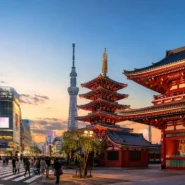
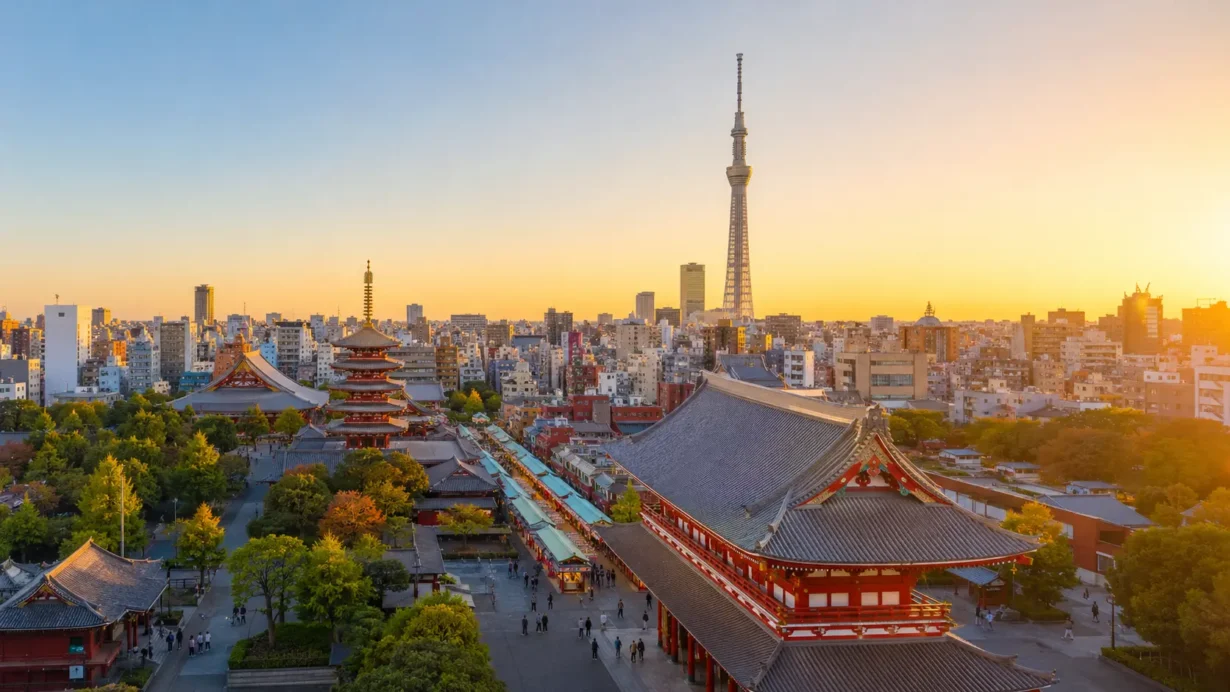
Day 1: Old Tokyo East — Senso-ji → Asakusa Backstreets → Tokyo Skytree
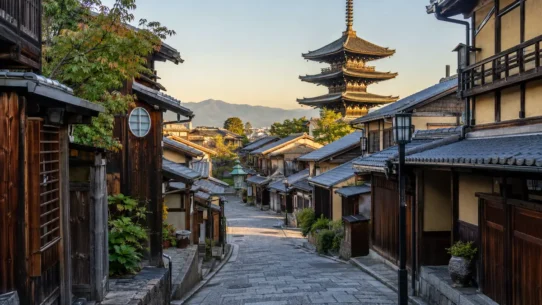
Start at Senso-ji around 7:00–7:30 a.m. Photograph Kaminarimon and the temple before the main crowd arrives. Let Nakamise be a second pass rather than your first stop; many shops open later than the temple. After breakfast, walk toward the Sumida River. Continue across the river only if your legs feel fresh. Otherwise, take the Tobu Skytree Line one stop from Asakusa to Tokyo Skytree Station. Book Skytree for late morning or early afternoon, when visibility can still be good and you are not paying with your whole evening.
Day 2: West Tokyo — Meiji Jingu → Harajuku → Shibuya → SHIBUYA SKY
Enter Meiji Jingu soon after opening, when the forest approach still feels peaceful. Exit toward Harajuku, but do not spend two hours trapped in the slow-moving center of Takeshita Street unless youth fashion is a major interest. For a lower-stress route, browse the side streets or Omotesando, then take the JR Yamanote Line one stop from Harajuku to Shibuya instead of walking the full distance. Reserve SHIBUYA SKY for a realistic slot you can reach without sprinting. A 2:00–3:00 p.m. visit is easier than sunset and leaves time for dinner in Shibuya.
Day 3: Food, Digital Art and the Classic Skyline — Tsukiji → teamLab Borderless → Tokyo Tower
Arrive at Tsukiji around 8:45–9:00 a.m., eat selectively and leave before the late-morning crush. Take the Hibiya Line from Tsukiji toward Kamiyacho for teamLab Borderless. Kamiyacho Exit 5 connects to Azabudai Hills through an underground passage, which is especially useful in summer heat or rain. After two to three hours inside, take a proper café break. Tokyo Tower is close enough to walk from Azabudai Hills for many travelers, but a short taxi is a sensible leg-saving choice for families, older visitors or anyone already above 15,000 steps.
Day 4: The Buffer Day — Ueno & Yanaka, Ginza & Tokyo Station, or a Weather-Gated Fuji Trip
Do not pre-load this day with three non-refundable bookings. Use it for whatever the first three days pushed aside: Ueno museums and Yanaka for an older neighborhood feel, Ginza and Tokyo Station for shopping and food, or simply laundry, souvenir buying and a slower dinner. Consider a Mount Fuji day trip only when visibility and transport conditions look worthwhile. This buffer also absorbs a rain-delayed Skytree or SHIBUYA SKY visit without wrecking the entire plan.
Day 5: Tokyo DisneySea — One Park, One Full Day, No Hotel Change
Travel light and arrive well before the posted opening time. Once inside, use the app immediately for the day’s most important paid or limited-access experiences. Do not attempt Disneyland and DisneySea in one ordinary day unless a valid park-hopper product is available for your exact date and you accept that both parks will be rushed. Return to the same Tokyo hotel afterward; moving luggage to a resort-area hotel for one night usually creates more work than value on a five-day trip.
Ticket Tips & Skip-the-Line Hacks
An e-ticket does not magically remove every queue. It can secure your entry time and eliminate the ticket-counter gamble, but you may still wait for security, elevators or attraction loading. The real “skip-the-line” win is avoiding a sold-out arrival and protecting your route from last-minute changes.
Book in this order: SHIBUYA SKY first, Tokyo DisneySea second, teamLab Borderless third, Tokyo Skytree fourth and Tokyo Tower last. SHIBUYA SKY currently releases a limited forward booking window and popular late-afternoon slots vanish quickly. Tokyo Disney Resort sells fixed-date tickets ahead of time. Skytree tickets can be released earlier, while Tokyo Tower is usually the least stressful reservation in this route.
Verified Ticket Pages
- SHIBUYA SKY: Book on Klook | Book on KKday
- Tokyo Skytree: Book on Klook | Book on KKday
- teamLab Borderless: Book on Klook. At the time of fact-checking, the official teamLab page specifically listed its official ticket site and Klook; no equivalent KKday Borderless product page was added here because an exact verified listing was not found.
- Tokyo Tower: Book on Klook
- Tokyo Disney Resort: Book on Klook | Book on KKday
- Tokyo Subway Ticket: Book on Klook | Book on KKday
QR-code rule: Save every ticket to your phone and take an offline screenshot, but keep the original booking page available because some venues need the live voucher or moving code. Carry a compact power bank. A dead phone in Tokyo is not just inconvenient—it can remove your ticket, map, translation tool and Disney strategy at the same time.
Tried & Tested: My Honest Review
📍 Stop 1: Senso-ji Temple & Nakamise Shopping Street
Tags: Free attraction · Early-morning winner · Culture · Heavy midday crowds
My honest take: Senso-ji deserves its place in a first Tokyo trip, but the experience changes completely by the hour. At 7:00 a.m., it can feel atmospheric and spacious. Around late morning, the approach becomes a human conveyor belt. The temple grounds are accessible at all hours, while the Main Hall opens early and Nakamise shops follow their own schedules. That creates the perfect two-stage visit: temple first, shopping second.
Do not judge Nakamise only by the busiest central lane. Side streets offer cafés, craft shops and quieter angles. Also remember that the market-like atmosphere is still attached to an active place of worship. Pause before photographing worshippers, keep the main path moving and do not block the incense area for a long photo session.
✅ What Other Travelers Say
Travelers consistently praise the dramatic Kaminarimon gate, the contrast between old Tokyo and the modern skyline, and the fact that the core temple visit is free. Early visitors often describe a far calmer experience than midday visitors.
⚠️ The Catch (Things to Keep in Mind)
The most famous snack stalls and souvenir shops open after the quietest temple hours, so you cannot have empty-street photographs and a fully operating Nakamise at exactly the same time. Visit the temple early, eat breakfast nearby, then loop back once.
📍 Stop 2: Tokyo Skytree
Tags: Highest viewpoint · Weather-sensitive · Family-friendly · Timed ticket
My honest take: Skytree is about scale. It makes Tokyo look almost endless, and on a clear day the view can justify the price. On a hazy or rainy day, however, the expensive height becomes an expensive look at pale grey. Check visibility and cloud conditions before upgrading to the higher Tembo Galleria.
For most first-time visitors, the Tembo Deck is sufficient. The Galleria adds height and the experience of spiraling upward, but the improvement in view is not always proportional to the extra cost. Families benefit from the surrounding Solamachi complex because food, shopping and indoor backups are in the same building.
✅ What Other Travelers Say
Common praise focuses on the speed of the elevators, the enormous 360-degree view and the convenience of having restaurants, shops and other attractions in the same complex. Advance-booked visitors also value avoiding uncertainty at the ticket counter.
⚠️ The Catch (Things to Keep in Mind)
Visibility is the entire product. Do not blindly prepay for every upgrade on a questionable weather day. Admission tickets can be released well in advance and popular holiday dates may sell out, but a flexible traveler should balance advance security with the forecast.
📍 Stop 3: Meiji Jingu & Harajuku
Tags: Free shrine · Forest walk · Long approach · Extreme neighborhood contrast
My honest take: Meiji Jingu is one of Tokyo’s best resets, especially early in the morning. The broad forest approach creates a genuine mental break from the city, but “next to Harajuku Station” does not mean “a two-minute attraction.” The walk to the inner shrine and back can consume more distance than first-time visitors expect.
Pairing the shrine with Harajuku makes geographic sense, but do not confuse efficiency with obligation. Takeshita Street can be fun for a short look, yet it becomes slow and claustrophobic at peak hours. Visitors who dislike dense crowds will probably enjoy the side streets, Cat Street or Omotesando more.
✅ What Other Travelers Say
Travelers often highlight the surprising quiet, the huge torii gates and the feeling of being outside central Tokyo despite the location. Many enjoy moving directly from the shrine’s forest atmosphere into Harajuku’s fashion streets.
⚠️ The Catch (Things to Keep in Mind)
The shrine opens with sunrise and closes with sunset, with facility hours varying inside. Gravel, distance and summer humidity can make the walk tiring for small children, travelers with mobility limitations and anyone carrying shopping bags. Visit before shopping, not after.
📍 Stop 4: SHIBUYA SKY
Tags: Best open-air skyline · Hardest ticket · Weather risk · Strict rooftop belongings
My honest take: If you pay for only one modern Tokyo observatory, this is the strongest all-round choice. The open-air rooftop feels more dramatic than looking through glass, and the view includes Shibuya Crossing, Tokyo Tower, Skytree and—when the air is clear—Mount Fuji.
But the internet has turned sunset into a trophy. That pressure creates the worst planning behavior: people buy an awkward slot, rush across town, skip lunch and arrive stressed. A clear daytime visit is better than a cloudy sunset visit. A night slot also delivers the neon-city effect without sacrificing the entire afternoon.
✅ What Other Travelers Say
Travelers repeatedly praise the 360-degree rooftop, the view straight down toward Shibuya Crossing and the polished entry experience. Advance bookings are generally considered straightforward when the desired time remains available.
⚠️ The Catch (Things to Keep in Mind)
Web tickets currently sell within a limited forward window, and later entry costs more than earlier entry. Adult tickets sold out online are also sold out at the counter. Rooftop access can close for wind or weather, bags must be stored and late arrival can jeopardize admission. Treat the time as an appointment, not a suggestion.
📍 Stop 5: Tsukiji Outer Market
Tags: Food crawl · No admission · Narrow lanes · Tourist pricing risk
My honest take: Tsukiji is worth visiting when you treat it as a tasting market, not an all-you-can-eat challenge and not the wholesale tuna-auction experience it used to host. Choose two or three things you genuinely want, compare prices and keep space for a proper meal elsewhere.
The official market guidance recommends morning visits, asks tourists to give professional buyers priority until 9:00 a.m., discourages walking while eating and asks visitors to leave large luggage behind. These are not fussy rules—they are the difference between a functioning market and a crowded theme street.
✅ What Other Travelers Say
Travelers love the variety: sushi, sashimi bowls, grilled seafood, tamagoyaki, tea, dried goods, knives and tableware appear within a compact area. Sampling several small items can be more memorable than waiting for one viral stall.
⚠️ The Catch (Things to Keep in Mind)
Viral seafood skewers and premium bowls can be expensive, and a long queue is not proof of the best quality. Many businesses close early or follow market holidays. Check the official calendar, avoid Sundays for a full experience and never bring a rolling suitcase into the narrow lanes.
📍 Stop 6: teamLab Borderless at Azabudai Hills
Tags: Immersive art · Rain-proof · No fixed map · Timed entry
My honest take: Borderless works best when you stop trying to “complete” it. There is intentionally no visitor map, artworks move between rooms and the museum rewards wandering. Travelers who rush from famous room to famous room often miss the point and still spend two hours inside.
The Kamiyacho underground connection is a major practical advantage in bad weather. Book before building Day 3 because timed tickets can sell out. The official rules state that re-entry is not allowed, so eat, use the restroom and organize children before scanning in.
✅ What Other Travelers Say
Travelers commonly praise the scale, constant visual change and the fact that different people can discover different sequences of rooms. It is also a dependable rainy-day anchor when outdoor plans become unpleasant.
⚠️ The Catch (Things to Keep in Mind)
Darkness, mirrors, sound and moving projections can be overstimulating. Photography is allowed, but flash, large photographic aids and disruptive equipment are restricted. On-site availability is not guaranteed, and the official ticket page notes that local pricing may differ from online pricing.
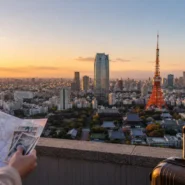
📍 Stop 7: Tokyo Tower
Tags: Retro icon · Night atmosphere · Optional paid deck · Great free exterior views
My honest take: Tokyo Tower is more emotionally “Tokyo” than Skytree, even though it is much lower. Its orange illumination, postwar design and location beside Zojo-ji make the area feel cinematic. That does not mean everyone needs another paid observatory.
If you already visited SHIBUYA SKY or Skytree, see Tokyo Tower from outside at dusk, walk through Shiba Park and save the admission fee. Pay for the Top Deck only when you value the guided presentation and polished experience, not simply because it is higher than the Main Deck.
✅ What Other Travelers Say
Travelers praise the nostalgic architecture, central location and evening atmosphere. The surrounding temple-and-park views also make the visit feel more complete than an isolated elevator ride.
⚠️ The Catch (Things to Keep in Mind)
The Main Deck and Top Deck are separate products, and online pricing for the Top Deck is lower than counter pricing. The tower can feel redundant after another paid skyline attraction. Decide which view is your “hero” ticket before buying all three.
📍 Stop 8: Tokyo DisneySea
Tags: Full-day commitment · App-driven · High walking load · Best for Disney fans and adults
My honest take: DisneySea is not a casual half-day add-on. It is outside central Tokyo in Urayasu, the park is large, and the best day requires decisions immediately after entry. Give it the fifth day so your body has adapted to Tokyo and so the previous evening can end early.
The official app matters because paid Premier Access, some limited-access systems, mobile food ordering and current wait times live there. Decide your top two attractions before arrival. Buying every paid shortcut is unnecessary; buying one for the attraction that would otherwise consume the largest part of your day can be rational.
✅ What Other Travelers Say
Travelers often call DisneySea one of the most distinctive Disney parks, praising its detailed environments, adult-friendly atmosphere, harbor setting and attractions unavailable elsewhere. The evening lighting is a major part of the experience.
⚠️ The Catch (Things to Keep in Mind)
Park tickets use date-based pricing and can reach peak rates. Premier Access costs extra and may sell out. Operating hours, closures and entertainment schedules vary by date. A posted 9:00 a.m. opening does not mean arriving at 8:55 a.m. is an efficient strategy.
Key FAQs
Is five days in Tokyo enough for first-time visitors?
Yes—five days is enough for the main Tokyo highlights when you group neighborhoods and accept that you cannot also “complete” every museum, shopping district, theme park and day trip. Keep one flexible day rather than booking five consecutive sunrise-to-midnight schedules.
Where should first-time visitors stay for this Tokyo 5-day itinerary?
For this exact east-west-central route, Tokyo Station, Ginza, Shimbashi or nearby central areas provide a balanced base. Ueno is practical for Asakusa, Narita access and value-focused hotels. Shibuya or Shinjuku suits nightlife but increases travel time to Tsukiji, Asakusa and DisneySea. The biggest saving comes from staying in one hotel, not from chasing a “perfect” neighborhood and moving mid-trip.
Should I buy a Tokyo Subway Ticket or just use Suica or PASMO?
Use an IC card when you want maximum simplicity across JR, subway and private lines. Consider a 24-, 48- or 72-hour Tokyo Subway Ticket when your planned rides are mainly on Tokyo Metro and Toei Subway and the fare math works. Remember that it does not cover every train used in this itinerary, including some Skytree and Disney connections.
Final Verdict and Your Next Step
The best Tokyo itinerary is not the one with the most screenshots. It is the one that gives each district enough time to feel different. Keep Day 1 in the east, Day 2 in the west, Day 3 around Tsukiji and Minato, Day 4 flexible, and Day 5 for DisneySea. That structure cuts repeat transfers, protects your feet and leaves room for the city to surprise you.
Book the difficult timed attractions before the easy ones. Start with SHIBUYA SKY on Klook or SHIBUYA SKY on KKday, then secure Tokyo Disney Resort tickets on Klook or Tokyo Disney Resort tickets on KKday. Next, lock in teamLab Borderless and your preferred Tokyo Skytree slot.
For transport, compare your planned rides before buying. The Tokyo Subway Ticket on Klook and Tokyo Subway Ticket on KKday can save money on Metro-heavy days, but an IC card remains the least complicated choice for mixed operators.
Final warning: Do not let a sold-out sunset ticket dictate the emotional success of your trip. Tokyo is not one rooftop, one crossing or one viral seafood bowl. Plan the difficult logistics early, leave one day flexible and spend your energy on the experience—not on recovering from the itinerary.
Official Sources & Verification Notes
- Senso-ji official website
- Meiji Jingu official visitor information
- Tsukiji Outer Market official visitor guidance
- Tokyo Skytree official ticket FAQ
- SHIBUYA SKY official ticket page
- teamLab Borderless official visitor page
- Tokyo Tower official fees and business hours
- Tokyo Disney Resort official park tickets