
💡 Key Takeaways
A good 3-day Sapporo itinerary is not about collecting the largest possible number of pins. The real challenge is that Sapporo’s headline sights sit in different directions: the beer museum is northeast of the center, Otaru is a separate coastal city, and Hokkaido Shrine, Okurayama and Mt. Moiwa spread across the western and southwestern hills. First-time visitors often underestimate winter walking, bus waiting, early shop closures and the time lost crossing the city. This route fixes those problems by assigning each day a clear geographic purpose, leaving enough breathing room for meals, weather delays and tired legs.
Planning note: Operating hours, fares and reservation systems were checked in August 2026. Hokkaido weather can interrupt ropeways and outdoor facilities with little notice, so confirm the latest official information again shortly before travel.
The 1-Min Cheat Sheet
- Odori Park, Sapporo TV Tower and the Central Grid
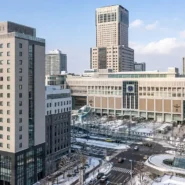
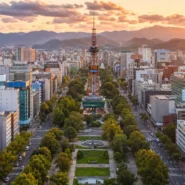
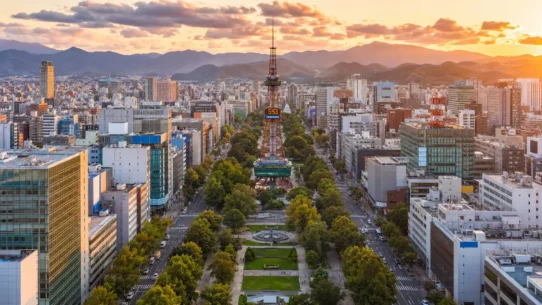
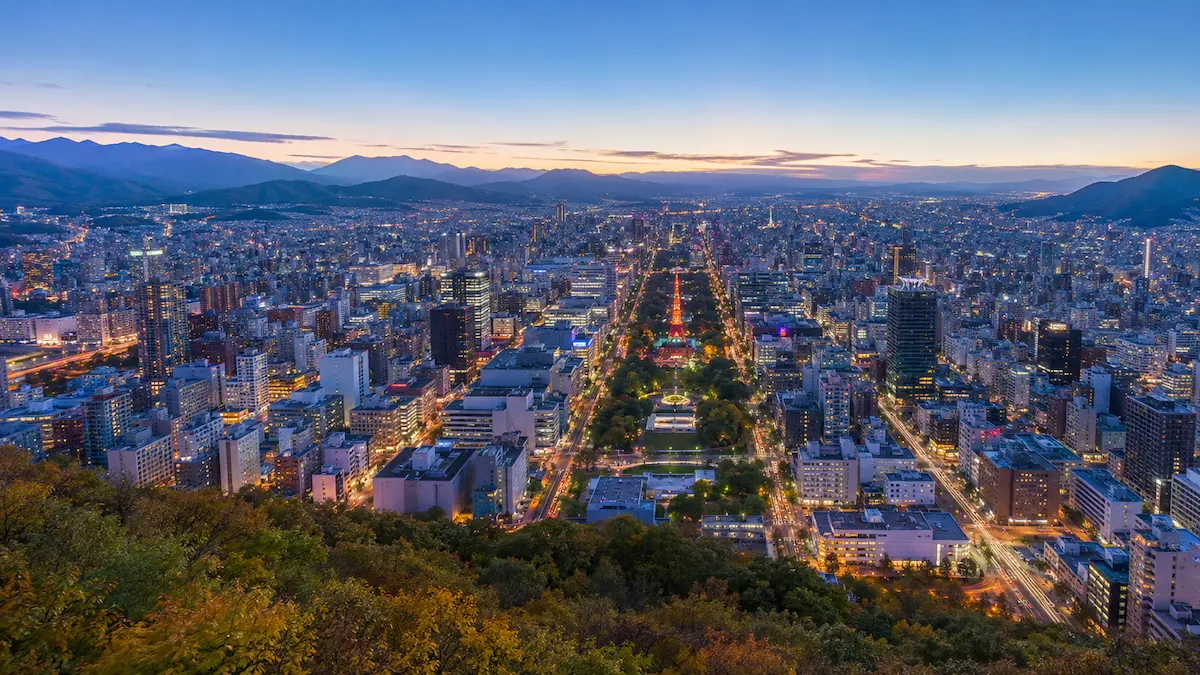
Best for first-time visitors, photographers and travelers who want an easy orientation walk. Allow 2.5–4 hours including the Clock Tower exterior, Odori Park, TV Tower and nearby shopping streets. Odori Park is free; the TV Tower observation deck is currently ¥1,200 for adults. Odori Station is the main transport hub, and Exit 27 leads directly toward the tower. No timed reservation is normally required. Go between 9:00 and 11:00 for clearer streets or around blue hour for city lights. The catch: the Clock Tower is much smaller than many visitors expect, and the TV Tower becomes poor value when cloud, snow or festival crowds block the view. - Sapporo Beer Museum and Beer Garden
Best for beer fans, industrial-history lovers and adults who want dinner in a lively heritage setting. Allow 60–90 minutes for the museum, or 2.5–3.5 hours if you add a meal. The self-guided museum visit is currently ¥1,000 for adults; the guided tour is ¥2,000 and includes tasting. Use the direct bus from Sapporo Station, the Loop 88 bus from the central area, or walk about eight minutes from Naebo Station. The self-guided visit does not require a reservation; the small guided tour should be booked ahead. Arrive around 15:30–16:00 so you finish before last admission and can eat afterward. The catch: it is not an operating brewery, and the newly paid museum format may disappoint travelers expecting a free factory tour. - Otaru Canal and Sakaimachi Street
Best for couples, food travelers, architecture fans and anyone wanting a low-stress day trip. Allow 6–8 hours including the JR journey. Walking along the canal and shopping streets is free; optional museums and the canal cruise charge separately. Take a Rapid Airport or local JR train from Sapporo to Otaru, generally about 33–46 minutes. The streets need no reservation, while a canal cruise is worth pre-booking in busy periods. Reach Otaru by about 9:00–9:30, before the main tour-bus wave. The catch: the canal itself is compact, the main shopping street gets congested after lunch, and many shops close earlier than visitors expect. - Hokkaido Shrine and Maruyama Park
Best for culture seekers, families and travelers who need a quieter morning after Susukino. Allow 1.5–2.5 hours. Admission and worship are free. Take the Tozai subway line to Maruyama Koen Station, then walk roughly 15 minutes through or beside the park. No reservation is needed. Go soon after opening; seasonal gate hours generally range from 6:00 or 7:00 until 16:00 or 17:00. The catch: the approach is longer than it looks, winter surfaces can be icy, and shrine office hours are not the same as unrestricted access to every outdoor path. - Mt. Moiwa Ropeway and Summit
Best for panoramic views, couples and travelers choosing only one paid night-view attraction. Allow 2–3 hours from the city center, longer during sunset peaks. The current adult round-trip set fare for the ropeway and mini cable car is ¥2,100. Reach Ropeway Iriguchi by streetcar and use the shuttle when operating, take the direct JR Hokkaido bus, or use a taxi to the base station. Buying ahead is sensible in busy seasons, but check the redemption rules carefully. Arrive 60–90 minutes before sunset. The catch: wind and maintenance can suspend service, visibility can collapse suddenly, and an electronic voucher does not necessarily eliminate the ticket-exchange or boarding queue.
Tourist Traps to Avoid & Itinerary Hacks
- Trap: The “everything west of Sapporo” bus marathon.
Some day tours combine Shiroi Koibito Park, Otaru, Jozankei and Mt. Moiwa in roughly ten hours. The timetable can shrink major stops to about 20–40 minutes, which is barely enough to find a restroom, take one photo and return to the bus. Hack: keep Otaru as Day 2, then use Day 3 for the western Sapporo hills. Replace Okurayama with Shiroi Koibito Park only when the chocolate attraction matters more to you; do not add both. - Trap: Treating the Sapporo Clock Tower as a half-day attraction.
It is historically important but physically small. Hack: place it naturally between Odori Park and Sapporo Station, spend 10–30 minutes, and never cross the city solely for it. - Trap: Paying for TV Tower and Mt. Moiwa at the same sunset.
You will duplicate the city-light experience and waste the best movement window. Hack: use TV Tower in the morning to understand the city grid, then reserve sunset and darkness for Mt. Moiwa. - Trap: Assuming Nijo Market is automatically the cheapest seafood breakfast.
It is central and convenient, not a guaranteed wholesale bargain. Menus, opening times and value vary by stall. Hack: compare displayed prices before sitting down, order a smaller bowl if you plan an indulgent Otaru lunch, and walk away from any restaurant with a queue that does not move. - Trap: Buying a broad Hokkaido rail pass only for the Sapporo–Otaru round trip.
A regional pass can be excellent for longer journeys, but Otaru alone rarely justifies it. Hack: compare the ordinary return fare with your complete Hokkaido rail plan before purchasing a pass. - Trap: Following Google walking times literally in winter.
Packed snow, road crossings, wet boots and black ice can turn a 12-minute walk into 20 minutes. Hack: add at least 25% to outdoor walking estimates, use the underground pedestrian network between Sapporo Station, Odori and Susukino, and wear traction aids when conditions require them. - Trap: Renting a car for this exact three-day route.
Central parking, winter driving and one-way sightseeing flow make a car more burden than advantage. Hack: use subway and JR, then spend selectively on a taxi where public transport is genuinely awkward. - Trap: Booking a fixed dinner immediately after Mt. Moiwa.
Ropeway queues, wind restrictions and the downhill transfer are unpredictable. Hack: eat an early snack before ascending and keep dinner flexible in Susukino after returning.
The Perfect 3-Day Itinerary at a Glance
Day 1: Central Sapporo, Odori and the Beer Museum
Why this order works: the morning stays inside Sapporo’s compact central grid, when markets and civic sights are most useful. In the afternoon, you make one deliberate move northeast to the Beer Museum instead of repeatedly bouncing between the station, Susukino and outlying attractions.
- Suggested start: 8:15–8:30.
- Main sequence: Nijo Market → Sapporo TV Tower → Odori Park → Sapporo Clock Tower → lunch around Odori or Tanukikoji → Sapporo Beer Museum → Beer Garden dinner or Susukino.
- Transport: walk through the central grid; use the subway only if weather is poor. From Odori or Sapporo Station, take the direct bus to the Beer Museum. Returning by bus, Naebo Station or taxi depends on your dinner location.
- Walking and effort: about 7–10 km, easy on dry pavement but moderate in winter. The central section is flat and can be shortened using underground passages.
- Lunch strategy: avoid a giant seafood breakfast and a giant Genghis Khan dinner on the same day. Choose a light soup curry, soba or bakery lunch near Odori.
- Easiest stop to cut: the Clock Tower interior. Keep the exterior photo because it lies naturally on the route.
- Rain or low-energy alternative: shorten Odori Park, use the underground shopping arcades, and swap the Beer Museum for AOAO SAPPORO or another indoor central attraction if the group does not drink.
Practical timing: Nijo Market is best before the lunchtime crowd. Reach TV Tower around opening time, then walk west through Odori rather than repeatedly entering and exiting the subway. Aim to reach the Beer Museum around 15:30. The current museum closes at 18:00 with last admission at 17:30, so this is not a venue to save for “after dinner.”
Day 2: Otaru Canal, Historic Warehouses and Sakaimachi
Why this order works: Otaru deserves a full coastal day, not a rushed add-on. Taking JR early puts you ahead of tour buses, and the route naturally descends from Otaru Station toward the canal before continuing southeast along Sakaimachi. You can then walk or take a short taxi from the southern end back toward the station.
- Suggested start: leave Sapporo around 8:00–8:30 and arrive in Otaru around 9:00.
- Main sequence: optional quick browse at Sankaku Market → Chuo-dori → Otaru Canal and warehouses → optional Bank of Japan Museum or Otaru Art Base → early lunch → Sakaimachi Street → Kitaichi Glass → Otaru Music Box Museum area → return to Sapporo.
- Transport: JR between Sapporo and Otaru; mostly walk inside Otaru. Use one short taxi or local bus if feet are tired, especially from the Music Box Museum end back to Otaru Station.
- Walking and effort: about 8–11 km. The route is mostly gentle, but snowbanks, slush and polished ice can make winter much harder than the elevation suggests.
- Lunch strategy: eat before 11:45 or after 13:30. Restaurants directly on the most photographed sections charge for convenience; walk one or two streets away and inspect menus before queuing.
- Easiest stop to cut: Mt. Tengu. It is worthwhile in its own right, but the bus journey and ropeway turn an unhurried Otaru day into another race.
- Rain or low-energy alternative: prioritize Otaru Art Base, the Bank of Japan Museum, glass shops and the Music Box Museum; use a taxi between indoor clusters.
Seasonal decision: in summer, returning to Sapporo around 16:30–17:30 avoids pushing dinner too late. In winter illumination periods, staying after dark can be beautiful, but do not assume Sakaimachi shops will remain open just because the canal lights are on. Check the final train options and the specific event schedule before deciding.
Day 3: Hokkaido Shrine, Okurayama and Mt. Moiwa
Why this order works: shrine hours are earlier and more restrictive than a night-view attraction, so Hokkaido Shrine comes first. Okurayama fills the middle of the day, and Mt. Moiwa is saved for the only time it truly earns its place in a short itinerary: the transition from daylight to night.
- Suggested start: 8:00–8:30, adjusted to the shrine’s seasonal opening time.
- Main sequence: Maruyama Koen Station → Hokkaido Shrine → Maruyama neighborhood break → Okurayama Ski Jump Stadium and optional Olympic Museum → early meal or snack → Mt. Moiwa before sunset → flexible dinner in Susukino.
- Transport: Tozai subway line to Maruyama Koen; bus to Okurayama. From Okurayama to Mt. Moiwa, a taxi is the smartest splurge because the public-transport route is indirect. Return by shuttle/streetcar, direct bus or taxi.
- Walking and effort: about 5–8 km plus standing and chairlift/ropeway queues. The shrine approach is gradual; Okurayama and Mt. Moiwa involve exposed outdoor areas, stairs and potentially slippery surfaces.
- Lunch strategy: eat in Maruyama before heading uphill or carry a substantial snack. Do not rely on finding a quick, cheap meal at the exact moment you need it near the mountain attractions.
- Easiest stop to cut: Okurayama. Keep Hokkaido Shrine and Mt. Moiwa as the stronger contrast of culture and night scenery.
- Rain or low-energy alternative: replace Okurayama with the Sapporo Olympic Museum only if access remains convenient, or return to central Sapporo for an indoor museum, cafe and shopping afternoon. Skip Mt. Moiwa entirely when cloud hides the city; paying for a white window is not a badge of honor.
Shiroi Koibito Park option: travelers with young children or a strong interest in confectionery can replace Okurayama with Shiroi Koibito Park. Do not place all three—Shiroi Koibito Park, Okurayama and Mt. Moiwa—into the same day unless you are comfortable spending much of it on transit.
Save Your Legs! The Most Efficient Route
The route works because it respects Sapporo’s shape rather than treating the city as a compact theme park. Day 1 stays on the flat central grid before making one outward move to the Beer Museum. Day 2 uses a direct JR corridor to Otaru and returns to the same hotel. Day 3 follows the western hills from Maruyama toward Okurayama and then southwest to Mt. Moiwa.
Attractions that belong together: Nijo Market, TV Tower, Odori Park, the Clock Tower and Tanukikoji are sensible on one walking day. Hokkaido Shrine and Okurayama share Maruyama as their transit gateway. Otaru Canal, Sakaimachi, the glass shops and Music Box Museum form one continuous pedestrian route.
Attractions that look compatible but are not: Otaru and Mt. Moiwa both sit west of the central map, yet they use different transport systems and serve different ideal time windows. Shiroi Koibito Park and Otaru are often combined by bus tours, but independent travelers lose flexibility when they must cross back through the urban fringe. Sapporo Beer Museum and Mt. Moiwa are on opposite sides of the center and should not be paired unless you are deliberately using taxis.
Best transport by segment: use JR for Otaru; the subway for Sapporo’s center and Maruyama; walking for Odori, Tanukikoji and Otaru’s historic core; buses only where they are direct; and a taxi between Okurayama and Mt. Moiwa when two or more people can share the fare. The streetcar is useful for the Mt. Moiwa approach but slow as a general sightseeing loop.
Where the route gets physically awkward: the approach from Ropeway Iriguchi toward the Mt. Moiwa base station includes an uphill section unless you catch the shuttle. Hokkaido Shrine has a long outdoor approach. Okurayama has an exposed chairlift and steps around viewing areas. Otaru’s older pavements, wet stone, snow ridges and shop thresholds are unfriendly to large suitcases and can be annoying with strollers. None of these places is where you should test whether a 28-inch case can survive a sightseeing day.
Where to Stay in Sapporo
Sapporo Station: the best choice for airport transfers, the Otaru day trip and travelers continuing by JR. The downside is that dinner and nightlife often require a walk or subway ride south, and the station complex can be disorienting.
Odori: the best all-round base for this itinerary. It sits between Sapporo Station and Susukino, connects to multiple subway lines, and has excellent underground access in bad weather. Prices can rise during festivals and weekends.
Susukino: best for ramen, bars, late dining and travelers who hate ending the night with another commute. The downside is more noise and a slightly less convenient start for early JR departures.
Nakajima Park: often quieter and better value, with simple subway access. It adds a small daily commute, so it is less suitable for travelers who value door-to-door efficiency above room size or calm.
Luggage Strategy for Arrival and Departure Days
Use one Sapporo base and leave your main bag at the hotel during the Otaru day trip. On arrival day, ask the hotel to hold luggage before check-in or use lockers at JR Sapporo Station. Lockers can fill during the Snow Festival and holiday peaks, so do not build a tight flight connection around finding a large empty locker at the last minute.
New Chitose Airport has baggage storage and delivery services, including delivery to designated hotels in central Sapporo. This can turn your arrival day into a usable sightseeing afternoon. On departure day, confirm your hotel’s holding policy or arrange airport delivery early enough for the provider’s cutoff. Keep passports, medicine, batteries and valuables with you.
Ticket Tips & Skip-the-Line Hacks
First, the honest version: Sapporo has useful electronic tickets, but most attractions do not sell a magical “skip every queue” product. An e-ticket can save payment time and protect you from language confusion; it cannot control weather, elevator capacity, ropeway boarding or a festival crowd.
Sapporo TV Tower: tickets are available at the third-floor counter, and electronic vouchers are sold by established platforms. There is usually no need to reserve a precise time, so an on-site purchase is adequate on a normal weekday. An e-ticket is more useful during the Snow Festival, weekends and holiday periods. Read the voucher instructions: some products permit voucher entry, while procedures can change. There is no guarantee that a pre-purchased ticket bypasses elevator or observation-deck crowd control.
Check the Sapporo TV Tower ticket on Klook
Check the Sapporo TV Tower ticket on KKday
Mt. Moiwa: buying ahead is worthwhile when sunset timing matters. However, the standard QR voucher may need to be exchanged for a paper ticket at the fourth-floor ticket counter at Sanroku Station. Certain night products offer priority for the upward ropeway in a selected time slot, but that priority does not necessarily cover the mini cable car transfer or the downward journey. This is not a true end-to-end skip-the-line service. Always check the live operating status before leaving central Sapporo because wind and maintenance can stop service.
Check the Mt. Moiwa Ropeway ticket on Klook
Check the Mt. Moiwa Ropeway advance ticket on KKday
Sapporo Beer Museum: the self-guided visit currently costs ¥1,000 for adults and can be bought in advance or on the day without a reservation. The guided tour has limited capacity, is conducted in Japanese, currently costs ¥2,000 for adults and should be reserved in advance. English and Korean audio devices for the guided tour cost extra. The self-guided smartphone audio experience supports several languages, so bring charged headphones.
Okurayama: on-site ticketing is normally sufficient. Check for competitions, chairlift interruptions, seasonal hours and weather before traveling. Buying a city attraction bundle can be worthwhile only when every included attraction fits your actual route; do not buy a pass merely because the headline discount looks large.
Hokkaido Shrine, Odori Park and Otaru’s streets: no reservation is needed and there is no admission fee for the core outdoor experience. Otaru Canal cruises are different: departure capacity is limited, so reserve a cruise when it is a must-do, especially during weekends, festivals and illumination seasons.
Before paying: confirm the latest official opening hours, closed days, maintenance periods, age rules and redemption instructions. Prices in this article are a planning reference, not a promise that a facility will never revise its rates.
Tried & Tested: My Honest Review
Editorial note: YouTube popularity changes constantly. The links below are verified embed URLs featured by official destination or municipal tourism pages at the time of publication, rather than an unsupported claim that one video will remain the platform’s permanent number-one result.
📍 Stop 1: Odori Park, Sapporo TV Tower and the Central Sights
Tags: #FirstTimeSapporo #EasyWalking #CityView #RainFriendly
The strength of central Sapporo is not any single monument; it is the easy sequence. You can understand the street grid from TV Tower, cross Odori Park, see the Clock Tower without a detour and continue toward the station or Tanukikoji. The tower is worth paying for on a clear day, but I would not make it compulsory when visibility is poor.
✅ What Other Travelers Say
Travelers consistently praise the broad view over Odori Park and the convenience of reaching the tower directly from the subway and underground shopping network. Electronic vouchers are also commonly described as easy to redeem.
⚠️ The Catch (Things to Keep in Mind)
The observation deck is not especially high compared with modern skyscraper viewpoints, and event crowds can make a short visit surprisingly slow. The Clock Tower is a five-to-thirty-minute stop, not a destination around which to design the day.
📍 Stop 2: Sapporo Beer Museum and Beer Garden
Tags: #BeerHistory #GenghisKhan #IndoorStop #AdultTravel
The red-brick setting has atmosphere, and the story of beer and Hokkaido’s development is more interesting than the word “museum” suggests. The best version of this stop is museum first, dinner second. Going only for a fast beer photograph misses the point; expecting a working brewery tour also sets the wrong expectation.
✅ What Other Travelers Say
Visitors often highlight the historic architecture, old advertising posters, tasting experience and the lively beer-hall meal next door. The direct bus is appreciated because the complex is less convenient than central attractions.
⚠️ The Catch (Things to Keep in Mind)
Since the 2026 renewal, most museum areas require admission. Guided tours are small, mainly Japanese-language experiences, and children below school age cannot join the guided tour. The smell and smoke of grilled lamb may cling to clothing, and all-you-can-eat packages are poor value for light eaters.
📍 Stop 3: Otaru Canal and Sakaimachi Street
Tags: #DayTrip #HistoricPort #Seafood #ShoppingStreet
Otaru works because the day has texture: a harbor-city approach, warehouses, museums, glassware, sweets and seafood. The famous canal is smaller than advertising photographs imply, but the complete walking route is still one of the best day trips from Sapporo. Rush it and Otaru feels like a souvenir mall; slow down and the side streets begin to earn the journey.
✅ What Other Travelers Say
The direct JR connection, atmospheric warehouses, dessert shops and easy walkability receive the most positive feedback. Couples and photographers particularly enjoy the canal around early morning, dusk and winter illumination periods.
⚠️ The Catch (Things to Keep in Mind)
Midday tour groups can clog the canal photo points and Sakaimachi pavements. Seafood is not automatically cheap, popular dessert shops can develop long queues, and many retail attractions close well before a late-night entertainment district would.
📍 Stop 4: Hokkaido Shrine and Maruyama Park
Tags: #Culture #QuietMorning #SeasonalNature #FreeAttraction
This is the reset button in the itinerary. After two urban days, the forested approach and spacious grounds provide a slower, quieter rhythm without leaving the city. It is especially rewarding in snow, cherry-blossom season and autumn color, but the respectful atmosphere matters more than getting a perfect photo.
✅ What Other Travelers Say
Travelers often describe the shrine as peaceful, photogenic in winter and surprisingly close to central Sapporo. Wildlife sightings and the connection with Maruyama Park add value beyond the main worship hall.
⚠️ The Catch (Things to Keep in Mind)
The walk from the subway is longer than “next to the station” descriptions suggest. Seasonal opening hours change, New Year crowds are intense, and snow-covered paths can be difficult for strollers or anyone with limited balance.
📍 Stop 5: Okurayama Ski Jump Stadium and Olympic Museum
Tags: #OlympicHistory #Chairlift #FamilyActivity #CityPanorama
Okurayama is more distinctive than another generic observation deck. Looking down the ski-jump slope makes the scale of the sport immediately understandable, while the Olympic Museum gives families something interactive. It is the right middle stop on Day 3, but not essential when weather is bad or the group has limited mobility.
✅ What Other Travelers Say
The simulated winter-sports activities, unusual chairlift perspective and view aligned toward central Sapporo are the strongest positives. Visitors who know little about ski jumping often leave with more appreciation for the athletes.
⚠️ The Catch (Things to Keep in Mind)
The facility is exposed to wind, event schedules can affect access and the public-transport connection is less seamless than a central attraction. The chairlift may feel uncomfortable for travelers with a fear of heights, and not every area is equally convenient with a stroller.
📍 Stop 6: Mt. Moiwa Ropeway at Sunset
Tags: #NightView #Sunset #WeatherDependent #Couples
Mt. Moiwa is the finale because its value depends on timing. Arrive while the landscape is still visible, watch the city lights emerge, then leave before the final rush if possible. On a clear evening it is the itinerary’s strongest paid view; in cloud or heavy snow it can be the easiest ¥2,100 to regret.
✅ What Other Travelers Say
Many travelers recommend arriving before sunset so one ticket covers daylight, blue hour and night. The scale of Sapporo and the contrast between city lights and surrounding darkness make the summit feel more dramatic than a downtown tower.
⚠️ The Catch (Things to Keep in Mind)
A ropeway ride and a mini cable car are involved, so there can be two boarding waits in each direction. Priority products may cover only the upward ropeway. Wind closures, annual maintenance and poor visibility can invalidate the plan, so keep a central-city backup.
Key FAQs
Is three days enough for Sapporo and Otaru for first-time visitors?
Yes. Three full sightseeing days are enough for central Sapporo, one unhurried Otaru day trip and one western Sapporo day covering Hokkaido Shrine plus a mountain viewpoint. Three days are not enough when you also add Furano, Biei, Noboribetsu, Lake Toya and multiple ski resorts. Those are separate regional journeys, not Sapporo neighborhoods.
Should I stay near Sapporo Station, Odori or Susukino for a 3-day Sapporo itinerary?
Odori is the best balance for most first-time visitors. Sapporo Station is better when airport and JR convenience dominate. Susukino is better for nightlife and late dining. Choose one base rather than changing hotels; the saved packing time is worth more than a minor location advantage.
Do I need a car for Sapporo, Otaru and Mt. Moiwa?
No. JR, subway, streetcar, direct buses and one strategic taxi are more practical for this route. A car becomes useful when you add rural Hokkaido, remote onsen or destinations with weak public transport, but it creates parking and winter-driving problems inside central Sapporo.
Final Verdict and Your Next Step
The most satisfying first trip is not the itinerary with the most attractions. It is the one where you reach Otaru before the crowd, eat without panic, see the city from two genuinely different perspectives and still have enough energy to enjoy dinner. Keep Day 1 central, protect Day 2 for Otaru, and use Day 3 for the western hills. Treat Shiroi Koibito Park, Okurayama and other extras as substitutions, not trophies to stack on top.
Book only the tickets that solve a real problem. Buy Sapporo TV Tower electronically when festival crowds or language convenience matter. Buy Mt. Moiwa ahead when a sunset slot is central to your plan, while remembering that QR redemption and boarding queues may remain. Reserve the Beer Museum guided tour only when you specifically want the small-group explanation and tasting.
Useful booking links:
Sapporo TV Tower ticket on Klook
Sapporo TV Tower ticket on KKday
Mt. Moiwa Ropeway ticket on Klook
Mt. Moiwa Ropeway advance ticket on KKday
One final warning: confirm official operating status on the morning of your Mt. Moiwa visit and recheck all attraction hours before departure. A smart itinerary adapts; it does not force a prepaid plan through bad visibility, dangerous ice or a suspended ropeway.