
💡 Key Takeaways
- Do not treat Yokohama as one compact waterfront. Minato Mirai, Chinatown, Yamate and Sankeien belong in separate geographic blocks.
- Yokohama Landmark Tower’s Sky Garden has been closed for major renovation since December 31, 2025, with reopening expected in 2028 or later. Use Yokohama Marine Tower for a current observation-deck experience.
- Visit Chinatown before noon or after 1:30 p.m.; arriving at peak lunch time on a weekend can turn a pleasant meal into an hour of queueing and indecision.
- Book only the attractions that genuinely benefit from advance planning. Many Yokohama sights are free, walk-in or have no real skip-the-line system.
- Stay near Sakuragicho, Kannai or Yokohama Station and leave large luggage at your hotel or a storage counter. Yamate’s hills and Sankeien’s uneven paths are miserable with suitcases.
A good 3-day Yokohama itinerary is not about squeezing every famous landmark into a single waterfront marathon. That is the mistake first-time visitors make after looking at a map that makes Minato Mirai, the Red Brick Warehouse, Chinatown, Yamate and Sankeien appear deceptively close. In reality, the distances add up, the waterfront is more spread out than expected, buses can be slow in traffic, and several attractions have opening-hour or reservation rules that punish improvised planning.
This route is designed around how Yokohama actually works on the ground: one modern harbor day, one historic port-and-hills day, and one quieter garden-and-local-city day. It minimizes backtracking, avoids the worst lunch crowds, keeps the steepest walking to a controlled section and gives you clear escape routes when the weather or your legs stop cooperating.
Information check: Opening hours, closure notices and booking rules in this guide were checked on August 5, 2026. Yokohama venues frequently adjust schedules for maintenance, weather, private events and seasonal festivals, so always reconfirm on the linked official website before departure.
The 1-Min Cheat Sheet
- Minato Mirai and YOKOHAMA AIR CABIN
Best for: first-time visitors, couples, skyline photographers and travelers who want an easy opening day.
Recommended time: 2 to 3 hours for the promenade, ropeway and waterfront viewpoints, excluding museums.
Tickets: the waterfront is free; AIR CABIN currently costs ¥1,000 one way or ¥1,800 return for adults, with separate child prices.
Nearest station: Sakuragicho Station or Minatomirai Station. AIR CABIN connects Sakuragicho with Unga Park.
Reservation: not required. Web advance tickets are available, but they do not eliminate all boarding queues.
Best time: 9:00 to 10:30 for quiet walking, or late afternoon for softer light.
Biggest catch: the ropeway ride is short. It is a scenic convenience, not a major transport system, and a round trip is poor value unless you specifically want the view twice. - CUPNOODLES MUSEUM YOKOHAMA
Best for: families, food-history fans, rainy days and travelers who enjoy hands-on attractions.
Recommended time: 1.5 to 2.5 hours; add more time for the Chicken Ramen Factory.
Tickets: adult museum admission is ¥500; high-school-age visitors and younger enter free. My CUPNOODLES Factory costs an additional ¥500 per cup. Chicken Ramen Factory costs ¥1,200 for junior-high age and above, or ¥600 for elementary pupils.
Nearest station: Minatomirai Station or Bashamichi Station, followed by roughly a 10- to 12-minute walk.
Reservation: general admission is straightforward; My CUPNOODLES uses timed numbered tickets and can sell out; Chicken Ramen Factory requires advance reservation and works in pairs.
Best time: arrive at opening, especially on weekends and school holidays.
Biggest catch: the custom-cup activity is separate from admission, and buying museum entry does not guarantee your preferred workshop time. - Yokohama Red Brick Warehouse and Osanbashi Pier
Best for: architecture lovers, casual shoppers, sunset seekers and travelers who prefer flexible, mostly free sightseeing.
Recommended time: 2 to 3 hours, longer during a market or seasonal event.
Tickets: general entry to the Red Brick Warehouse complex and Osanbashi rooftop is free; special exhibitions and festivals may charge separately.
Nearest station: Bashamichi Station or Nihon-Odori Station. Walking between the two sights is the most efficient option.
Reservation: normally unnecessary, except for specific ticketed events or restaurants.
Best time: late afternoon through sunset, after daytime tour groups begin thinning.
Biggest catch: the Red Brick Warehouse is more shopping-and-event space than museum. During Christmas markets, Oktoberfest and major events, the plaza can become intensely crowded. - Yamashita Park, Yokohama Chinatown and Yamate
Best for: history, food, heritage architecture and travelers who want Yokohama’s strongest sense of place.
Recommended time: 5 to 7 hours including lunch and a controlled Yamate walk.
Tickets: Yamashita Park, Chinatown streets and many Yamate Western houses are free. NYK Hikawa Maru is ¥300 for adults and currently accepts cash at admission. Yokohama Marine Tower is ticketed, with day and night pricing.
Nearest station: Motomachi-Chukagai Station is the most useful starting point; Ishikawacho Station is a sensible finish after descending from Yamate.
Reservation: not needed for the park, Chinatown streets, free houses or Hikawa Maru; booking Marine Tower online can reduce ticket-counter friction.
Best time: park and ship in the morning, Chinatown before noon, Yamate after lunch.
Biggest catch: Yamate is hilly. The sights look close on a map, but repeated slopes and stairs make an unplanned loop much harder than expected. - Sankeien Garden
Best for: gardens, traditional architecture, seasonal scenery and travelers who want a quieter contrast to the waterfront.
Recommended time: 2 to 3 hours; serious photographers may want longer.
Tickets: ¥900 for visitors aged 15 and over and ¥200 for children aged 14 and under.
Nearest transport: there is no railway station at the gate. Use a city bus from Yokohama, Sakuragicho or Negishi, then walk from the relevant bus stop.
Reservation: usually unnecessary for ordinary admission; special events may have separate rules.
Best time: 9:00 opening, before tour groups and before the midday heat in warmer months.
Biggest catch: bus access is the weak point, and the pagoda hill, gravel, stone steps and uneven surfaces are tiring for anyone with mobility limitations or a large stroller.
Tourist Traps to Avoid & Itinerary Hacks
- Do not use an outdated Sky Garden itinerary. Many older blogs still recommend Yokohama Landmark Tower’s observation deck. It has been suspended for major work since December 31, 2025 and is expected to remain closed until 2028 or later. Old ticket pages may still appear in search results.
- Do not combine Sankeien with Shin-Yokohama and Chinatown in one day. They sit in different directions and rely on different transport patterns. The result is a day dominated by buses, transfers and waiting rather than sightseeing.
- Do not arrive in Chinatown at 12:30 on Saturday with no restaurant plan. The main streets become congested, popular dining rooms queue, and decision fatigue leads visitors toward aggressive touts or mediocre all-you-can-eat deals. Eat at 11:00 to 11:30 or after 1:30.
- Do not assume every “Yokohama” station is near the waterfront. Yokohama Station is a major transport hub, Sakuragicho is the gateway to Minato Mirai, and Shin-Yokohama is the Shinkansen station several stops inland. Booking a hotel at Shin-Yokohama to be “central” can add daily commuting.
- Do not buy a sightseeing pass before counting rides. Much of this itinerary is walkable within each district. An IC card is often cheaper and more flexible than a day pass unless you plan several bus and subway journeys in one calendar day.
- Use AIR CABIN one way, not automatically return. Ride from Sakuragicho to Unga Park at the start of Day 1, then continue forward on foot through the Shinko waterfront. Returning to the same station by ropeway defeats the route logic.
- Do not make Red Brick Warehouse your lunch anchor during a major event. Event weekends can bring queues, restricted access and inflated food-stall spending. Keep World Porters, Yokohama Hammerhead or an early meal near Sakuragicho as backups.
- Do not drag luggage onto the Yamate hills or a Sankeien bus. Store it at your hotel, Sakuragicho Tourist Information Center, a station locker or a verified baggage counter. Large suitcases are socially awkward on crowded city buses and physically punishing on slopes.
- Do not confuse “QR entry” with guaranteed zero waiting. An e-ticket can remove the ticket-purchase step. It cannot eliminate boarding queues, elevator capacity, security checks, weather stoppages or timed-entry rules.
The Perfect 3-Day Yokohama Itinerary at a Glance
The order below follows a simple principle: move in one direction within one district, finish near a useful station, and place indoor or time-sensitive attractions before free outdoor spaces. That is more efficient than the common online itinerary that bounces from Minato Mirai to Chinatown, back to the Red Brick Warehouse, then out to Sankeien.
Day 1: Minato Mirai, Shinko Waterfront and Osanbashi
Geographic theme: Yokohama’s modern harbor, moving east from Sakuragicho toward Nihon-Odori with no backtracking.
- Suggested start: 9:00 at Sakuragicho Station; 9:30 is acceptable on weekdays, but earlier is better on weekends.
- Main order: Sakuragicho waterfront → optional one-way YOKOHAMA AIR CABIN → Kishamichi Promenade and Cosmo Clock views → CUPNOODLES MUSEUM at opening or reserved time → Yokohama Hammerhead or World Porters lunch → Yokohama Red Brick Warehouse → Zo-no-hana Park → Osanbashi rooftop at sunset → depart from Nihon-Odori Station.
- Transport between stops: almost entirely on foot. AIR CABIN is optional and useful only as a one-way scenic shortcut at the beginning.
- Walking and difficulty: approximately 8 to 10 kilometers if you explore fully. The route is mostly flat, paved and stroller-friendly, but exposed to sun, wind and rain.
- Lunch strategy: eat around 11:15 or after 1:30. The Noodles Bazaar is fun for tasting but not always a satisfying full lunch. Hammerhead and World Porters provide more predictable seating and backup choices.
- Easiest backup stop to cut: shopping inside World Porters or a full circuit of Cosmo World. Keep the museum, Red Brick exterior and Osanbashi.
- Rain or low-energy alternative: spend longer at CUPNOODLES MUSEUM, World Porters and Hammerhead, then take the Minatomirai Line from Bashamichi instead of walking to Osanbashi.
Why this ordering works: CUPNOODLES MUSEUM is the day’s most time-sensitive attraction, so it comes before flexible outdoor stops. Red Brick and Osanbashi improve toward late afternoon, while the final station at Nihon-Odori prevents a tired return walk to Sakuragicho.
Day 2: Yamashita Park, Chinatown, Motomachi and Yamate
Geographic theme: the historic port and former foreign settlement, moving from the water uphill once and descending toward Ishikawacho.
- Suggested start: 9:00 at Motomachi-Chukagai Station, Exit 4 or the exit most convenient for Yamashita Park.
- Main order: Yamashita Park → optional NYK Hikawa Maru at 10:00 → optional Yokohama Marine Tower → Chinatown early lunch → Kanteibyo or Masobyo area → Motomachi shopping street → elevator/escalator access toward Harbor View Park where practical → selected Yamate Western houses → descend to Ishikawacho Station.
- Transport between stops: walking. Use a short taxi from Chinatown to Harbor View Park if anyone has knee, heart or mobility concerns.
- Walking and difficulty: approximately 7 to 9 kilometers, moderate to demanding because of slopes and stairs. The waterfront section is easy; Yamate is the tiring part.
- Lunch strategy: sit down by 11:00 to 11:30, or wait until after 1:30. Pick one main restaurant instead of grazing continuously; street snacks become expensive and rarely replace a proper meal.
- Easiest backup stop to cut: one or more Yamate houses. Their interiors are pleasant but can feel repetitive. Prioritize Harbor View Park, Bluff No. 111 and one additional house that is open that day.
- Rain or low-energy alternative: Hikawa Maru → Marine Tower → Chinatown lunch → Motomachi cafés, skipping most of Yamate. Finish at Motomachi-Chukagai Station rather than Ishikawacho.
Why this ordering works: it puts the open waterfront first, reaches Chinatown before the lunch surge and climbs Yamate only once. Starting in Chinatown and wandering uphill and downhill repeatedly is the most common way to exhaust this day.
Day 3: Sankeien Garden, Yokohama Port History and Noge
Geographic theme: a quiet southern-Yokohama morning followed by a flexible local afternoon near Sakuragicho and Kannai.
- Suggested start: leave Yokohama or Sakuragicho around 8:00 to 8:20 and aim to reach Sankeien for the 9:00 opening.
- Main order: bus to Sankeien → Outer Garden and pond first → historic buildings and Inner Garden → optional pagoda hill only if conditions are good → early lunch inside or near the garden → bus toward Negishi and JR to Sakuragicho → Yokohama Port Museum and Nippon Maru if open → Noge for an early dinner.
- Transport between stops: city bus to Sankeien; bus back to Negishi or Sakuragicho depending traffic and timetable; JR for the most reliable return when using Negishi.
- Walking and difficulty: approximately 6 to 8 kilometers, moderate. Sankeien is not a flat city park; gravel, uneven stones and slopes increase fatigue.
- Lunch strategy: eat early at Sankeien if the available menu suits you, or carry a small backup snack and eat after returning to Sakuragicho. Do not plan a tight restaurant reservation immediately after a bus journey.
- Easiest backup stop to cut: the pagoda hill or Nippon Maru interior. The pond and historic core of Sankeien are the priority.
- Rain or low-energy alternative: replace Sankeien with Yokohama Port Museum, Nippon Maru if operating, Yokohama Museum of Art if its current exhibition appeals, and a relaxed Noge or Kannai food crawl.
Why this ordering works: Sankeien is coolest, quietest and most reliable first thing in the morning. The afternoon remains intentionally flexible because bus travel is vulnerable to road traffic. Ending around Sakuragicho also makes the final evening easy and gives you multiple rail options back to your hotel.
Save Your Legs! The Most Efficient Route
The route saves energy by treating Yokohama as three clusters rather than one giant attraction list. Minato Mirai, CUPNOODLES MUSEUM, Hammerhead, Red Brick Warehouse and Osanbashi all sit along one logical waterfront progression. Yamashita Park, Chinatown, Motomachi and Yamate form a second cluster around Motomachi-Chukagai Station. Sankeien is a separate southern excursion and deserves its own morning.
What belongs together: CUPNOODLES MUSEUM, Red Brick Warehouse and Osanbashi work on Day 1 because the indoor museum opens on a fixed schedule and the outdoor views improve later. Yamashita Park, Hikawa Maru, Chinatown, Motomachi and Yamate work on Day 2 because you can move from sea level to the hills once, then descend toward Ishikawacho.
What looks close but should not be forced together: Sankeien and Chinatown are both in Naka Ward, yet Sankeien has no railway station at the gate and depends on buses. Shin-Yokohama is also part of the city but sits away from the waterfront. Combining either with a dense harbor day creates unnecessary transfers. Likewise, the Red Brick Warehouse and Chinatown are walkable for strong travelers, but placing both before lunch usually means missing the best crowd windows at one of them.
Best transport by section: use trains to enter and leave each district, walking within Minato Mirai and the historic waterfront. Use buses only where they solve a real access problem, chiefly Sankeien. Taxis are best used surgically: Chinatown to Harbor View Park for travelers avoiding the Yamate climb, or Sankeien to Negishi Station when a group of three or four is tired and traffic is reasonable. Do not take a taxi for every waterfront hop; roads curve around pedestrian promenades and can be slower than walking.
Difficult surfaces: Minato Mirai’s main promenade is smooth and largely step-free. Osanbashi is ramped but involves long gradual walking. Yamate has steep streets, steps and uneven transitions around parks and heritage houses. Sankeien includes gravel, stone paving, slopes and stairs, especially toward the three-story pagoda. Large luggage is unsuitable for all of Yamate and Sankeien, while oversized strollers may require route compromises.
Where to stay: Sakuragicho or Minato Mirai is the most convenient choice for this exact itinerary, especially for first-time visitors who value scenery and easy Day 1 access. The downside is higher room pricing and a quieter late-night atmosphere. Kannai, Nihon-Odori or Motomachi-Chukagai often provides better restaurant access and a stronger local feel, with easy Day 2 travel and manageable connections to Minato Mirai; some blocks around Kannai feel more businesslike than resort-like. Yokohama Station is the best transport hub for airport buses, Tokyo connections and onward travel, but the station is enormous, exits are confusing and you will commute to the waterfront each day. Shin-Yokohama makes sense mainly for a late Shinkansen arrival or early departure, not as the default sightseeing base.
Arrival and departure luggage strategy: leave bags with your hotel whenever possible. Sakuragicho Tourist Information Center has offered temporary luggage storage and delivery services, while Osanbashi and Shinko Pier have coin lockers. Yokohama Station also has lockers and baggage services, but availability can be tight at peak periods. Yamato’s Hands-Free Travel network provides temporary storage and delivery at participating counters; same-day delivery is limited by destination and cutoff time, so check the exact counter rather than assuming every branch offers it. Never schedule Sankeien or Yamate while carrying a full-size suitcase.
Ticket Tips & Skip-the-Line Hacks
Start with the unglamorous but essential rule: check the latest official opening hours, maintenance days, event closures and reservation policies the week before your visit and again the night before. Yokohama’s waterfront attractions can change operations because of wind, private events, seasonal festivals or equipment work.
Book ahead when it solves a real problem:
- Yokohama Marine Tower: date-specific electronic tickets are available, and the verified KKday product provides a QR code for on-site entry. Day and night tickets are different, and online tickets are generally non-refundable.
- YOKOHAMA AIR CABIN: official web tickets and a verified KKday AIR CABIN plus Cosmo Clock 21 product are available. The QR code can remove the ticket-machine step, but a boarding wait can remain during busy periods.
- Chicken Ramen Factory: reserve through the museum’s official system up to three months ahead. Sessions fill, participants work in pairs and preschool children cannot take part.
- My CUPNOODLES Factory: this is not the same as Chicken Ramen Factory. It uses timed numbered tickets, and same-day capacity can run out. The museum’s official online ticket options may bundle admission with a factory slot, but an ordinary museum ticket alone does not promise your preferred time.
Walk-up tickets are normally enough: Sankeien’s standard admission, NYK Hikawa Maru and most ordinary visits to free Yamate houses do not require advance booking. Red Brick Warehouse and Osanbashi have no general admission ticket at all. Special events are the exception.
There is no magical skip-the-line service: Sankeien does not need one on a normal morning. CUPNOODLES MUSEUM still controls workshop capacity and timed participation. AIR CABIN can still develop boarding queues. Marine Tower has elevator limits. A third-party voucher should never be described as permission to walk past every line.
Verified electronic-ticket options:
- Check the Klook Pass Yokohama — useful only when your selected inclusions beat buying individual tickets; do the math first.
- Yokohama Marine Tower ticket on Klook.
- Yokohama Marine Tower QR ticket on KKday.
- YOKOHAMA AIR CABIN and Cosmo Clock 21 ticket on KKday.
- Sankeien Garden admission on KKday.
Affiliate disclosure: the booking links above may earn this website a commission at no additional cost to the traveler. Availability, inclusions and prices can change. The honest recommendation is to buy only the ticket that genuinely reduces friction for your date and route.
Tried & Tested: My Honest Review
The assessments below combine route logic, current operating information and recurring traveler feedback patterns. They are intentionally balanced: a famous attraction can still be poor value at the wrong time, and a free stop can be excellent when used in the right sequence.
📍 Stop 1: Minato Mirai and YOKOHAMA AIR CABIN
Tags: Skyline • Easy first day • Couples • Families • Sunset • Mostly step-free
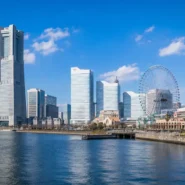
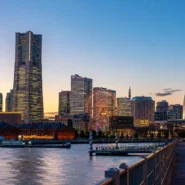
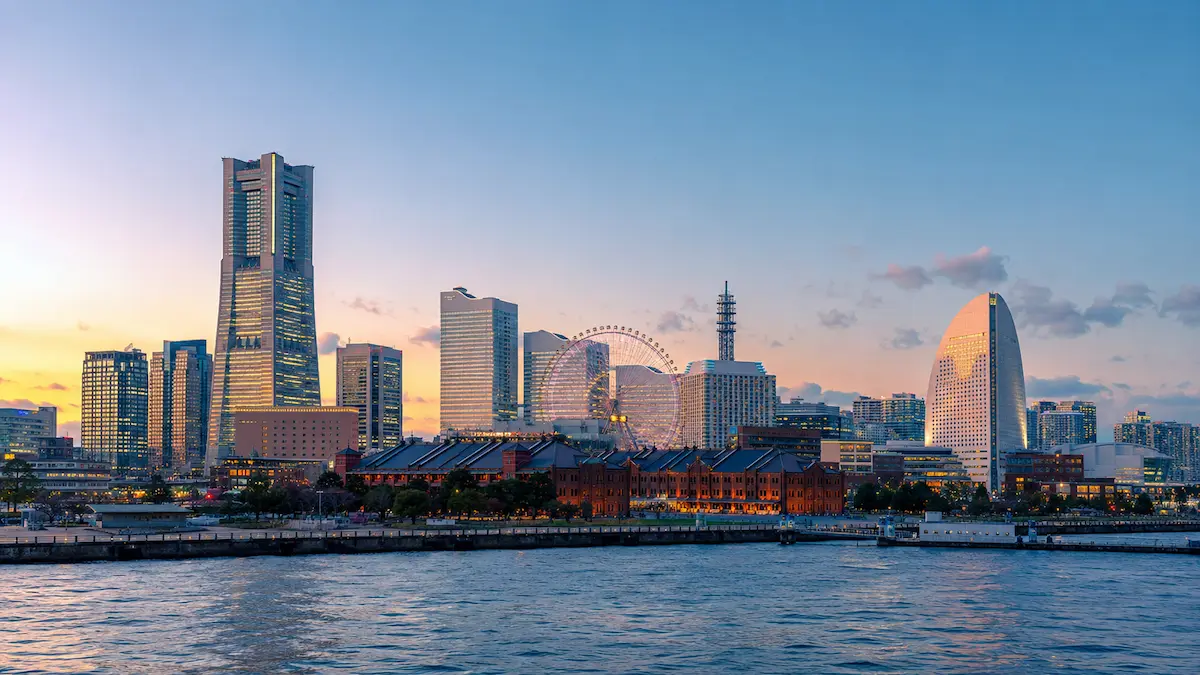
Minato Mirai is the best introduction to Yokohama because it immediately explains the city’s scale: wide promenades, water on multiple sides, tall hotels, ferries, museums and long sightlines. The trap is thinking the skyline itself is one attraction. It is better treated as connective scenery between specific stops.
✅ What Other Travelers Say: Visitors repeatedly praise the clean waterfront, nighttime illumination and family-friendly walking environment. The AIR CABIN is often described as short but memorable, especially at dusk.
⚠️ The Catch (Things to Keep in Mind): AIR CABIN fares are high for the distance, weather can affect operations and queues may form even when you hold a QR ticket. Ride it once for the view, then continue walking forward.
My honest take: excellent as part of a route, weak as a destination by itself. Do not waste an hour circling shopping centers unless shopping is genuinely one of your priorities.
📍 Stop 2: CUPNOODLES MUSEUM YOKOHAMA
Tags: Hands-on • Rainy-day winner • Families • Food history • Timed activities
This is one of Yokohama’s strongest paid attractions for families and one of its most misunderstood. The museum admission is inexpensive, but the experience most people picture — designing a custom cup — is a separate activity with its own timed capacity. The longer Chicken Ramen Factory is a different workshop again.
✅ What Other Travelers Say: Travelers commonly praise the custom-cup souvenir, colorful history displays and the way the museum works for children and adults. The founder story and theater often exceed expectations for visitors who assumed the place would be a simple brand promotion.
⚠️ The Catch (Things to Keep in Mind): weekends can feel hectic, workshop slots can disappear and the museum is closed on Tuesdays unless a holiday shifts the closure. People who skip the hands-on activity may find the visit shorter than expected.
My honest take: worth prioritizing if you enjoy interactive attractions. Arrive early, understand which workshop you are actually booking and avoid promising children a custom cup before confirming capacity.
📍 Stop 3: Yokohama Red Brick Warehouse and Osanbashi Pier
Tags: Free exterior • Heritage architecture • Shopping • Events • Best sunset pairing
The Red Brick Warehouse photographs beautifully and anchors Yokohama’s harbor identity, but its interior is primarily shops, cafés and event space. Osanbashi provides the more impressive free panorama, which is why the two should be treated as one late-afternoon sequence rather than separate headline attractions.
✅ What Other Travelers Say: Visitors like the architecture, harbor atmosphere, seasonal markets and evening lighting. Osanbashi is regularly praised as a spacious, free viewpoint for the Minato Mirai skyline and cruise ships.
⚠️ The Catch (Things to Keep in Mind): Red Brick can feel underwhelming when no event is running and overwhelming when a major event is running. Wind on Osanbashi can be strong, and the rooftop’s long ramps add more walking than the map suggests.
My honest take: never pay for a tour simply to “see” the exterior. Visit independently, check the event calendar and protect sunset for Osanbashi rather than spending it inside a souvenir shop.
📍 Stop 4: Yamashita Park, Chinatown, Motomachi and Yamate
Tags: Classic Yokohama • Food • Port history • Hills • Free heritage houses
This is the day that delivers Yokohama’s strongest history and personality, but it is also the easiest day to ruin. The waterfront is flat, Chinatown is dense, Motomachi is linear and Yamate rises sharply behind it. A good route respects those changes instead of wandering between them.
✅ What Other Travelers Say: Chinatown is praised for scale, energy and restaurant choice, while Yamashita Park and the heritage houses offer welcome breathing room. Many visitors enjoy how quickly the atmosphere changes from Chinese gates to European-style villas.
⚠️ The Catch (Things to Keep in Mind): Chinatown can be intensely crowded and commercial, and not every buffet or street snack is good value. Yamate’s hills are underestimated. Several houses close on different Wednesdays, so building a rigid checklist is unwise.
My honest take: eat one proper meal, choose two or three heritage stops and use Marine Tower only when visibility is good. Trying to enter every house and sample every snack turns a rich district into a tiring box-ticking exercise.
📍 Stop 5: Sankeien Garden
Tags: Japanese garden • Historic buildings • Seasonal scenery • Quiet morning • Uneven paths
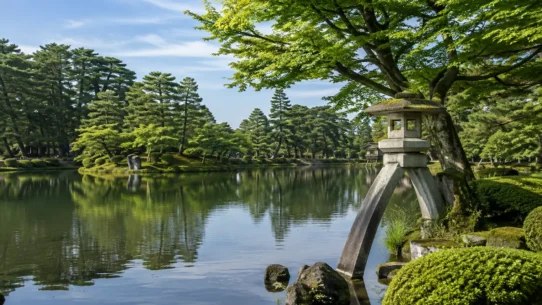
Sankeien is the right antidote to two dense urban days. It combines a large garden with relocated historic buildings, ponds and seasonal planting, but it is not a quick ornamental garden beside a station. The bus journey and the internal distances require time.
✅ What Other Travelers Say: Visitors frequently praise the peaceful atmosphere, seasonal flowers, pond reflections and the sense of discovering traditional architecture away from central crowds. Many consider it worth the extra transport.
⚠️ The Catch (Things to Keep in Mind): access is slower than the city-center attractions, some buildings are not always open internally, and the most photogenic elevated points require slopes or steps. Summer heat and rain magnify the effort.
My honest take: arrive at opening and give it at least two hours. Skip it only when weather is poor, mobility is limited or your trip is so short that the bus journey would displace your core waterfront day.
Key FAQs
What is the best 3-day Yokohama itinerary for first-time visitors?
Spend Day 1 in Minato Mirai and the Shinko waterfront, Day 2 in Yamashita Park, Chinatown, Motomachi and Yamate, and Day 3 at Sankeien followed by a flexible port-history or Noge afternoon. This grouping minimizes cross-city transfers and keeps the steepest walking to one controlled section.
Where should I stay in Yokohama for a three-day trip without wasting time on transport?
Sakuragicho is the best all-round base for this itinerary. Kannai or Nihon-Odori is often better for restaurants and value, while Yokohama Station is strongest for airport and onward transport. Avoid choosing Shin-Yokohama solely because the name sounds central; it is the Shinkansen district, not the main waterfront sightseeing base.
Do I need to book Yokohama attractions in advance?
Book the Chicken Ramen Factory, and consider QR tickets for Marine Tower or AIR CABIN during busy periods. My CUPNOODLES Factory needs a timed numbered ticket and can sell out. Standard Sankeien admission, Hikawa Maru, Red Brick Warehouse, Osanbashi, parks and most Yamate houses are usually fine without advance booking. Always recheck official rules for your date.
Final Verdict and Your Next Step
The perfect Yokohama trip is not the one with the most pins on Google Maps. It is the one that lets you enjoy the harbor at the right time of day, eat before the worst Chinatown crowds, climb Yamate only once and visit Sankeien without watching the clock every five minutes.
Use this three-day structure as your backbone, then remove one optional stop whenever weather, jet lag or family energy demands it. Keep CUPNOODLES MUSEUM early, Osanbashi late, Chinatown outside peak lunch and Sankeien at opening. Most importantly, do not build your trip around the currently closed Landmark Tower Sky Garden or an old ticket page that has not been updated.
For the few attractions where an e-ticket genuinely helps, compare current prices and inclusions before buying:
- Compare the Klook Pass Yokohama
- Book Yokohama Marine Tower on Klook
- Book the Yokohama Marine Tower QR ticket on KKday
- Book AIR CABIN and Cosmo Clock 21 on KKday
- Book Sankeien Garden admission on KKday
Buy only after confirming the date, operating hours, cancellation terms and whether the ticket is actually included in your route. A smart Yokohama itinerary saves more money by avoiding unnecessary transport, duplicate viewpoints and bad timing than by collecting every possible pass.
Official pages to recheck before departure: CUPNOODLES MUSEUM YOKOHAMA, YOKOHAMA AIR CABIN, Yokohama Red Brick Warehouse, Yokohama Marine Tower, NYK Hikawa Maru, Sankeien Garden, and Yokohama Official Visitors Guide transport information.