
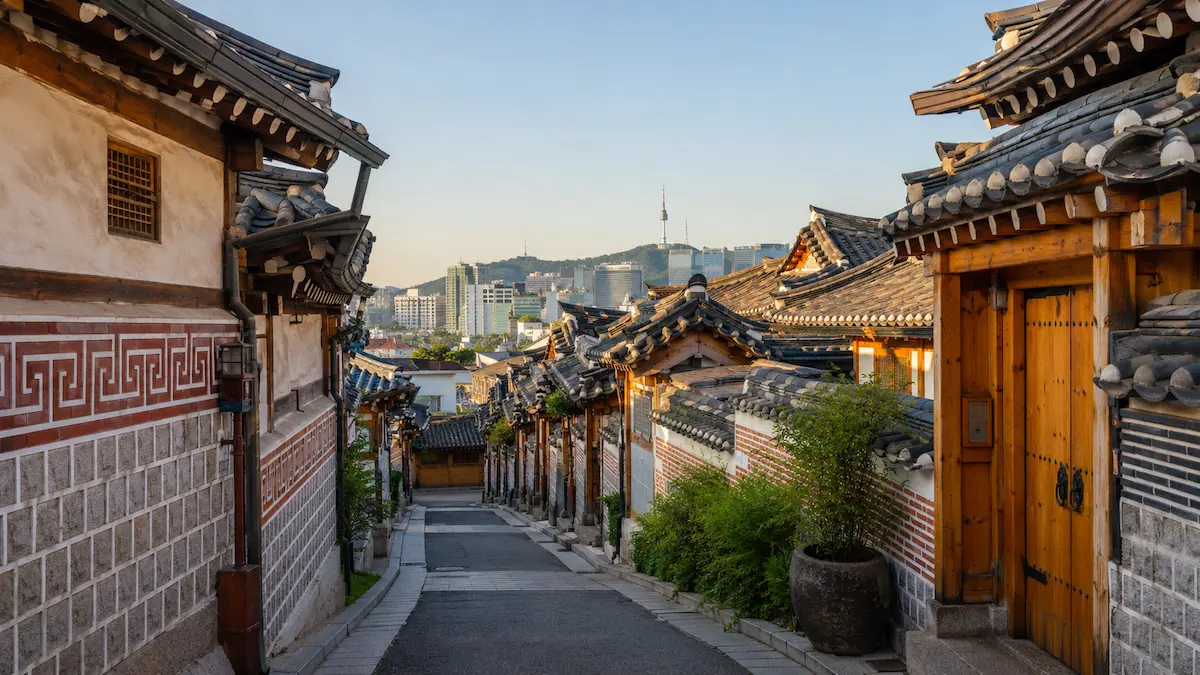
💡 Key Takeaways
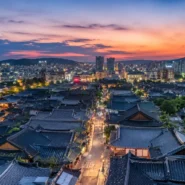
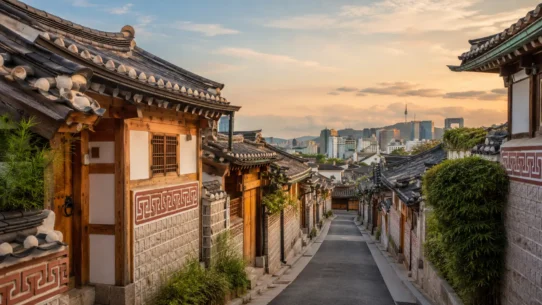
- Do not treat Jeonju like a city where every famous sight belongs in one walking loop. The Hanok Village historic core is compact, but Deokjin Park and Palbok Art Factory sit in a different part of the city and deserve their own half-day.
- Keep the steepest stops for Day 2. Omokdae and Jaman Mural Village look close to the flat Hanok Village streets on a map, but the stairs and uphill lanes feel very different once your legs are tired.
- Book your intercity train before you obsess over attraction tickets. Most classic Jeonju sights are free or easy to enter on-site; popular KTX departures are the part of the trip that can genuinely wreck your schedule if they sell out.
- Do not build your dinner plan around Nambu Market Night Market unless you are there on Friday or Saturday. The official 2026 tourism page lists the night market on those two evenings, while operating hours may be adjusted for events or seasons.
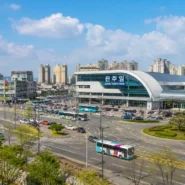
- Stay near the Hanok Village edge or central Jeonju if sightseeing efficiency matters. Jeonju Station is useful for an early train, but it is not the best sightseeing base for three days.
If you are planning your first 3-day Jeonju itinerary, the biggest mistake is assuming that “small city” means “put everything on one day.” Jeonju is easy to enjoy, but surprisingly easy to plan badly. The historic core around Jeonju Hanok Village is walkable; the eastern hillside adds stairs and gradients; and the northern attractions require a real bus or taxi ride. Add a suitcase, a summer afternoon, a weekend crowd, or a Monday closure, and a Pinterest-perfect list can become a slow-motion itinerary collapse. The route below is deliberately less aggressive. It prioritizes geography, opening patterns, crowd flow, meal timing and your actual energy level instead of chasing a maximum attraction count.
The 1-Min Cheat Sheet
- Jeonju Hanok Village + Gyeonggijeon Shrine
Best for: first-time visitors, history lovers, hanbok photos and anyone who wants the essential Jeonju experience.
Suggested stay: 3–4 hours for the village core, including roughly 60–90 minutes at Gyeonggijeon if you enjoy history.
Tickets: Hanok Village itself is free; Gyeonggijeon currently lists adult admission at KRW 3,000 on the official Jeonju tourism site.
Main transport: taxi or city bus from Jeonju Station, then walk.
Reservation: generally not required for ordinary admission.
Best time: 09:00–11:00 for calmer lanes, then return around dusk for atmosphere.
Biggest catch: the main shopping streets can feel commercial and crowded on weekends; the quieter side alleys are often more rewarding. - Jeondong Cathedral + Pungnammun Gate + Nambu Market
Best for: architecture fans, food-focused travelers and visitors who want an easy, mostly flat cluster.
Suggested stay: 2–3 hours excluding a long meal.
Tickets: the exterior sights and market are free; cathedral access is subject to worship and church rules.
Main transport: walk from Gyeonggijeon; these stops belong together.
Reservation: no normal sightseeing reservation needed.
Best time: late morning for the cathedral and gate; early lunch for Nambu Market; Friday/Saturday evening if the night market is a priority.
Biggest catch: do not assume the night market runs every night, and do not enter or wander through the cathedral during Mass as if it were a normal photo attraction. - Jeonju Hyanggyo Confucian School
Best for: travelers who want a quieter heritage stop, photographers and K-drama-location fans.
Suggested stay: 45–75 minutes.
Tickets: free admission is commonly listed by Jeonju tourism information.
Main transport: walk from the eastern side of Hanok Village or take a short taxi if mobility is limited.
Reservation: not normally required for a self-guided visit.
Best time: shortly after opening or late afternoon, especially in autumn when the ginkgo trees are a major draw.
Biggest catch: closed on Mondays; official seasonal hours are 09:00–18:00 from March to October and 10:00–17:00 from November to February. - Omokdae + Jaman Mural Village
Best for: viewpoint seekers, photographers and travelers who do not mind stairs and sloping lanes.
Suggested stay: 1.5–2 hours combined.
Tickets: free.
Main transport: walk from the eastern Hanok Village; no separate transit is worthwhile once you are nearby.
Reservation: no.
Best time: morning before summer heat, or later afternoon for softer light.
Biggest catch: this is the deceptively tiring part of the classic route. Jaman is small and traveler opinions are mixed, so treat it as optional rather than a sacred must-do. - Deokjin Park + Palbok Art Factory
Best for: repeat Korea visitors, slow travelers, design lovers and anyone who wants to see Jeonju beyond the Hanok Village.
Suggested stay: about 1.5–2 hours at Deokjin Park and 1.5–2 hours at Palbok Art Factory.
Tickets: Deokjin Park is free; Palbok’s general cultural spaces often have free access, while specific programs or exhibitions can have separate conditions.
Main transport: city bus or, more efficiently for two or more people, taxi between the historic center, Deokjin and Palbok.
Reservation: usually unnecessary for casual visits; workshops or special programs may require booking.
Best time: Deokjin in the morning or around sunset; Palbok after its 10:00 opening.
Biggest catch: lotus expectations are seasonal. If you come outside the bloom period, enjoy the lake and hanok-style library rather than expecting the postcard sea of flowers. Palbok is closed on Mondays.
Tourist Traps to Avoid & Itinerary Hacks
- Trap #1: Hanok Village + Jaman + Deokjin Park + Palbok Art Factory in one “efficient” day. It looks possible because none of these places is wildly far away by big-city standards. The problem is direction. Hanok Village and Jaman form a southern/eastern cluster; Deokjin and Palbok belong to the north/northwest. Put them together and you burn energy on transfers exactly when you should be enjoying the city.
- Trap #2: Staying beside Jeonju Station because the hotel map looks convenient. This only makes sense if catching an early train matters more than evening walks. For a sightseeing-heavy stay, the Hanok Village edge or central Jeonju is usually more practical. From the station, plan on a bus or taxi rather than a luggage-loaded walk.
- Trap #3: Treating Jaman Mural Village as non-negotiable. Some travelers enjoy the colorful hillside lanes; others find it underwhelming compared with the Hanok Village itself. The smart move is to place it after Omokdae and give yourself permission to skip it if the weather is bad or your legs are done.
- Trap #4: Climbing Omokdae at the hottest point of the day. The elevation is not mountain-hike territory, but stairs plus humidity plus a full morning of walking can make it feel much harder than the map suggests. Go earlier and save the flat shopping streets for later.
- Trap #5: Assuming Nambu Night Market is a nightly dinner solution. The current official 2026 information lists it on Friday and Saturday. Build a backup dinner plan for every other night.
- Trap #6: Buying a rail pass just because “KTX pass” sounds convenient. If Jeonju is your only intercity side trip, compare the price of individual train tickets with the pass before paying. A KORAIL PASS becomes more compelling when you are chaining several Korean cities together, not automatically for one return journey.
- Trap #7: Expecting every heritage site to stay open late because the village streets are accessible at night. The neighborhood can be enjoyed after dark, but museums, cultural facilities and Hyanggyo have real closing times. Do your ticketed or time-limited sights first; save strolling, cafés and night views for later.
- Trap #8: Planning a Monday without checking closures. Jeonju Hyanggyo and Palbok Art Factory are both normally closed on Mondays. If one of your three days is Monday, use that day for Hanok Village streets, Deokjin Park, food, markets and outdoor sights, then move the closed facilities to another day.
- Hack: use taxis selectively, not constantly. Inside the Hanok Village core, walking wins. Between the southern historic area and northern Jeonju, a taxi can save enough time and energy to be worth the modest extra cost, especially for two or more travelers.
- Hack: use NAVER Map for local routing. Jeonju’s official tourism site specifically recommends it for real-time bus, walking and operating-hour information. Do not rely on a static screenshot saved weeks before your trip.
The Perfect 3-Day Itinerary at a Glance
Day 1: Historic Jeonju — Pungnammun, Nambu Market, Jeondong Cathedral, Gyeonggijeon & Hanok Village
Geographic theme: the flat western and central historic core. This is the right first day because almost everything is walkable once you arrive, which minimizes transport stress while you are still learning the neighborhood.
- Suggested start: 09:00. If you arrive from Seoul that morning, aim to be luggage-free and in the historic core by roughly 10:30–11:00 rather than pretending your train arrival time is your sightseeing start time.
- Order: Pungnammun Gate → Nambu Market → Jeondong Cathedral → Gyeonggijeon Shrine → Hanok Village side streets → Taejo-ro and café break → evening Hanok Village stroll. If Friday or Saturday, return to Nambu Market after 17:00 for the night market.
- Between stops: walk. Paying for buses or taxis inside this cluster creates more waiting than saving.
- Walking/effort: roughly 5–7 km depending on how much you browse. Mostly easy, but expect uneven paving, curbs and traditional-style stone surfaces in places.
- Lunch strategy: eat before the peak queue window if you can. Jeonju is a food city; do not turn lunch into a two-hour hunt for the one restaurant that appears on every social feed. Pick a place with a clear menu and good local turnover, and save street snacks for grazing rather than replacing a proper meal.
- Easiest cut: Pungnammun as a dedicated stop. You will still see it naturally if moving between the market and cathedral area.
- Rain/low-energy backup: shorten the outdoor lane wandering, spend more time in covered Nambu Market and use indoor museums/cultural facilities around the Hanok Village. Check Monday closures before choosing a museum.
Why this works better: many online itineraries put Omokdae and Jaman on Day 1 because they are “next to” Hanok Village. Technically true, physically misleading. Keeping Day 1 flatter means you can enjoy the historic core without turning the afternoon into a staircase test.
Day 2: Eastern Hanok Village — Jeonju Hyanggyo, Omokdae, Jaman Mural Village & Jeonjucheon
Geographic theme: the quieter eastern and hillside edge of the Hanok Village. This is the day for stairs, viewpoints and slower lanes.
- Suggested start: 08:30–09:00, especially from June through September.
- Order: Jeonju Hyanggyo → quiet Gyo-dong lanes → Omokdae → Jaman Mural Village → café/rest break → descend toward Jeonjucheon → Namcheongyo/Cheongyeonru area near sunset.
- Between stops: mostly walk. Use a short taxi to Hyanggyo at the start if your hotel is farther west or if you are traveling with someone who should conserve energy.
- Walking/effort: roughly 4–6 km, but call it moderate rather than easy because the elevation, steps and narrow hillside lanes matter more than the raw distance.
- Lunch strategy: either eat near the eastern Hanok Village before the climb or descend back toward the denser restaurant area after Jaman. Do not climb hungry in summer and then discover the exact café you saved is closed.
- Easiest cut: Jaman Mural Village. Omokdae gives you the historic viewpoint context; Jaman is the optional add-on.
- Rain/low-energy backup: skip the hillside entirely. Replace it with a craft museum, traditional-culture facility or long lunch/tea stop in the Hanok Village, then take a short riverside walk only if the rain eases.
Why this works better: Hyanggyo, Omokdae and Jaman all sit on the eastern side of the historic area, so you make one directional sweep instead of repeatedly crossing Taejo-ro. More importantly, you tackle the climbing while your legs are fresh instead of after a full day of shopping and food stops.
Day 3: Northern Jeonju — Deokjin Park, Yeonhwajeong Library & Palbok Art Factory
Geographic theme: local, modern and creative Jeonju north of the Hanok Village. This is the decompression day: fewer “must-see” monuments, more space, water and industrial arts.
- Suggested start: 09:00 at Deokjin Park. Palbok Art Factory normally opens at 10:00, so the park is the natural first stop.
- Order: Deokjin Park → Yeonhwagyo Bridge → Yeonhwajeong Library → early lunch around the Deokjin/Jeonbuk National University area → Palbok Art Factory → return to hotel or continue to the station.
- Between stops: bus is the budget choice; taxi is the efficiency choice. This is the day where paying for one or two taxi hops often makes more sense than obsessing over a multi-transfer bus route.
- Walking/effort: roughly 3–5 km, generally easy and flatter than Day 2.
- Lunch strategy: eat in northern Jeonju rather than commuting all the way back to Hanok Village for a famous restaurant. That return trip is exactly the kind of unnecessary backtracking this itinerary avoids.
- Easiest cut: Palbok Art Factory if contemporary art is not your thing, or Deokjin Park outside lotus season if your departure time is tight.
- Rain/low-energy backup: make Palbok Art Factory the main event and keep Deokjin to a short library/bridge look. If Palbok is closed, use a central indoor cultural stop instead and treat Day 3 as a food-and-café buffer day.
Why this works better: Deokjin Park and Palbok belong to a different transport zone from the Hanok Village. Grouping them prevents the classic mistake of going north for one attraction, south for lunch, then north again because you forgot another stop.
Save Your Legs! The Most Efficient Route
The logic of this three-day route is simple: Day 1 is flat and historic, Day 2 is hilly and eastern, Day 3 is northern and transit-based. Gyeonggijeon, Jeondong Cathedral, Pungnammun and Nambu Market naturally belong together because walking between them is faster and less annoying than waiting for local transport. Hyanggyo, Omokdae and Jaman should be grouped because they sit on the eastern side and share the same “I need fresh legs” problem. Deokjin Park and Palbok Art Factory belong together because both pull you away from the Hanok Village core.
A popular combination that looks close but is inefficient is Jaman Mural Village + Deokjin Park in the same sightseeing block. The map makes Jeonju look compact; the traveler experience is different. One involves hillside walking east of the Hanok Village, the other requires a northbound ride. Another questionable pairing is Hanok Rail Bike + Palbok + the full Hanok Village on one day. Unless the rail bike is a personal priority, it adds another directional commitment and makes your schedule depend on more transport.
Which mode should you prioritize? Walk inside the Hanok Village and historic core. Use buses for cost-conscious north-south travel when you have time. Use a taxi when the route is awkward, you are carrying bags, it is raining, or two travelers can split the fare. Jeonju’s official transport guidance confirms that major attractions are connected by city buses and also recommends taxis when routes are ambiguous. There is no reason to prove your budget-traveler credentials by spending 35 minutes protecting a tiny fare difference while your afternoon disappears.
Where are the difficult surfaces? The most obvious problem is the Omokdae/Jaman segment: uphill lanes, stairs and uneven ground. Hanok Village itself is not a mountain walk, but stone paving and curbs can still be annoying with a large suitcase, wheelchair or stroller. If you are traveling with a stroller, borrowable wheelchairs/strollers are listed at some Jeonju tourist information facilities, but hillside Jaman remains a poor choice for a large wheeled setup.
Where should you stay? For most first-time visitors, the Hanok Village edge is the best sightseeing base: you can walk to the core early and again after day-trippers leave. The downside is that traditional hanok accommodation can mean floor bedding, smaller rooms, sound sensitivity and less convenient vehicle access depending on the exact property. Central Jeonju around the Gaeksa/Gosa-dong/City Hall side is a strong compromise if you prefer modern hotels, restaurants and easier taxi access while remaining close to the historic area. Jeonju Station is best only when an early departure or late arrival is your top priority; it is not where I would base a three-day sightseeing trip if walking efficiency matters.
Luggage strategy: do not drag a large suitcase through Hanok Village simply because check-in is three hours away. The official Jeonju tourism site lists lockers at multiple visitor facilities. The Jeonju General Tourist Information Center lists 54 lockers in its B1 area, including large sizes, while the Gyeonggijeon Travelers’ Lounge lists additional lockers. Availability is first-come, first-served, so weekends are not the time to assume unlimited space. If your hotel offers pre-check-in or post-check-out storage, that is usually even easier. For baggage delivery, do not assume a Seoul-style or Japan-style station-to-hotel forwarding network is automatically available in Jeonju; arrange courier or hotel-to-hotel forwarding only if your accommodation explicitly confirms it.
Ticket Tips & Skip-the-Line Hacks
Jeonju is exactly where generic “buy every ticket online” advice becomes bad travel advice. Most of the classic route does not need advance admission booking. Hanok Village streets, Pungnammun, Omokdae, Jaman Mural Village and Deokjin Park are free-access sightseeing stops. Jeonju Hyanggyo is also generally free, but its Monday closure and seasonal hours matter more than ticketing. Gyeonggijeon is inexpensive and standard on-site purchase is normally sufficient; the current official Jeonju page lists adult admission at KRW 3,000.
What should you actually book ahead? Your KTX seat if you are traveling on a weekend, public holiday, festival period or a fixed departure schedule. Jeonju’s official transport page says the Seoul–Jeonju KTX trip takes about 1 hour 40 minutes and warns that popular departures can sell out. Official KORAIL booking supports e-tickets, and global platforms can provide digital vouchers. If you are arriving directly from Incheon Airport by limousine bus, the official Jeonju transport guide also describes mobile QR boarding through Tmoney GO for eligible users.
Electronic ticket option: if you genuinely plan to visit enough participating paid facilities, KKday currently lists the Jeonju Hanok Village: Jeonbuk Tour Pass with an e-voucher/mobile ticket. That can be useful for a museum-heavy itinerary, but it is not automatically good value for the route in this article because many of our core stops are already free. Check the currently included facilities before purchase.
There is no magical “skip-the-line” lane for most Jeonju classics. Buying a pass does not make a crowded alley empty, does not let you interrupt Mass at Jeondong Cathedral and does not remove stairs at Omokdae. The real skip-the-line hack is timing: go to Gyeonggijeon near opening, eat before the peak lunch queue, and visit the main Hanok Village streets again in the evening after many day-trippers leave.
Before departure, always re-check the latest official opening hours, closures, worship restrictions and reservation rules. Monday closures are especially important for Hyanggyo and Palbok Art Factory, and event schedules can change normal hours. Nambu Market’s official 2026 night-market page currently lists Friday and Saturday evenings, but older tourism pages show slightly different closing times, so verify your exact date instead of planning around an old screenshot.
Affiliate ticket links — use only if the product fits your trip:
Klook KORAIL PASS: https://www.klook.com/activity/2847-korea-rail-pass-seoul/?aid=1235041
KKday KORAIL PASS: https://www.kkday.com/en/product/2930?cid=24027
KKday Jeonbuk Tour Pass: https://www.kkday.com/en/product/100074?cid=24027
Budget warning: a KORAIL PASS is designed for travelers making multiple intercity rail journeys. If your Korea trip is simply Seoul → Jeonju → Seoul, compare the current individual ticket total against the pass before buying. Convenience is not savings unless the math works.
Tried & Tested: My Honest Review
Editorial transparency: the assessments below combine current official operating information, route-testing logic and recurring traveler feedback. They do not invent first-person anecdotes that cannot be verified. YouTube view counts and embedding permissions can change; the embed URLs below were selected from relevant public videos surfaced during this update, and publishers should re-check playback before final publication.
📍 Stop 1: Gyeonggijeon Shrine & Jeondong Cathedral
Tags: #JoseonHistory #HanbokPhotos #EasyWalking #FirstTimerEssential
These two sights are close enough that separating them makes no planning sense. Gyeonggijeon gives the Hanok Village historical weight; Jeondong Cathedral gives you an architectural contrast that makes the district visually memorable. If you only have time for one paid historical site in central Jeonju, Gyeonggijeon is the easiest one to justify.
✅ What Other Travelers Say: recurring traveler comments praise Gyeonggijeon for quiet corners, shade, architecture and hanbok photos, especially when visited before the main crowd builds. The cathedral is widely treated as a visual landmark rather than a long sightseeing stop.
⚠️ The Catch (Things to Keep in Mind): the main Hanok Village streets around these sights can become busy and commercial. At the cathedral, worship takes priority over sightseeing. At Gyeonggijeon, do not rush straight through the entrance for a photo and leave; the value is in slowing down through the grounds and museum areas.
📍 Stop 2: Nambu Market & Pungnammun Gate
Tags: #JeonjuFood #TraditionalMarket #NightMarket #FlatRoute
This is your practical food-and-history cluster, not a separate expedition. Pungnammun is a short visual stop; Nambu is where you spend the time. If your trip includes Friday or Saturday, the night market can become the evening anchor. On other nights, do not force it—Jeonju has plenty of restaurants outside the market.
✅ What Other Travelers Say: market-focused travelers like the mix of traditional stalls, inexpensive food and the more energetic weekend night atmosphere. The area also works well as a transition between the Hanok Village and Jeonjucheon.
⚠️ The Catch (Things to Keep in Mind): the night market is not nightly. Weekend evenings can also be the busiest time, so anyone expecting a calm local market should visit earlier in the day instead.
📍 Stop 3: Jeonju Hyanggyo Confucian School
Tags: #QuietJeonju #GinkgoSeason #KDramaLocation #SlowTravel
Hyanggyo is the stop I would keep when someone tells me the Hanok Village feels too busy. The site is not about spectacular scale; it is about atmosphere, proportion, old trees and the feeling that you have stepped out of the shopping flow without actually leaving the neighborhood.
✅ What Other Travelers Say: reviews repeatedly describe it as peaceful, scenic and a welcome break from the busier Hanok Village. Autumn gets the most attention because of the ginkgo trees, but the calm architecture works year-round.
⚠️ The Catch (Things to Keep in Mind): it is closed on Mondays, and it is easy to arrive too late if you spend the entire morning shopping. Treat it as a timed heritage site, not an always-open street.
📍 Stop 4: Omokdae & Jaman Mural Village
Tags: #Viewpoint #Stairs #HillsideWalk #OptionalStop
Omokdae is the better reason to climb; Jaman is the bonus. The viewpoint and historical context make the ascent feel connected to Jeonju. Jaman adds color, cafés and narrow lanes, but it is not so large or universally loved that you should sacrifice your knees or a good lunch to see every mural.
✅ What Other Travelers Say: walkers enjoy the rooftop views and the chance to see a quieter hillside texture beyond the main Hanok Village. Photo-focused visitors tend to get more out of Jaman than travelers looking for major historical substance.
⚠️ The Catch (Things to Keep in Mind): traveler reviews of Jaman are genuinely mixed, which is useful information—not a problem to hide. It is uphill, small and can feel less impressive than social-media photos suggest. If the weather is hot, wet or icy, skipping it is a sensible decision.
📍 Stop 5: Deokjin Park & Yeonhwajeong Library
Tags: #LocalJeonju #LotusSeason #EasyWalk #HanokLibrary
Deokjin Park is where the itinerary finally feels like you are visiting Jeonju rather than only visiting its tourism district. The lake, bridge and hanok-style library make it a good reset after two heritage-heavy days. It is especially photogenic around lotus season, but the library and waterside setting still work outside peak bloom.
✅ What Other Travelers Say: many visitors describe the park as peaceful and good for an unhurried walk. The library has become a favorite visual feature. People who visit for the lotus flowers at the right time are far more enthusiastic than people who arrive when the pond is out of season.
⚠️ The Catch (Things to Keep in Mind): seasonal expectation is everything. Some travelers visiting outside the lotus period report disappointment because the park does not resemble peak-summer photos. Do not schedule a cross-city transfer solely for flowers that are not in season.
📍 Stop 6: Palbok Art Factory
Tags: #IndustrialHeritage #ContemporaryArt #RainyDayFriendly #NorthJeonju
Palbok is the stop that prevents this itinerary from becoming three straight days of tiled roofs. The converted industrial setting gives Jeonju a different visual language, and it pairs logically with Deokjin because both justify leaving the historic core.
✅ What Other Travelers Say: art and design-minded travelers tend to appreciate the unusual factory setting, photo spots and rotating cultural programming. Families may also find more to do when participatory programs are operating.
⚠️ The Catch (Things to Keep in Mind): it is not a universal must-see for travelers who only care about traditional Korea. It also closes on Mondays, and specific exhibitions or workshops can have separate schedules. Check what is actually on before crossing town.
Key FAQs
Is 3 days in Jeonju too much for a first-time visitor?
Not if you want a slow, food-focused trip. A fast traveler can cover the famous Hanok Village sights in one day, which is exactly why some people conclude Jeonju only needs a day trip. Three days becomes worthwhile when you use Day 2 for the quieter eastern heritage zone and Day 3 for Deokjin/Palbok instead of repeating the same commercial streets. If your Korea itinerary is short and you prefer high-intensity sightseeing, two days may be enough.
Where should I stay in Jeonju for a 3-day itinerary without a car?
For sightseeing efficiency, choose the Hanok Village edge or central Jeonju rather than Jeonju Station. The Hanok Village edge is best for early and evening walks; central Jeonju is better for modern hotel comfort, food and taxi access. Stay by the station only if train convenience outweighs your desire to walk out of the hotel and immediately start sightseeing.
How do I get from Jeonju Station to Jeonju Hanok Village with luggage?
Take a taxi for the least stressful arrival, or use a city bus if you are traveling light and watching your budget. Do not plan to walk it with a large suitcase just to save a small fare. If your room is not ready, use hotel storage or one of the luggage lockers listed by Jeonju tourist information facilities before entering the old streets.
Final Verdict and Your Next Step
The best first-time Jeonju trip is not the itinerary with the most pins. It is the one that understands the city has three different travel modes: walk the historic core, climb the eastern hillside while fresh, then use transport for northern Jeonju. Follow that rule and three days feels relaxed rather than repetitive.
Before you travel, lock in the part that can actually sell out: your intercity train. Then check the latest official opening hours for Hyanggyo, Palbok Art Factory, Gyeonggijeon and any museum you care about. If you will use several paid attractions, compare the Jeonbuk Tour Pass with buying individual admissions. If you are traveling around Korea by KTX across multiple cities, compare KORAIL PASS pricing with point-to-point tickets before paying.
Book/check before departure:
Klook KORAIL PASS: https://www.klook.com/activity/2847-korea-rail-pass-seoul/?aid=1235041
KKday KORAIL PASS: https://www.kkday.com/en/product/2930?cid=24027
KKday Jeonbuk Tour Pass: https://www.kkday.com/en/product/100074?cid=24027
One last anti-trap reminder: buying a QR code is useful only when it saves real time or money. For Jeonju’s free outdoor sights and simple on-site admissions, the smarter move is usually to spend your planning energy on train seats, weather, Monday closures, luggage and crowd timing.
Source Check & Update Note
This guide was fact-checked against current Jeonju City tourism information, Korea Tourism Organization listings, current Klook/KKday product pages and recent traveler feedback available at the time of update. Operating hours, worship access, event schedules, transit frequency and ticket products can change, so verify time-sensitive details again shortly before travel.