
💡 Key Takeaways
- A realistic solo Suwon travel budget starts at roughly ₩70,000–₩110,000 (about US$50–78) per day including basic accommodation. Mid-range travelers should plan closer to ₩140,000–₩230,000 (about US$99–163), while a comfortable trip can easily reach ₩260,000–₩450,000+ (about US$184–319+) per day.
- Suwon’s major historical sights are not what usually wreck the budget. Suwon Hwaseong Fortress is free, and several paid attractions are inexpensive. The bigger traps are badly located hotels, repeated taxi rides, Seoul–Suwon backtracking, airport transfers, cafés, late-night food, shopping and “just one more” paid experience.
- Do not import Tokyo budgeting rules into Suwon. Korea uses KRW, not JPY; JR Pass is irrelevant; and Japan’s Golden Week is not a Korean public-holiday period. For Suwon, watch Korean holidays, weekends, cherry-blossom demand and especially autumn festival dates around Hwaseong.
Building a useful Suwon travel budget is less about finding one magical “average daily cost” and more about understanding where your money will actually leak. A cheap room can become expensive if it forces two extra bus rides and a taxi every day. A low-cost day around Hwaseong can suddenly double after café hopping, shopping at Starfield, a late dinner and a missed last train. And a Seoul-based traveler may spend less on accommodation overall but more on commuting, tours and lost time.
This guide is designed as a working budget rather than a tourism-board fantasy. It breaks down realistic accommodation, food, transport, airport transfer and sightseeing costs; shows how neighborhoods and seasons change the numbers; explains hidden costs such as luggage storage, card fees and late-night taxis; and gives practical ways to keep spending under control without turning the trip into a test of endurance.
Price-check note: The figures below were checked against current 2026 travel and booking information available in August 2026. For simple USD comparisons, this guide uses roughly ₩1,410 = US$1. Exchange rates, hotel prices and promotional fares move constantly, so treat USD figures as planning estimates rather than fixed conversion quotes.
The 1-Min Cheat Sheet
- Budget Traveler: ₩70,000–₩110,000 per day (about US$50–78), including accommodation.
This assumes a guesthouse, basic motel or low-cost hotel room around ₩45,000–₩70,000; inexpensive Korean meals or convenience-store breakfasts; mostly buses, subway and walking; and low-cost attractions. It works best for travelers who group sights by area and do not rely on taxis at night. - Mid-Range Traveler: ₩140,000–₩230,000 per day (about US$99–163), including accommodation.
This is a more comfortable target for a solid business or three-star hotel, two proper restaurant meals, café stops, normal public transport, an occasional taxi and a few paid attractions or experiences. For most first-time visitors who do not want to calculate every coffee, this is the safest range. - Comfortable Traveler: ₩260,000–₩450,000+ per day (about US$184–319+), including accommodation.
This covers a higher-end hotel, more taxi use, nicer restaurants, drinks, shopping flexibility and paid tours or experiences. The upper end rises quickly if you choose four-star international brands, private tours, spa facilities, multiple cafés or a theme-park day.
These daily budgets are best used per solo traveler. Couples sharing one room can often reduce the per-person accommodation cost substantially. International flights, major shopping, Everland or other theme-park tickets, private tours and long-distance KTX journeys to other Korean cities should normally sit in separate budget categories instead of being buried inside your standard Suwon daily allowance.
How Much Does Suwon Really Cost? A Practical Breakdown
Accommodation: usually ₩45,000 to ₩250,000+ per room
Accommodation is the biggest variable in most Suwon budgets. Current 2026 booking results show basic rooms in the US$30–40 range on some dates, mid-priced options around US$60–80, and better-known four-star properties frequently above US$100, with premium international hotels sometimes much higher. That translates into a useful planning framework of roughly ₩45,000–₩70,000 for a basic room, ₩80,000–₩140,000 for a comfortable mid-range room, and ₩150,000–₩250,000+ for higher-end accommodation.
The room rate alone is not enough. Check whether breakfast is included, whether the hotel is near a useful station or bus corridor, how far it is from Hwaseong and Haenggung-dong, and whether you will need taxis after dinner. A ₩15,000 room saving is meaningless if you spend ₩8,000–₩15,000 extra every day getting to and from the area you actually want to explore.
Food: roughly ₩20,000 to ₩130,000+ per day
Suwon can be very manageable for food if you eat like a normal person rather than treating every meal as a social-media mission. A simple local restaurant meal is often around the ₩10,000 mark, while convenience-store lunch boxes commonly sit in the low-thousands of won. Coffee, bakery stops, desserts and late-night snacks are the real budget creep because they feel too small to track individually.
- Lean food budget: ₩20,000–₩35,000/day. Convenience-store breakfast, one inexpensive restaurant meal, simple dinner or market food, limited café spending.
- Normal mid-range food budget: ₩40,000–₩70,000/day. Two proper meals, breakfast or snack, one café stop, occasional dessert or drink.
- Comfortable food budget: ₩80,000–₩130,000+/day. Better restaurants, Korean barbecue, drinks, specialty cafés, desserts and no need to constantly choose the cheapest menu item.
Local transport: usually ₩5,000 to ₩30,000 per day
The Seoul Metropolitan Subway base fare is currently ₩1,550 with a transit card before distance supplements, and Suwon is connected to the wider metropolitan transport network. A traveler who groups attractions intelligently can often keep ordinary daily transit in the ₩5,000–₩10,000 range. Add cross-city movements, express buses or taxis and the number can climb to ₩15,000–₩30,000+.
A T-money card is usually the easiest default for short-term visitors because it works across much of Korea’s public transport and provides transfer benefits. The card itself commonly costs around ₩3,000–₩5,000 before adding stored value. Do not automatically buy a Seoul transport pass and assume Suwon is covered: pass validity can depend on the operator, line and station.
Airport transfer: budget separately from your normal day
The direct airport limousine between Incheon International Airport and Suwon is a useful benchmark. Suwon Cultural Foundation currently lists an adult fare of ₩12,000 one way for its airport-bus guidance. Because airport routes, boarding points and fares can change, verify your exact route shortly before travel.
The cheapest route on paper is not always the best value. A rail-and-subway combination can be inexpensive, but after a long flight, carrying a 25 kg suitcase through multiple transfers to save a few thousand won may be a poor trade. For families or groups, compare the total cost of multiple bus tickets against a taxi or pre-booked transfer rather than assuming “public transport” automatically means “best.”
Attractions: Suwon is unusually forgiving
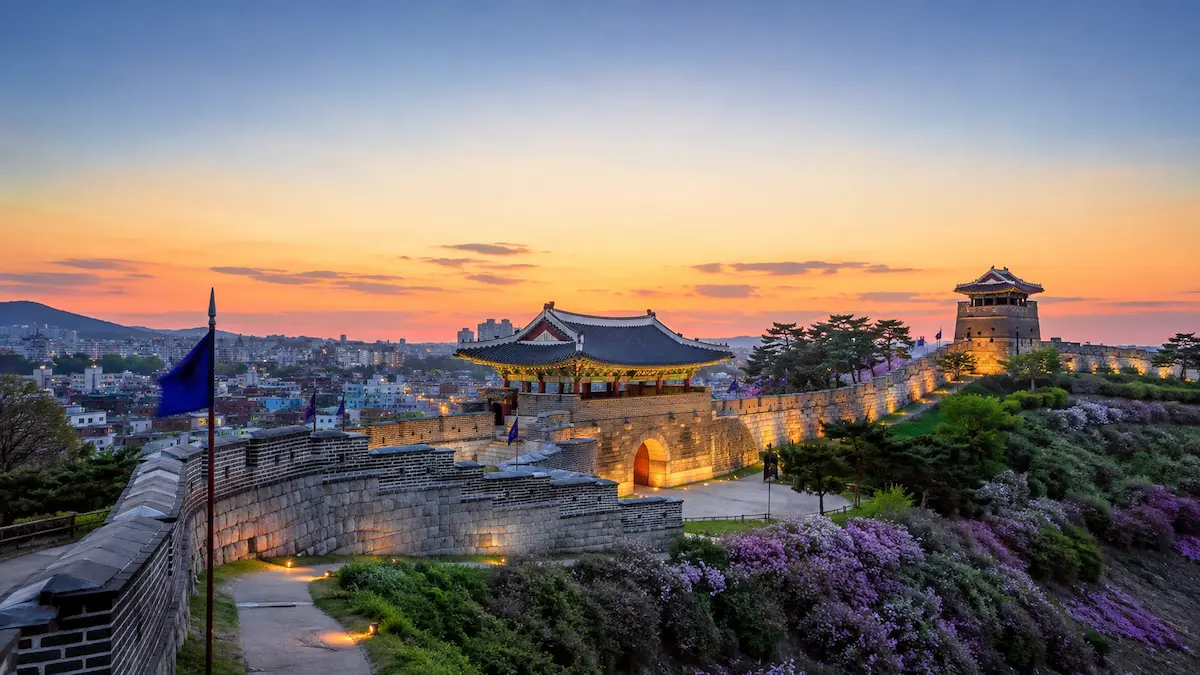
This is where Suwon earns points as a budget destination. Suwon Hwaseong Fortress is free to visit. Hwaseong Haenggung Temporary Palace is currently ₩2,000 for an adult, the Hwaseong Tourist Trolley is ₩6,000 for an adult, and Flying Suwon is ₩20,000 for an adult. You can therefore build a full historical day with very little mandatory admission spending, then decide which paid experiences are actually worth adding.
That also creates a psychological trap: after “saving” on entry fees, travelers often justify extra cafés, souvenirs, taxis and snacks. Give yourself a fixed discretionary amount rather than treating the free fortress as permission to spend without limits.
Where You Stay Can Change Your Suwon Travel Budget
Suwon Station: best for connections and short stays
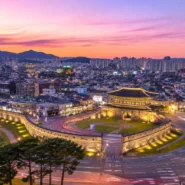
Suwon Station is the practical choice if your itinerary includes Seoul, KTX or regional rail connections. You have strong transport links, plenty of food and shopping, and less friction on arrival and departure days. The downside is that you are not directly inside the Hwaseong sightseeing core, so you will still need bus, taxi or a longer walk to reach Haenggung-dong and the fortress area.
Best for: one-night stays, rail-heavy itineraries, travelers with luggage and visitors combining Suwon with other Korean cities.
Haenggung-dong and Paldal-gu: best for sightseeing efficiency
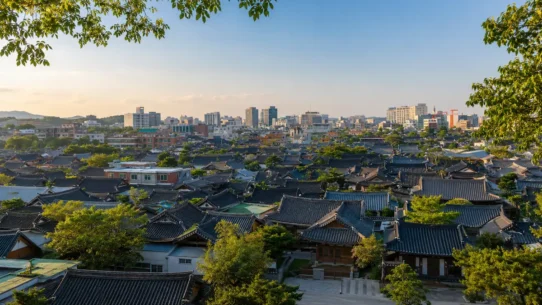
If the fortress, Hwaseong Haenggung, cafés and historic streets are the heart of your trip, staying near Haenggung-dong can reduce local transport and make it easier to enjoy Suwon before the day-trip crowds arrive or after they leave. You may pay a little more for a desirable weekend stay, but you can recover part of that cost by walking more and using fewer taxis.
Best for: first-time sightseeing, photography, slow travel and travelers who value walking over station convenience.
Ingye-dong: better for nightlife and dining
Ingye-dong has a wide range of hotels, restaurants and nightlife. It can offer strong room value, but if your priority is the fortress, do not assume a cheap room automatically produces a cheap trip. Add the round-trip taxi or bus cost into the nightly comparison.
Best for: travelers who care more about restaurants, bars and evening activity than waking up next to the fortress.
Gwanggyo: comfortable but not automatically budget-friendly
Gwanggyo is modern and convenient for business, shopping and newer hotels, but it is not the obvious base for a fortress-centered itinerary. If you stay there because of a good hotel deal, calculate the cost and time of getting to central Suwon each day. A beautiful discounted hotel can still be the wrong budget choice if your sightseeing is on the other side of the city.
Top Budget Survival Tips
- Compare the hotel’s total “movement cost,” not just the room rate.
Before booking, estimate how many times you will travel between the hotel and your main sightseeing zone. Add likely bus/subway fares, one or two taxi rides, and the effort of moving luggage. For a two-night trip, paying ₩10,000–₩20,000 more for a strategically located hotel can be cheaper than choosing a bargain room that creates extra transport every morning and night. - Do not buy a transport pass until you map your actual rides.
Suwon travelers often mix local buses, metropolitan subway, standard rail and occasionally KTX. A Seoul-focused unlimited pass does not automatically cover every Suwon journey. Count your likely trips first. For a light sightseeing day, pay-as-you-go T-money can be cheaper and more flexible than buying a pass you feel pressured to “use enough.” - Choose airport transport based on luggage and transfers, not the lowest fare.
A direct airport limousine can cost more than the absolute cheapest rail combination, but it may save transfers and reduce the chance of getting stuck with large luggage. If you are traveling with children, older relatives or multiple suitcases, calculate the physical cost as well as the cash cost. - Treat cherry-blossom weekends, Korean public holidays and major Suwon festivals as price-risk periods.
Hotel supply can tighten around popular spring weekends and autumn cultural events. In 2026, Suwon’s autumn event calendar includes major programs around late September and early October. Search your dates against local festivals before assuming the hotel rate you saw on a random weekday is representative. - Give theme-park days their own budget.
Everland is in nearby Yongin, not central Suwon, but many travelers combine it with a Suwon stay. A theme-park day includes admission, transfers, food, drinks, lockers and impulse purchases. A sensible separate allowance is often ₩80,000–₩150,000+ per person, depending on ticket deals and transport. Do not try to squeeze that into an ordinary ₩70,000 Suwon sightseeing day. - Use convenience stores strategically, not automatically.
Convenience-store dosirak, triangle gimbap and simple breakfasts are useful budget tools, especially on early-start days. But three convenience-store visits plus drinks and novelty snacks can cost more than one satisfying local meal. Use them to replace a meal or solve a timing problem, not as a permanent grazing station. - Check supermarkets and department-store food halls later in the day.
Fresh prepared food is sometimes marked down toward closing time. The exact timing and discount vary by store, so do not build your entire dinner plan around a guaranteed markdown. The smart approach is to look when you are already nearby and buy only if the discounted food genuinely replaces another meal. - Plan Suwon by zones, not by individual attractions.
Group Hwaseong Fortress, Haenggung-dong, Paldalmun and nearby markets into one walking-focused block. Keep Starfield Suwon or Gwanggyo-based activities in their own block. Repeatedly crossing the city because you scheduled “the best café” between distant attractions burns both cash and sightseeing time. - Walk when the route is part of the experience; ride when walking only creates fatigue.
Walking the fortress and Haenggung-dong makes sense because the streets, walls and gates are the attraction. Walking an uninspiring 35-minute connector just to save ₩1,500 can be false economy if it leaves you exhausted and more likely to take an expensive taxi later. - Keep a rain-and-disruption reserve.
Summer can be very hot, humid and wet, and sudden rain often changes transport decisions. Keep at least ₩30,000–₩50,000 outside your planned daily spend for umbrellas, taxis, indoor activities or changed routes. If you are commuting back to Seoul late at night, a larger reserve is sensible because missing the last convenient train can become an expensive mistake. - Set a shopping limit before Starfield, Olive Young and market browsing.
“I’m not really shopping” is how many travel budgets collapse. Create a separate shopping wallet or card limit and exclude it from your daily living budget. Once that amount is gone, stop converting extra purchases into “souvenirs I was going to buy anyway.” - Pay in KRW and understand your card’s foreign transaction fees.
Some foreign cards charge around 1–3% or more for overseas transactions depending on the issuer. ATMs may also add their own fee. If a card terminal or ATM offers Dynamic Currency Conversion, the home-currency option can include a less favorable rate or additional markup. When given a clear choice, paying in local currency (KRW) generally lets your own card network or issuer handle the conversion instead.
Suwon Budget by Travel Season
Cherry blossom season: late March to early April
Cherry blossoms around the Seoul metropolitan region usually arrive around early April, but exact bloom dates move with the weather. This period can bring stronger weekend demand, especially when the forecast is favorable. You do not need to avoid spring, but if your dates overlap with peak bloom, compare weekday and weekend hotel prices before locking the itinerary.
Budget impact: potentially higher weekend rooms, more crowded cafés and popular photo areas, but sightseeing itself remains inexpensive because the fortress is free.
Korean May holidays and long weekends
One correction matters here: Golden Week is a Japanese holiday period, not a Korean public-holiday season. For Suwon, focus instead on Korean May holidays and substitute holidays, which can create domestic travel peaks and busier family attractions. In 2026, Children’s Day falls on May 5 and Buddha’s Birthday creates another May holiday period.
Budget impact: hotel rates can tighten around long weekends, family attractions may be busier, and last-minute rooms lose value quickly.
Summer: June to August
Late July and August can be extremely hot and humid, with heavy rain or typhoon-related disruption possible. Summer is not automatically expensive or cheap. Your real extra costs may come from iced drinks, indoor breaks, taxis during downpours and changing plans when outdoor sightseeing becomes uncomfortable.
Budget impact: variable hotel pricing, higher “comfort spending,” more temptation to take taxis, and greater need for a weather contingency fund.
Autumn foliage and festival season: September to November
Autumn is one of the most attractive times to visit Suwon, but it is also when local event demand matters most. In 2026, Suwon Hwaseong Media Art runs from September 19 to October 6, while the Suwon Hwaseong Festival follows in early October. Rooms near the fortress can become less forgiving when festival demand overlaps with good autumn weather and weekends.
Budget impact: stronger accommodation pressure around event dates, more demand for central locations, but excellent value if you stay nearby and enjoy free or low-cost evening programs on foot.
Christmas and New Year
Christmas is a public holiday in Korea, and year-end weekends can increase leisure demand. Suwon is not priced like a major international resort, but branded hotels and popular urban areas can still see stronger weekend or holiday pricing. Restaurants and cafés also become easier places to overspend because the trip feels celebratory.
Budget impact: more discretionary spending and occasional hotel spikes rather than a guaranteed citywide surge.
Quieter winter periods: January to February outside major holidays
Cold winter weekdays can offer good room value because demand is often softer than in peak spring and autumn periods. However, do not declare January or February “the cheapest month” without checking your dates. Seollal moves each year and can significantly change transport patterns, business hours and accommodation demand. In 2026, the Seollal holiday period falls in mid-February.
Budget impact: potentially attractive hotel rates on ordinary winter weekdays, but heating comfort, indoor cafés and holiday timing still affect the total spend.
A Realistic 2-Day Suwon Budget Example
Day 1: Hwaseong, Haenggung-dong and local food
- Basic hotel: ₩55,000
- Local transport: ₩6,000
- Hwaseong Fortress: free
- Hwaseong Haenggung: ₩2,000
- Breakfast/snack: ₩5,000
- Lunch: ₩10,000
- Coffee/dessert: ₩6,000
- Dinner: ₩15,000
- Small shopping/emergency allowance: ₩10,000
Example total: about ₩109,000 (around US$77). This is a comfortable budget-traveler day without pretending you will never buy coffee or snacks.
Day 2: Trolley, Starfield and a nicer dinner
- Hotel: ₩55,000
- Local transport: ₩8,000
- Hwaseong Tourist Trolley: ₩6,000
- Breakfast: ₩5,000
- Lunch: ₩12,000
- Café: ₩6,000
- Dinner: ₩25,000
- Shopping allowance: ₩20,000
Example total: about ₩137,000 (around US$97). Remove the shopping allowance and choose a cheaper dinner, and the day drops closer to ₩90,000–₩100,000.
The point of these examples is not that everyone should spend exactly these numbers. It is to show how quickly the “tiny extras” become real money. A traveler who only budgets hotel + meals + entry tickets will underestimate the trip even though Suwon’s core attractions are cheap.
Common Budget Mistakes
1. Counting only the flight and hotel
The mistake: You book a ₩70,000 room and assume the rest of the day will be cheap because Suwon Hwaseong is free.
The fix: Create separate daily envelopes for food, local transport, cafés, attractions and shopping. Add a 10–15% buffer on top. A realistic budget is a system, not a room rate.
2. Forgetting airport transfers
The mistake: Your first and last day look inexpensive until you add airport transport for every traveler.
The fix: Put airport transfer in a one-time trip-cost section before calculating average daily spend. If you are a group, compare per-person bus tickets with a private vehicle rather than making the decision by habit.
3. Assuming every Korean rail or transport pass covers Suwon
The mistake: You buy a pass designed around Seoul or national rail and assume it pays for every local movement.
The fix: Check the exact operators and stations on your route. T-money pay-as-you-go is often the safer default for a mixed Suwon itinerary. Buy a pass only when your planned usage clearly exceeds the pass price.
4. Scheduling distant neighborhoods on the same day
The mistake: You bounce between the fortress area, Starfield, Gwanggyo and a distant restaurant because each place looked “must-visit” on social media.
The fix: Cluster each day geographically. Keep one main zone for sightseeing, one secondary zone if needed, and avoid zig-zagging across the city.
5. Underbudgeting coffee, dessert and late-night food
The mistake: You budget ₩30,000 for food but buy two coffees, a bakery item, convenience-store snacks and a late-night meal.
The fix: Separate “meals” from “treats.” Give yourself a daily café/snack cap, such as ₩8,000–₩15,000, and decide which experience is worth it instead of buying everything impulsively.
6. Having no shopping ceiling
The mistake: Cosmetics, stationery, K-pop goods and food souvenirs get mixed into “daily expenses,” making it impossible to know why the budget failed.
The fix: Set one trip-wide shopping limit before arrival. Treat it as optional spending, not part of the essential travel budget.
7. Ignoring luggage storage or delivery
The mistake: You book a late train or early check-out, then discover you need paid luggage storage for several hours.
The fix: Ask the hotel whether pre-check-in or post-check-out storage is free. If not, budget roughly a few thousand won per item for short-term storage; private luggage-storage services around Suwon Station currently start around ₩5,000 per day.
8. Staying far away just to save a small amount
The mistake: You save ₩12,000 on the room but spend ₩10,000 in transport and 90 extra minutes commuting.
The fix: Put a monetary value on convenience. If the central hotel saves two rides and gives you a more enjoyable morning and evening, it may be the cheaper choice in practice.
9. Leaving no emergency cash
The mistake: Every won has a planned purpose, so rain, a closed restaurant or a late-night taxi becomes a crisis.
The fix: Keep ₩30,000–₩50,000 untouched for local disruptions and more if you plan late Seoul–Suwon travel. The best emergency fund is money you do not expect to spend.
10. Accepting Dynamic Currency Conversion without checking
The mistake: A terminal offers to charge you in USD, HKD, GBP or another home currency and you select it because the amount looks familiar.
The fix: Read the exchange-rate and fee information before accepting. Visa notes that DCC can include an exchange-rate markup and additional fees. In most normal travel situations, selecting KRW and letting your card network handle conversion is the cleaner comparison.
11. Treating every guided tour as “transport included, so it must be good value”
The mistake: You pay US$50–100+ for a tour mainly to avoid planning, even though the sights themselves are cheap.
The fix: Decide what you are really buying. A tour can be worth it for guide knowledge, hotel pickup, multiple distant stops or limited time. It is poor value if you only need a ride to a free fortress you could reach independently.
Key FAQs
How much money do I need per day in Suwon, South Korea?
A realistic solo budget is about ₩70,000–₩110,000 (US$50–78) per day including basic accommodation. A mid-range traveler should plan around ₩140,000–₩230,000 (US$99–163), while a comfortable trip can reach ₩260,000–₩450,000+ (US$184–319+). Couples sharing a room can often spend less per person.
Is Suwon cheaper than Seoul for tourists?
Often, yes—especially for accommodation and sightseeing. Suwon has low-cost local food and major attractions such as Hwaseong Fortress are free. But the answer changes if you stay in Seoul and commute to Suwon, use taxis frequently, book guided day tours or travel during a major Suwon festival weekend. Compare the whole day, not just the hotel price.
Is it cheaper to visit Suwon as a day trip from Seoul or stay overnight?
A day trip can be cheaper if your Seoul hotel is already paid for and you only want Hwaseong and Haenggung-dong. An overnight stay can offer better value if you want evening scenery, cafés, festival programs or a slower pace because you avoid repeated Seoul–Suwon travel. For two people, compare one extra Suwon hotel night against the cost and time of two round trips before deciding.
Final Verdict and Your Next Step
Suwon is one of the easier Korean cities to enjoy without a large attraction budget, but that does not make it impossible to overspend. The winning strategy is simple: pay for location, not unnecessary transport; cluster attractions by area; keep food treats and shopping in separate limits; and reserve a small emergency fund for weather, luggage and late-night changes.
If you are traveling on a strict budget, aim for ₩70,000–₩110,000 per day and choose a basic room near the area you will actually use. If you want a trip that feels relaxed without being luxurious, ₩140,000–₩230,000 per day is the more realistic sweet spot. If you prefer international hotels, taxis, nicer meals and paid tours without much price-checking, start around ₩260,000 per day and leave room above it.
Book accommodation early when your dates overlap with cherry-blossom weekends, Korean public holidays or Suwon’s autumn festivals. Even if you prefer flexible travel, checking refundable rates early gives you a price benchmark and prevents you from discovering too late that the best-located rooms have disappeared.
- Check current Suwon hotel prices on Agoda
- Compare Suwon hotels and refundable rates on Booking.com
- Browse Suwon Hwaseong tours and day trips on Klook
- Check a Suwon Hwaseong night tour on KKday
Affiliate disclosure: Some tour links above are affiliate links. If you book through them, travelstayguide.com may earn a commission at no extra cost to you. Always compare the final price, cancellation terms, meeting point and inclusions before paying.
Price Verification Notes
This guide prioritizes practical planning ranges over false precision. The main 2026 benchmarks used include Suwon Cultural Foundation’s official attraction and airport-bus information, Korea Tourism Organization transport guidance, current Suwon hotel listings and current card-network guidance on Dynamic Currency Conversion.