If you are deciding where to stay in York for a first visit, start with your arrival and the last walk you want to make each evening. York Minster and Petergate suit a short sightseeing trip, Station Road suits a late train, and Bootham or Bishopthorpe Road suit a slower pace. The city is compact, yet one river crossing, an awkward loading restriction or a room above your dinner street can change the feel of an entire weekend.
💡 Key Takeaways
- For a first weekend without a car. Look around York Minster and Petergate, then check the walk from the station and whether your hotel has a lift.
- For a late arrival or early departure. Stay near the station or Station Rise. You can reach most of the centre by street the following morning.
- For restaurants and a later dinner. Compare Micklegate with Fossgate or Walmgate. Ask where your room faces before choosing a front room on a busy street.
- For a quieter routine. Try Bootham close to Bootham Bar or the nearer end of Bishopthorpe Road. Compare the exact address against your longest planned walk.
The 1-Minute Cheat Sheet
- Minster and Petergate. The easiest base for architectural sightseeing and repeated short trips back to your room, usually at a premium for comparable space.
- Station Road and Station Rise. The lowest-friction choice for rail travel, a single overnight bag drop and the National Railway Museum side of town.
- Micklegate and Bishophill. A west-bank alternative with historic inns, an easy approach from the station side and a useful downhill route to the Ouse.
- Bootham and Gillygate. Guesthouses and townhouses close to the Minster, with a useful choice of outer and inner streets.
- Fossgate and Walmgate. A good area when dinner and independent shops matter more than the last few minutes of your station walk.
- Bishopthorpe Road. Residential streets, local cafés and a park make a slower visit appealing. The precise block determines how often you cross town.
Top Survival Tips
- Map the route to the exact front door. Start from York station or your actual car park and use ordinary streets. The city wall is stepped, the stone can be slick and the path has limited hours. Use the council’s wall access page to plan it as a sight.
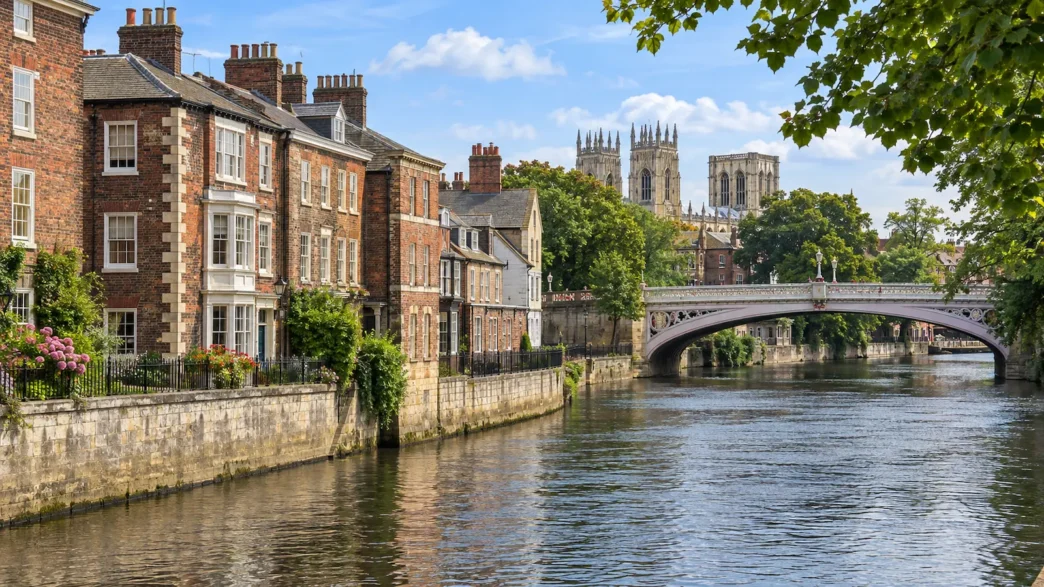
- Use the bridge that suits your address. Lendal Bridge works for Museum Street, Museum Gardens and the Minster. Ouse Bridge is often more useful for a Micklegate-to-Coppergate walk. Skeldergate Bridge fits the castle side and the south-bank streets.
- Check unloading before booking a central room. A postcode in old York does not guarantee vehicle access. Read the council footstreet information and ask the hotel which street and time it can actually accept a taxi or bag drop.
- Compare room type before neighbourhood reputation. The lower floor of a period property can suit a stroller. A rear room may suit an early night. Ask whether access involves steps between the lift and the room rather than assuming the building label settles it.
- Keep a street-level wet-weather route. Paths along the Ouse can become unusable at high river levels. Save your bridge and street alternative before agreeing to a station arrival or restaurant route. The council describes affected paths.
Where to Stay in York for Your Kind of First Visit
📍 York Minster and Petergate — Best for a short first visit
Landmarks · dense core · higher central room rates
Start here if the Minster, Stonegate and the Shambles are all on your list and you want to see them before the busiest part of the day. A two-night stay gives you more control over timing when you can return for a coat, revisit the lanes before dinner or visit the Minster around a service. You also retain a straightforward street route to Museum Gardens via St Leonard’s Place.
Ask whether the entrance really opens onto the street you have mapped. The distances between buildings are short, but the quickest pedestrian lanes are sometimes narrow, uneven or busy. The early-morning difference is the real premium here. A spot a few streets away is often enough to get it.
A single traveller with a light bag can expect roughly 12–18 minutes on foot from the station via Lendal Bridge in normal conditions. Give yourself time for the slope onto the bridge, photographs and slower crossings. If you expect to arrive after the front desk closes, confirm the actual check-in procedure.
✅ What Other Travelers Say: The walkable setting gives sightseeing visitors flexibility over meals, coats and crowd timing.
⚠️ The Catch (Things to Keep in Mind): Church bells, deliveries and nightlife can reach nearby rooms. Lifts and room access vary significantly in old buildings.
🚉 Station Road and Station Rise — Best for easy luggage days
Station access · museum side · short stays
Station Road makes a good default if you are changing cities by train or have a morning departure. Drop bags first and walk the centre at your own pace. The big streets are easier to identify than back lanes, and you can make the National Railway Museum a separate block without crossing to the Shambles and back.
On the station side, small differences in position still matter. Station Rise is useful if you want to cross Lendal Bridge for the Minster. Toft Green and the western side of Micklegate work for dinners on that bank. Check the Station Gateway updates and the museum’s live access instructions rather than tracing a route through a closed section of Leeman Road.
The hotel may charge for a particular early access arrangement or not have the storage capacity you need. Ask how early bags can be left and what time the desk opens. The national station directory is a better guide to accessible boarding than a video from before the forecourt works.
✅ What Other Travelers Say: The arrival feels simpler after a long train when the final stop is just a short walk away.
⚠️ The Catch (Things to Keep in Mind): Your daily sightseeing still usually involves a walk east across a bridge. Look for the quiet-facing room if a rail or road outlook concerns you.
📍 Micklegate and Bishophill — Best for an easy arrival and independent food
West bank · historic streets · useful overnight base
Micklegate gives you a west-bank base with a distinct dining street and a useful rail approach. The upper end around Micklegate Bar connects easily to Blossom Street and the station. The lower end leads down toward Bridge Street and the Ouse. If you plan two evenings out, compare both ends of that walk before setting your budget.
Bishophill’s smaller lanes branch away from the main drag. They can suit those who like a residential feel near the centre. Judge the property by its own entrance, lighting and stairs. An old building may be a good fit one night and awkward for an entire family with pushchairs.
Walk over Ouse Bridge for a castle or Coppergate morning. For the Minster or Museum Gardens, route whichever of Ouse Bridge and Lendal Bridge offers the most convenient streets from your door. A long riverside shortcut adds little if you have bags and the path is wet.
✅ What Other Travelers Say: Micklegate feels close to the old town while giving you another cluster of independent places to eat.
⚠️ The Catch (Things to Keep in Mind): The lower-to-upper street has a slope and some pubs stay active later. Request your room position where sleep timing matters.
📍 Bootham and Gillygate — Best for the north side and quieter guesthouses
Bootham Bar · museum gardens · townhouse choice
Bootham begins beyond Bootham Bar, so its nearer hotels are one useful threshold away from High Petergate and the Minster. Gillygate runs along the outside of the wall and works for a shorter approach to the quieter north-eastern lanes. Outer Clifton usually means a longer walk with luggage, even if the price looks better.
The advantage is your ability to walk to Museum Gardens, York Art Gallery or the Minster through a slightly less congested morning route. It helps to use the museum-side entrance while the gardens are open and save the main streets for a later return.
Many guesthouses use domestic staircases and have limited parking. Ask for a written answer about one vehicle, accessible room routes and check-in times. Comparison is more meaningful between two addresses on the near end than between a central hotel and a low price well into Clifton.
✅ What Other Travelers Say: This is a good pace for a hotel stay where breakfasts and evening quiet matter as much as daylight sightseeing.
⚠️ The Catch (Things to Keep in Mind): Traffic on Bootham and Gillygate is still noticeable from some front rooms. Maps can hide the walk from a farther Clifton address.
📍 Fossgate and Walmgate — Best for dinner and a different side of the centre
Independent dining · compact old streets · east bank
This is the base I would compare first for two dinners in the city and an easy walk to several old-town sights. Fossgate runs out of the centre into Walmgate after Foss Bridge. Staying close to that junction keeps the core manageable and gives you a useful alternate route around the busiest retail lanes.
The river distinction helps on arrival. You cross the Ouse from the railway side and may also cross or follow the Foss depending on your hotel. York’s open late-night venue hours and your own bedtime are more useful information than whether a listing calls itself boutique. Read room descriptions and ask the desk what faces the street.
Put one meal within a short walk of the hotel if you only have two nights. Visiting the bridge and nearby shops feels different in daylight, when independent businesses are open, than when all your plans begin after dark.
✅ What Other Travelers Say: The food options give the area a purpose beyond finding a hotel close to attractions.
⚠️ The Catch (Things to Keep in Mind): Allow extra time for your first and last railway walk. Choose a clearer outer-street approach with cases when the retail lanes are full.
📍 Bishopthorpe Road — Best for a calmer local stay with a park
South of the walls · cafés · park time
Look at the near end of Bishopthorpe Road if you want one slower morning, breakfast outside the old lanes or an hour at Rowntree Park. The small-scale shops change the routine of a longer stay. A kitchen or reserved space for the car can also be more valuable here than a view of the Minster.
Use a trip toward the castle area and a Minster trip as two separate reference points. Distance depends on how far south you are and where you cross. Choose street routes via the local road network if the Ouse is high, or if a stroller and groceries make a narrow riverside path impractical.
Bishy Road shines when a walk in the morning is part of the break. For a one-night whistle-stop visit, compare the cost with Micklegate or Station Road. A good-value room often stays good value after you factor in breakfast. The same cannot be assumed after two taxi rides.
✅ What Other Travelers Say: A park and independent cafés help families break up a full day in the historic centre.
⚠️ The Catch (Things to Keep in Mind): Night-time and wet-weather walking can make the base feel farther away. The closest end of the road and a residential address farther out suit different trips.
Key FAQs
What is the best area to stay in York without a car? For a first visit of two nights, compare Minster and Petergate with the west end of the centre around Station Rise. Both are good on foot. Choose by the arrival walk and where you expect to spend evenings.
How far is York city centre from the railway station? From the main Station Road entrance, Museum Street and central streets are typically about 8–15 minutes on foot, with the Minster often around 12–18 minutes depending on pace. Station works, crossings and crowds affect the last few minutes.
Should families stay inside York city walls? Choose the building and route first. The edge of Bootham or Bishopthorpe Road can suit a stroller and a quieter bedtime, while a central hotel can save repeat trips with young children. Request the exact lift and bed setup before you book.
Final Verdict and Your Next Step
Choose Minster and Petergate for a short landmark-led break, Station Road for easy rail mornings, or Micklegate and Fossgate when dinner helps set the map. For a longer visit, compare Bootham or Bishopthorpe Road against your slowest walking day. Use the York hotel map for a date-specific comparison and the Travel Stay Guide accommodation guides when planning another stop. Save the location pin and the confirmed arrival instructions with your booking.