
💡 Key Takeaways
- Start with Midtown around Bryant Park and split Central Park, Chelsea, Lower Manhattan and Brooklyn across different outings. Give yourself a specific place to start and stop in each area.
- Pick one big-ticket landmark per day. Use free parks, markets and neighborhoods for the adjustable parts. Buy the authorized ferry only if your visit includes landing at Liberty or Ellis Island.
- Choose your hotel near one useful subway line. Check OMNY, station access and the correct airport transfer with your actual bags.
This New York City travel guide for first-time visitors starts with a manageable plan. Use Midtown for the classic skyline and Broadway, Central Park and one museum for a slower day, and Chelsea, Lower Manhattan and Brooklyn as separate geographic stops. A good three-day trip can use all five areas without spending each afternoon underground. Design each day around one attraction you actually care about and a nearby meal.
The 1-Min Cheat Sheet
- Where to stay: Bryant Park or a nearby Midtown street makes a practical first base. The Upper West Side works better when park and museum time outranks theater.
- How to arrive: Distinguish JFK, LaGuardia and Newark, then choose the station or road transfer that reaches your hotel door.
- Where to start: Spend the first few hours near the hotel. Use Fifth Avenue, Bryant Park and a short Broadway-area walk rather than arranging a prepaid ticket immediately after landing.
- What to book first: Fix the show, island ferry, skyline ticket or special tour you would be disappointed to miss. Give the rest of the trip weather and energy flexibility.
- What to save for another day: A second major museum, several boroughs in one afternoon, or an extra observation deck can wait. Plan a return you can enjoy after sunset.
Top Survival Tips
- Know the destination on your ticket. New York Penn and Moynihan form one station complex; Grand Central Terminal and Grand Central Madison are on the east side. The airports have their own routes. Use the operator’s exact station for each arrival.
- Find the correct subway corridor. Use the MTA subway line maps or a real-time route planner to check directions, interruptions and platform details. An ordinary ride costs $3 at check, and OMNY caps eligible local trips when you use the same card or device.
- Prioritize the room and sidewalk. Compare your booked bed sizes, whether the room fee is recurring, and the long walk after dinner. Accessibility requires the correct entrance and exit; look at MTA accessible stations before committing.
- Separate the three ferries. The Staten Island Ferry is free and shows the harbor. NYC Ferry charges its own fare for city routes. Liberty and Ellis island service is a separate ticket.
- Leave a rain and heat option. If the park is wet, use a museum. If an observation deck is in cloud, change your afternoon when your booking terms permit it. Go outside in a more comfortable weather window.
The Full Experience: New York City Travel Guide for First-Time Visitors
📍 Midtown Manhattan for a First Look and Broadway
Fifth Avenue · Bryant Park · theater and skyline
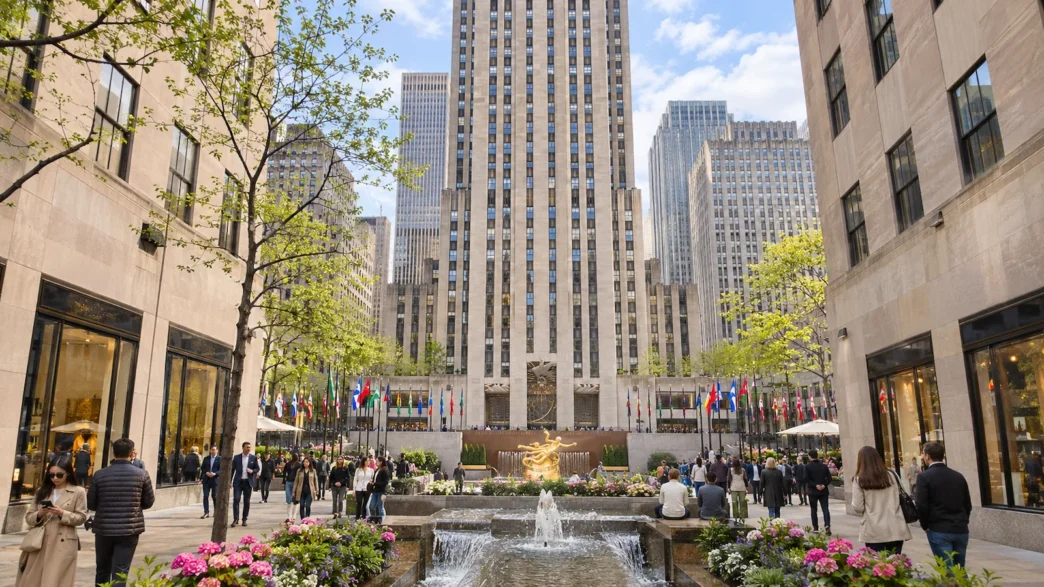
Start by Bryant Park and the library, then walk north on or near Fifth Avenue if Rockefeller Center is on the list. Decide whether you want a skyline ticket or an evening show as the fixed part of this outing. A first day after a long flight is usually when a tight timed ticket goes wrong.
If choosing a deck, the official Top of the Rock page compares regular timed and other ticket products. Check the weather and room for security and elevators. Putting a second scheduled ticket too close makes it harder to take advantage of a good view.
Walk through Times Square when it fits the show and hotel route. A brief look can be satisfying. Then move to a quieter dinner street or use Bryant Park as a nearby place to meet before taking the same train home.
✅ What Other Travelers Say
Repeat visitors often like Midtown most when there is a concrete thing to do there rather than a day spent zigzagging between busy corners.
⚠️ The Catch (Things to Keep in Mind)
Sidewalks can slow down sharply near show exits and large events. Allow longer than the hotel’s map estimate.
📍 Central Park and Museum Mile for a Slower Day
Upper East Side art · central park loop · plan which exit you use
Choose one serious museum: use The Met Fifth Avenue for art or the American Museum of Natural History west of the park for families who want science and fossils. The museums have different visitor hours and ticket details. Make a short list of two halls and agree on a meeting point.
Use Central Park for a real change of pace. Put your park entry and exit into the map so that the walk can end near a snack, the correct subway or a flexible dinner. The most appealing route can change when the path is wet or someone would rather sit down.
Take a full afternoon in the same half of Manhattan instead of treating both museums as quick photo stops. If your group wants a bigger walk, choose a park landmark near the museum you visited and keep the rest open.
✅ What Other Travelers Say
One museum and one manageable park loop often feel like a better day than covering both sides of the park because they look close on a map.
⚠️ The Catch (Things to Keep in Mind)
The park is big. Look at usable exits, mobility needs and museum closure days before booking an evening plan across town.
📍 Chelsea and the High Line for a Walkable Food and Gallery Day
West side · High Line access · market and waterfront
Choose the High Line entry that suits your first stop, then move toward your useful exit. Near Chelsea Market, decide whether lunch means the market itself or a quieter spot around the neighborhood. The High Line visitor guide has the entrance and accessibility details.
Make galleries or Little Island the optional second part. Put a meal between them when timing works. One of the advantages of the west side is that you can cut the walk short without giving up the day.
Keep the route on the same side of town until you are ready to leave. Check current elevator access, daylight and weather. A visit to the waterfront makes most sense when you want to spend time outside there, rather than use it as a shortcut to a different borough.
✅ What Other Travelers Say
The west side feels most rewarding when you can stop for food, displays and long looks down cross streets.
⚠️ The Catch (Things to Keep in Mind)
Crowds on the elevated path and weather off the river affect how pleasant it is. Know one surface-street exit.
📍 Lower Manhattan for Harbor and History
The Battery · 9/11 Memorial · early boat slots
Start at the place you care about most. For a harbor ride and a distant Statue of Liberty view, the free Staten Island Ferry is useful. If you want to go ashore at Liberty and Ellis islands, read the National Park Service ticket information and book that actual service.
Use the Memorial and Museum visitor page for differences between the outdoor pools and the paid museum. Do not book the island trip and a museum time close together. Give both experiences the time and transit they need.
At the end of the day, choose one nearby neighborhood such as Chinatown or the civic center. Use an official subway station and add the walk between the boat and the subway entrance. Stay close to your next onward route if you are traveling with bags.
✅ What Other Travelers Say
A first trip often feels more balanced when this part of the city gets a quiet morning and time near the river.
⚠️ The Catch (Things to Keep in Mind)
Ferry routes and check-in locations are different, and older online explanations may use outdated access directions.
📍 Brooklyn Bridge Park for the Waterfront and a Real Break
DUMBO · Fulton Ferry · Brooklyn Heights optional
Walk over the bridge if the crowd, temperature and wind work for everyone. A direct subway to the Brooklyn side is a useful alternative, especially if you want to save your afternoon for the river. Use Brooklyn Bridge Park’s official information for park access and current details.
Choose the Pier 1 or DUMBO part of the waterfront first, then decide how far to continue. Some hotel and attraction photos make the river look close to every Downtown Brooklyn address. On foot, the approach, grade and available crossings change the choice.
Keep the return separate. A paid NYC Ferry sailing gives another harbor view if its landing and schedule fit. Avoid counting the ferry as a rapid airport or train connection, and add a margin before your hotel bag pickup.
✅ What Other Travelers Say
Many first-time visitors enjoy the Brooklyn waterfront as its own destination once they stop treating it just as the end of a bridge walk.
⚠️ The Catch (Things to Keep in Mind)
The bridge and waterfront are exposed to wind. Plan a subway return and a place to stop indoors if the day changes.
Key FAQs
Which New York area should I visit first? Start around Bryant Park or Fifth Avenue if you are staying in Midtown. Use a low-pressure neighborhood loop or a reserved Broadway show if already planned. Put major skyline or museum tickets later if your flight is unpredictable.
How many days do I need for New York City? Three well-grouped days cover Midtown, a park or museum, and a Lower Manhattan/Brooklyn outing. Five days gives Chelsea or Brooklyn more time and leaves more room for bad weather.
Is the subway easy for a first-time visitor? A direct route is often straightforward if you check direction, line, destination and the station exit. Use the same OMNY credential for eligible fare capping and choose a verified accessible path when you need it.
Final Verdict and Your Next Step
Pick the area you expect to visit twice and make it your hotel and transit anchor. Book one special experience, then keep the nearby park, waterfront or meal movable. Use the New York itinerary planning guides and check hotel availability around your actual routes.