
💡 Key Takeaways
- Choose your hotel by station access, not by the cheapest room rate. Saving a small amount on accommodation can cost you hours of extra transfers, long station walks and stressful luggage handling.
- Plan Tokyo by geographic clusters. Shibuya and Asakusa may look close on a map, but crossing the city repeatedly turns a relaxed day into a transport marathon.
- Do not buy every rail pass automatically. An IC card is the simplest default; a Tokyo Subway Ticket only saves money when your actual route uses enough Tokyo Metro and Toei Subway journeys.
Most people searching for a Tokyo travel guide for first-time visitors are not worried about finding things to do. Tokyo has too many things to do. The real challenge is deciding what to leave out, where to stay, which airport transfer will not punish you with luggage, and how to avoid spending half your trip inside enormous stations.
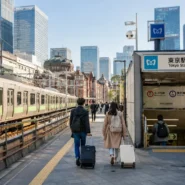
Tokyo is wonderfully efficient, but it is not automatically easy. Different railway companies share the city, station names can look similar, platforms may be a long walk apart, and a hotel described as “near Shinjuku” can still be inconvenient if it is on the wrong side of the station. The city rewards travelers who group neighborhoods intelligently and punishes those who build an itinerary from a random list of Instagram landmarks.
This guide is designed to help you make those decisions honestly. It explains the real strengths and weaknesses of Tokyo’s main areas, highlights attractions that are often overhyped, and gives you a realistic first-trip plan that leaves enough time to eat, explore side streets and recover from jet lag.
The 1-Min Cheat Sheet
- Best trip length: Four full days is a practical minimum for Tokyo itself; five to seven days lets you slow down or add one day trip.
- Best airport for convenience: Haneda is usually easier for central Tokyo, but a much cheaper Narita flight may still be worth taking.
- Best first-time hotel areas: Shinjuku for connections and nightlife, Shibuya for energy, Ueno for value and Narita access, or Tokyo Station/Ginza for polished convenience.
- Best transport default: Use a rechargeable IC card and pay per ride. Calculate a subway pass only after your itinerary is fixed.
- Best planning rule: Visit one side of Tokyo per half-day. Avoid zigzagging between the east and west.
- Best free city view: The Tokyo Metropolitan Government Building in Shinjuku, subject to current opening schedules.
- Most overrated standalone stop: Shibuya Crossing. It is iconic, but the crossing itself takes minutes; combine it with Shibuya Sky, shopping, food or a walk to Harajuku.
- Biggest luggage mistake: Arriving during rush hour and transferring through Shinjuku, Shibuya or Tokyo Station with large suitcases.
- Most important advance bookings: Your hotel, timed observation decks, teamLab, Disney, the Ghibli Museum and limited-seat restaurants or experiences.
- Daily walking reality: Expect roughly 15,000 to 25,000 steps on active sightseeing days, even when using trains.
Before You Book: Make the Three Decisions That Shape the Whole Trip
1. Choose Haneda or Narita Based on the Total Journey, Not the Airfare Alone
Haneda Airport is normally the easier arrival point for central Tokyo. Keikyu’s official journey estimates list approximately 11 minutes from Haneda Terminal 3 to Shinagawa and about 20 minutes to Tokyo Station, but those numbers are railway travel times rather than door-to-door hotel times. You still need to find the platform, wait for a train, navigate the destination station and walk to your hotel. Check the latest routes on the official Haneda access guide.
Narita Airport is much farther away, but it is not automatically a bad choice. The Narita Express is useful for Tokyo, Shibuya and Shinjuku, while Keisei services can be more convenient for Ueno, Nippori and parts of eastern Tokyo. Airport buses may be slower in traffic, yet they can be the least stressful option when they stop directly at your hotel. Review the official Narita rail options before buying a ticket.
The practical rule: compare the flight saving with the extra transfer time, airport arrival hour and your hotel location. A late-night Narita arrival followed by a complicated transfer is rarely a bargain. A daytime Narita flight paired with a hotel in Ueno can be perfectly sensible.
2. Pick a Hotel Near the Correct Station Entrance
“Five minutes from Shinjuku Station” can mean very different things. Shinjuku has multiple railway operators, underground passages and exits spread across a huge area. A hotel near the west side is convenient for the government building and airport buses, while a hotel deep in Kabukicho offers nightlife but may feel chaotic with children or luggage.
Before booking, check all four of these details:
- The exact station and railway line, not only the neighborhood name.
- The walking route from the most useful exit, including stairs and pedestrian bridges.
- Whether the airport train or bus reaches the area without a difficult transfer.
- Whether the streets around the hotel match your needs after dark.
A slightly smaller room beside a useful station often delivers a better trip than a larger room requiring two transfers every morning.
3. Decide Whether Tokyo Is the Main Trip or One Stop in Japan
If Tokyo is part of a Tokyo–Kyoto–Osaka route, do not spend your arrival and departure days crossing the city unnecessarily. Staying near Tokyo Station or Shinagawa can make a Shinkansen departure easier. If Tokyo is your entire holiday, a base in Shinjuku, Shibuya, Ueno or Asakusa may provide more evening atmosphere.
For a first visit, changing hotels inside Tokyo usually creates more work than value. Packing, checking out, storing bags and checking in again can consume half a day. One well-chosen base is normally better unless you have an airport hotel, Disney stay or another specific reason.
Top Survival Tips
- Use an IC card as your default: Suica and PASMO-type cards make ordinary train and bus journeys much easier. As of 2026, the official TOURIST PASMO is available to international visitors, is valid for 28 days and does not refund unused stored value, so avoid loading a large amount on the final day.
- Understand what a subway pass excludes: The Tokyo Subway Ticket covers Tokyo Metro and Toei Subway, not JR lines such as the Yamanote Line. As of August 2026, official adult prices are ¥1,000 for 24 hours, ¥1,500 for 48 hours and ¥2,000 for 72 hours. It can be excellent value, but only when your route matches the covered network.
- Do not assume the Yamanote Line is always fastest: It is easy to understand, but sometimes a subway route is much quicker. Compare the actual journey rather than forcing every trip onto one familiar loop.
- Check the destination exit before leaving the platform: Choosing the wrong exit at Shinjuku, Shibuya or Tokyo Station can add 10 to 20 minutes and place you across a major road or on the wrong side of the railway tracks.
- Avoid rush hour with luggage: Weekday commuter periods are uncomfortable even without suitcases. Use an airport bus, taxi for the final short leg, station lockers or luggage forwarding when the route is complicated.
- Do not plan breakfast too early everywhere: Tokyo is not universally an early-opening city. Tsukiji and Toyosu begin early, but many cafés, shops and department stores open later in the morning.
- Carry some cash: Cards and contactless payments are common, but small restaurants, older ticket machines, shrines and neighborhood businesses may still prefer cash.
- Keep restaurants flexible: A famous shop with a two-hour queue is not automatically better than a good local alternative nearby. Save one or two priority meals and keep the rest adaptable.
- Do not eat while blocking busy streets: Food streets can become congested. Follow local signs, use designated eating areas and avoid stopping suddenly in the center of a narrow walkway.
- Photograph respectfully: Golden Gai, Omoide Yokocho, markets and residential lanes are working neighborhoods, not film sets. Some businesses prohibit photography, and close-up photos of staff or customers should never be assumed acceptable.
- Check the final train: Tokyo’s trains do not run all night. Late-night taxis can be expensive, especially across the city, so know your route home before ordering another drink.
- Build weather alternatives: Summer heat, humidity and sudden rain can make an outdoor-heavy plan miserable. Department stores, museums, underground malls and indoor attractions are useful backups.
A Realistic Four-Day Tokyo Itinerary
This route is designed to reduce unnecessary cross-city travel. It is a framework, not a competition. Remove a stop whenever you want more food, shopping or rest time.
Day 1: Shibuya, Harajuku and Omotesando
Start at Meiji Jingu before the busiest period, continue through Harajuku, then walk or ride toward Omotesando and Shibuya. Book Shibuya Sky near late afternoon only if you have a confirmed time slot. Finish with dinner in Shibuya, Ebisu or your hotel area.
Do not try to add Asakusa. It is on the opposite side of central Tokyo and belongs on another day.
Day 2: Asakusa, Ueno and Akihabara
Visit Senso-ji early, explore the side streets after Nakamise, and choose either Ueno’s museums and Ameyoko or Kappabashi’s kitchenware shops. Continue to Akihabara in the afternoon if pop culture and electronics genuinely interest you. Otherwise, spend longer in Ueno or add Yanaka for a calmer neighborhood walk.
Day 3: Tokyo Station, Marunouchi, Ginza and Tsukiji
Start with Tsukiji Outer Market while businesses are active, then continue to Ginza and the Marunouchi side of Tokyo Station. Add the Imperial Palace East Gardens only after checking the opening day. This is a good day for department-store food halls, stationary shops and a more polished side of Tokyo.
Day 4: Shinjuku Plus One Major Experience
Explore Shinjuku Gyoen, the west-side skyscraper district and the free government building observatory. Use the evening for Omoide Yokocho, Kabukicho or a quieter dinner around the south exit. Add only one substantial attraction elsewhere: teamLab, a major museum, a food tour or a half-day shopping mission.
Disney is not a half-day add-on. Tokyo Disneyland or DisneySea should normally receive a dedicated day. The same principle applies to a Mount Fuji day trip, the Ghibli Museum and the Warner Bros. Studio Tour Tokyo.
The Full Experience
📍 Shinjuku: Best for First-Time Energy and Transport Connections
Feature tags: Major transport hub · Nightlife · Free skyline views · Department stores · Late dining
Shinjuku is Tokyo at maximum intensity: giant stations, towers, neon, tiny bars, parks and department stores packed into one district. It is an excellent base for travelers who value transport options and late-night food, but it is not the easiest neighborhood for a gentle first arrival.
Start with Shinjuku Gyoen for a calmer morning, then move toward the west-side skyscraper district. The Tokyo Metropolitan Government Building observatory offers a free view and is a sensible alternative for travelers who do not need to pay for multiple observation decks. Check current closures before visiting.
After dark, Omoide Yokocho is atmospheric but tiny, and Golden Gai is more enjoyable when you actually enter a bar rather than treating the lanes as a photo backdrop. Kabukicho can be exciting, yet the touts, themed entertainment and adult nightlife make it less suitable for every traveler.
✅ What Other Travelers Say
Visitors consistently appreciate the huge choice of restaurants, convenient connections and the fact that Shinjuku remains lively after other districts quiet down. Many first-time travelers also enjoy seeing the contrast between Shinjuku Gyoen, the business towers and the neon entertainment streets in one day.
⚠️ The Catch (Things to Keep in Mind)
Shinjuku Station is not a single simple building. It is a vast transport zone, and walking from the wrong line or exit to your hotel can be exhausting. Avoid hotels described vaguely as “Shinjuku area” without checking the precise route. Families and light sleepers should also examine whether the property is deep inside Kabukicho.
Best for: Night owls, first-time visitors who want strong connections, solo travelers and people planning western Tokyo day trips.
Think twice if: You dislike crowds, need a calm arrival or will be moving large luggage without a direct airport bus.
📍 Shibuya and Harajuku: Best for Iconic Modern Tokyo
Feature tags: Youth culture · Fashion · Skyline views · Walkable highlights · Busy evenings
Shibuya delivers the version of Tokyo many travelers imagined before arrival: screens, crowds, fashion, cafés and non-stop visual energy. The crossing is worth seeing, but it should be the start of your visit rather than the entire reason for it.
Walk from Shibuya toward Cat Street, Omotesando and Meiji Jingu, or reverse the route to finish in Shibuya after dark. This is one of Tokyo’s most logical sightseeing walks because the attractions connect naturally without repeated train journeys.
Shibuya Sky is excellent in clear weather and especially attractive near sunset, but popular times often require advance booking. Use the official ticket page or a verified reseller. Do not build your entire day around a perfect sunset photo; wind and weather can affect rooftop access.
Takeshita Street in Harajuku is visually fun, but it becomes uncomfortably crowded and many shops are aimed at quick tourist consumption. Thirty to sixty minutes is enough for many adults. The quieter lanes, Omotesando architecture and Meiji Jingu often provide a more satisfying overall experience.
✅ What Other Travelers Say
Travelers love the immediate “I am really in Tokyo” feeling, the shopping variety and the easy combination of Shibuya with Harajuku. Shibuya Sky frequently becomes a highlight when visibility is good and the entry time is well planned.
⚠️ The Catch (Things to Keep in Mind)
The main streets can feel like a conveyor belt of visitors. Restaurants and cafés near the crossing may involve queues, and navigating Shibuya Station during construction changes can be confusing. A hotel directly beside the nightlife may also be noisy.
Best for: First-time photographers, fashion shoppers, younger travelers, couples and visitors who want a lively evening base.
Think twice if: You want low prices, quiet streets or spacious hotel rooms.
📍 Asakusa and Ueno: Best for Traditional Sights and Better-Value Stays
Feature tags: Historic atmosphere · Temples · Museums · Markets · Budget-friendly hotels
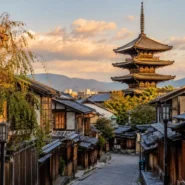
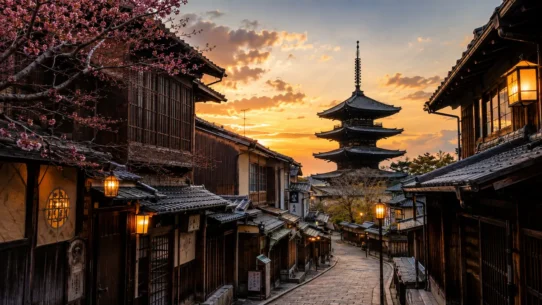
Asakusa is one of the easiest places to experience a more traditional streetscape without leaving Tokyo. Senso-ji is genuinely worth visiting, but timing matters. The central approach can become extremely crowded during the day, so arrive early for space or return after dark for atmosphere.
Do not stop after walking through Kaminarimon and Nakamise. Explore the lanes behind and around the temple, continue toward the Sumida River, or walk to Kappabashi if you enjoy knives, ceramics and kitchenware. Tokyo Skytree is visible from many points, but paying for its observation deck is optional if you already booked Shibuya Sky or another city view.
Ueno adds major museums, a large park and Ameyoko’s food-and-shopping energy. It is also a practical base for Narita access. Travelers on a moderate budget often find better room value here than in Shibuya or central Shinjuku.
✅ What Other Travelers Say
Many visitors appreciate Asakusa in the early morning or evening, when the architecture is easier to notice. Ueno receives praise for transport convenience, museums and more affordable accommodation, especially from travelers arriving through Narita.
⚠️ The Catch (Things to Keep in Mind)
Nakamise can feel commercial and packed at peak times. Rickshaw rides are visible everywhere but are not necessary to enjoy the district. Asakusa is also less convenient for repeated nights out in Shibuya and Shinjuku, so western Tokyo sightseeing days will involve longer journeys.
Best for: Families, culture-focused visitors, museum lovers, budget-conscious travelers and Narita arrivals.
Think twice if: Your trip revolves around western Tokyo nightlife or you want a highly modern neighborhood outside the hotel door.
📍 Tokyo Station, Marunouchi and Ginza: Best for Smooth Connections and Polished Comfort
Feature tags: Shinkansen access · Upscale shopping · Food halls · Architecture · Business-district calm
This area is one of the smartest bases for travelers continuing to Kyoto, Osaka or elsewhere by Shinkansen. Tokyo Station is enormous, but its strategic value is hard to beat. Marunouchi’s broad streets and brick station façade feel calmer than Shibuya, while Ginza provides department stores, restaurants and excellent rainy-day options.
Tokyo Station itself can consume hours through character shops, bento counters, ramen outlets and underground shopping. That is either a delight or a trap. Set a purpose before entering, and save the correct exit or meeting point on your phone.
Ginza’s luxury reputation can sound intimidating, yet you do not need a luxury budget to enjoy it. Department-store basements, stationery, architecture and weekend pedestrianized streets can be rewarding. The area also pairs naturally with Tsukiji, Hibiya and the Imperial Palace surroundings.
✅ What Other Travelers Say
Travelers value the clean, orderly atmosphere, excellent dining and effortless access to long-distance trains. Food-focused visitors often enjoy the station and department-store basements more than another conventional attraction.
⚠️ The Catch (Things to Keep in Mind)
Hotels can be expensive, and the business district may feel quiet late at night compared with Shinjuku or Shibuya. Tokyo Station also has long underground walks, so “connected to the station” does not always mean a short walk to your platform.
Best for: Couples, comfort-focused travelers, short stays, Shinkansen users and visitors who prefer a polished base.
Think twice if: You want budget nightlife or a neighborhood with casual late-night street energy.
📍 Akihabara and Kanda: Best for Anime, Games and Specialist Shopping
Feature tags: Anime · Retro games · Electronics · Collectibles · Themed cafés
Akihabara is essential for some travelers and completely skippable for others. That is the honest answer. Fans of anime, gaming, figures, trading cards and electronics can spend most of a day here. Visitors without those interests may see the bright signs, enter two shops and feel finished within an hour.
The large stores are easy starting points, but specialist floors and smaller shops deliver the real treasure-hunt experience. Compare prices before buying collectibles, check whether items are new or used, and understand tax-free conditions before opening packaging.
Maid cafés are part of the area’s identity, but the cost structure, performance style and photo rules may surprise first-timers. Read the menu and table charges before entering. For a calmer contrast, walk toward Kanda Myojin or explore nearby Jimbocho’s bookshops.
✅ What Other Travelers Say
Fans often describe Akihabara as one of the most memorable parts of Tokyo because the depth of niche merchandise is difficult to reproduce elsewhere. Retro-game hunters and collectors particularly enjoy the browsing, even when they buy very little.
⚠️ The Catch (Things to Keep in Mind)
Prices are not automatically low, luggage becomes annoying in narrow shops, and sensory overload is real. Some older guidebooks overstate the electronics bargains; comparison shopping online may reveal that a purchase is not a deal after warranty and voltage differences.
Best for: Anime fans, gamers, collectors, photographers and travelers with specific shopping lists.
Think twice if: Pop culture shopping does not interest you or you are trying to fit the district into an already overloaded day.
📍 Toyosu and Odaiba: Best for teamLab, Waterfront Views and Indoor Attractions
Feature tags: Digital art · Bay views · Modern malls · Family attractions · Wide open spaces
Toyosu and Odaiba offer a futuristic, spacious side of Tokyo that feels completely different from Asakusa or Shinjuku. The downside is that attractions are spread out and transport is less direct, so this area needs a deliberate plan.
teamLab Planets remains a major reason to visit Toyosu and currently lists an end date in 2027. It can be genuinely immersive rather than merely photogenic, but timed entry and practical clothing matter. Some installations involve water, mirrors and barefoot movement, so read the official instructions.
Toyosu Market is the functioning wholesale market, while Tsukiji Outer Market remains a food and retail district. Confusing the two is a common planning mistake. Toyosu is modern and organized, but the market activity is viewed from designated areas and feels less intimate than the old Tsukiji image many travelers expect. Check official Toyosu Market information and closed days before making an early trip.
Odaiba works well for families, rainy days, malls, the waterfront and the large Gundam display. It is less compelling as a general hotel base because reaching many central neighborhoods requires extra time or a line change.
✅ What Other Travelers Say
Families appreciate the indoor entertainment and open waterfront, while many visitors find teamLab Planets more engaging than expected. Sunset views across Tokyo Bay can be a welcome break after several dense city days.
⚠️ The Catch (Things to Keep in Mind)
The area can feel like a collection of separate attractions rather than a traditional neighborhood. Travel times between Toyosu, Odaiba and central Tokyo add up, and restaurants around major attractions may be busy. Do not visit Toyosu Market late in the day expecting full market energy.
Best for: Families, teamLab visitors, modern architecture fans, mall shoppers and travelers needing a weather-proof day.
Think twice if: You have only two or three days in Tokyo and do not have a specific attraction booked.
What Is Overhyped, and What Is Still Worth Doing?
Shibuya Crossing
Verdict: Worth seeing, not worth organizing an entire day around. Cross once, view it from above if convenient, then explore Shibuya properly.
Takeshita Street
Verdict: Fun for a short visit, especially with teenagers, but peak-hour crowds and repetitive snack shops can make it feel more like a tourist funnel than a cultural experience. Pair it with Meiji Jingu and Omotesando.
Golden Gai
Verdict: Atmospheric when you enter a suitable bar and respect its rules. Less rewarding as a crowded photo stop. Check cover charges and whether the venue welcomes non-Japanese speakers before sitting down.
Tokyo Skytree
Verdict: Impressive but not mandatory. It makes sense when you are already in Asakusa/Oshiage, love very high views or have clear weather. Doing Skytree, Shibuya Sky and Tokyo Tower on one short trip is usually unnecessary.
Tsukiji “Fish Market”
Verdict: The outer market is still enjoyable for food, but the wholesale market moved to Toyosu. Some stalls are excellent; others depend heavily on tourist traffic. Arrive hungry, compare queues and avoid assuming the longest line guarantees the best meal. See the official Tsukiji Outer Market site.
Theme Cafés
Verdict: Worth it for genuine fans, often poor value for travelers attending only because a checklist says they should. Food quality may be secondary to the theme, and reservations or minimum orders can apply.
Tokyo Budget: What to Expect Without Pretending Every Traveler Spends the Same
Tokyo can be expensive, but it is not uniformly expensive. Transport and everyday food can be reasonable; accommodation, premium attractions and nightlife create the largest swings.
- Lean daily spending, excluding accommodation: roughly ¥10,000–¥15,000 with convenience-store breakfasts, casual meals, limited paid attractions and careful shopping.
- Comfortable daily spending, excluding accommodation: roughly ¥15,000–¥25,000 with varied restaurants, several train rides, one paid attraction and snacks or drinks.
- Experience-heavy spending: ¥30,000 or more when adding premium dining, cocktails, private tours, shopping and multiple ticketed attractions.
These are planning ranges, not official prices or guarantees. Exchange rates, weekends, special events and personal shopping habits can change the total dramatically.
Where to Save
- Use free parks, temples, neighborhoods and the government observatory.
- Eat lunch at restaurants that are expensive at dinner.
- Use department-store food halls near closing time only when discounts are visibly offered; do not assume a fixed schedule.
- Stay in Ueno, Asakusa, Ikebukuro or a well-connected secondary station rather than paying automatically for Shibuya.
- Choose one paid observation deck, not three.
Where Not to Save
- A hotel location that adds multiple transfers every day.
- A stressful airport journey after a long flight.
- Comfortable shoes and weather-appropriate clothing.
- A priority attraction that regularly sells out.
- Travel insurance appropriate to your circumstances.
Key FAQs
Where should first-time visitors stay in Tokyo to avoid difficult train transfers?
Shinjuku is best for broad connections and nightlife, Shibuya for a lively modern base, Ueno for value and Narita access, and Tokyo Station for Shinkansen convenience. The best choice depends on your airport and itinerary. Prioritize a hotel within a genuinely easy walk of a useful station entrance, not merely a property using the neighborhood name in its listing.
How many days do first-time visitors need in Tokyo?
Four full days is a practical minimum for the major east and west Tokyo areas without rushing every hour. Five to seven days is better when you want museums, shopping, nightlife, Disney, teamLab or a day trip. Arrival and departure days should not be counted as full sightseeing days unless your flight times are unusually convenient.
Is the Tokyo Subway Ticket worth it, or should first-time visitors use Suica or PASMO?
An IC card is the easiest default because it works across different participating train and bus operators and charges each trip separately. The Tokyo Subway Ticket can save money when you make several journeys on Tokyo Metro and Toei Subway during its validity period. It does not cover JR lines, so calculate your real route before buying rather than assuming an unlimited pass is automatically cheaper.
Final Verdict and Your Next Step
The most important principle for a first Tokyo trip is simple: reduce friction before adding attractions. A good hotel location, direct airport plan and geographically sensible itinerary will improve every day more than one extra “must-see” landmark.
For energetic first-time visitors: base yourself in Shinjuku or Shibuya, but confirm the exact station exit and street environment. Book your observation deck in advance and leave at least one evening unscheduled.
For families: consider Ueno, Asakusa, Tokyo Station or a quieter edge of Shinjuku. Avoid hotel routes requiring long underground walks with strollers, and give Disney or Odaiba a full day rather than squeezing them between central neighborhoods.
For budget-conscious travelers: pay for location rather than prestige. Ueno and Asakusa often provide a useful balance of price and access. Use an IC card by default, compare any rail pass against your actual routes, and choose one premium view or experience.
For couples and comfort-focused travelers: Ginza, Marunouchi and Shibuya offer polished dining and convenient evenings, though room rates can rise sharply. Book early once your dates are fixed, especially around major holidays, cherry-blossom periods and autumn weekends.
Tokyo’s best-value rooms and popular timed attractions are not usually the ones left until the final week. Compare accommodation on Agoda and Booking.com, then check cancellation terms, room size, station access and airport transfers before paying.
For attraction tickets and day tours, compare the exact inclusions rather than only the headline price. Browse current Tokyo options on Klook and KKday. For high-demand entries such as Shibuya Sky, teamLab and Disney, reserve once your itinerary is stable instead of hoping for the ideal time slot after arrival.