
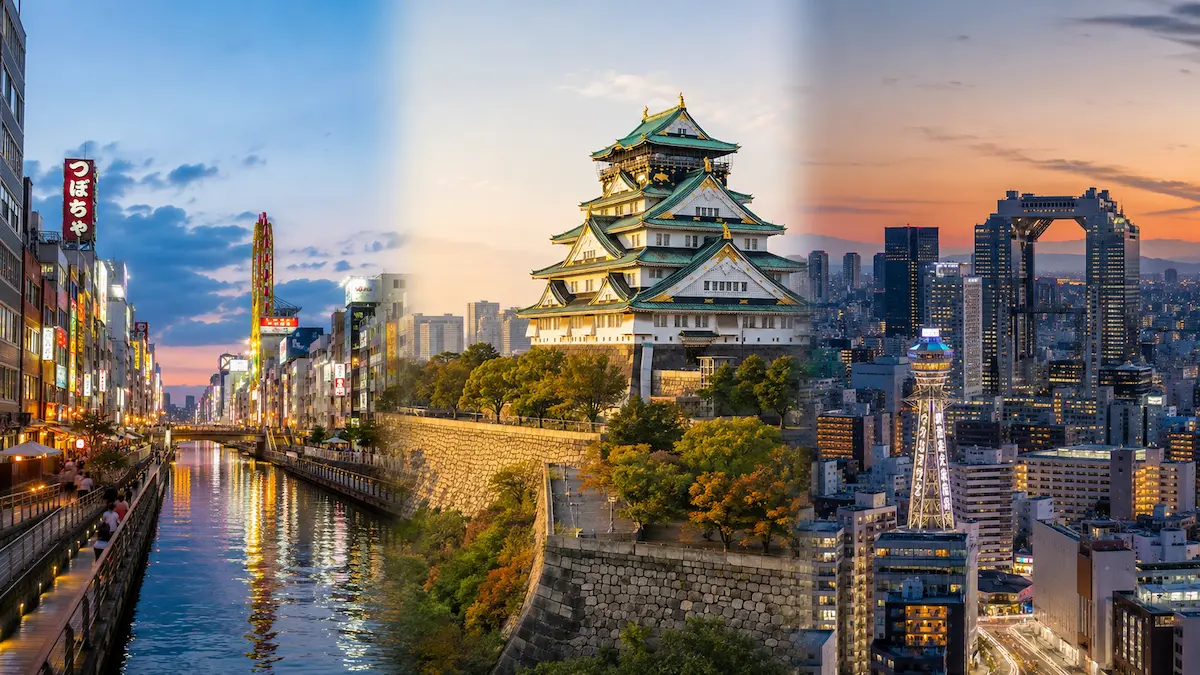
💡 Key Takeaways
- Base the trip around geographic zones, not a viral checklist. Minami, Osaka Castle, Kita, the bay area and south Osaka each deserve their own block of time.
- Do not combine Universal Studios Japan and Osaka Aquarium Kaiyukan unless you are deliberately accepting a rushed day. Both can consume far more time than their map distance suggests.
- A QR code does not automatically mean “skip every line.” It may remove the ticket-counter queue while security, timed-entry, elevator and attraction queues remain.
- Use luggage delivery or storage on arrival and departure days. Dragging a large suitcase through Namba, Osaka Station or crowded Metro transfers is one of the easiest ways to ruin an otherwise easy day.
- You do not need three observation decks. Pick Umeda Sky Building or HARUKAS 300 for the view; visit Tsutenkaku mainly for Shinsekai atmosphere or its extra attractions.
An Osaka 5-day itinerary looks easy on a map. The city is flatter and more rail-friendly than Kyoto, and many famous places appear close together. That apparent simplicity causes first-time visitors to make surprisingly expensive mistakes: returning to Namba between every stop, riding through Osaka Station when a private railway offers a direct route, arriving at USJ without the current app setup, hauling luggage into Kuromon Market, or spending half a day collecting observation-deck photos that all feel similar.
This guide fixes the route rather than merely adding more attractions. It follows the classic first-timer wish list—Dotonbori, Kuromon Market, Osaka Castle, Umeda, Universal Studios Japan, Kaiyukan, Tennoji and Shinsekai—but reorganizes it into five workable days. It also keeps Kyoto out of the daily plan on purpose. Many copied itineraries mix Osaka and Kyoto as though they were neighboring districts; they are separate destinations with different crowd patterns and transport logic. Adding Kyoto to this five-day route means removing a full Osaka day, not squeezing in “a quick temple morning.”
Information and ticket rules in this article were checked on August 4, 2026. Opening hours, seasonal closures, prices and timed-entry procedures can change, so recheck official websites before travel.
The 1-Min Cheat Sheet
- Kuromon Ichiba Market and Namba: Best for first-day food browsing and travelers staying in Minami. Allow 60–90 minutes. The market is free to enter; individual shops set their own hours and prices. Use Osaka Metro Nipponbashi or walk from Namba. Do not bring a large suitcase.
- Dotonbori, Hozenji and Shinsaibashi: Best for neon, casual food, shopping and first-night energy. Allow 2–4 hours. The streets are free; river cruises and theaters require separate tickets. Walk the area rather than repeatedly entering the subway.
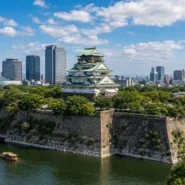
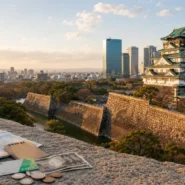
- Osaka Castle and Osaka Museum of History: Best for first-time history visitors and families who want context, not just exterior photos. Allow 3–4 hours for the park, castle museum and nearby history museum. Osaka Castle has a paid web ticket; the surrounding park is free. Enter from Morinomiya and leave toward Otemae to avoid backtracking.
- Nakanoshima and Umeda Sky Building: Best for architecture, riverside breaks and a city view. Allow 3–5 hours including Umeda. Umeda Sky Building is paid and sells web tickets; the riverside is free. Use the subway to Yodoyabashi or Higobashi, then continue to Osaka/Umeda.
- Universal Studios Japan: Best for theme-park fans, Nintendo fans and families prepared for a long day. Allow the entire day. Buy a dated Studio Pass in advance; Express Pass is separate. Download the official app and register tickets before arrival when possible.
- Osaka Aquarium Kaiyukan and Tempozan: Best for families, rainy days and marine-life fans. Allow 2.5–3 hours for Kaiyukan and another 1–2 hours for lunch or the Ferris wheel. Kaiyukan uses timed e-tickets; take the Osaka Metro Chuo Line to Osakako.
- HARUKAS 300 and Tennoji: Best for an easy indoor/outdoor half-day and travelers who prefer a high, enclosed skyline view. Allow 2–3 hours. HARUKAS 300 is paid and has online tickets; Tennoji Park is free. It sits directly above the Tennoji/Abenobashi transport hub.
- Shinsekai and Tsutenkaku: Best for retro Osaka atmosphere, kushikatsu and night photography. Allow 1.5–3 hours. Shinsekai is free; Tsutenkaku requires a paid timed entry slot in 2026, and its slide or rooftop experiences cost extra. Use Ebisucho, Dobutsuen-mae or Shin-Imamiya depending on your next stop.
The Most Practical 5-Day Itinerary
Day 1: Namba, Kuromon Market, Hozenji, Shinsaibashi and Dotonbori
- Recommended start: 10:00–10:30 after leaving luggage at your hotel, a station counter or a delivery desk. On a late arrival, skip Kuromon and begin around Hozenji at 16:00.
- Efficient order: Namba Yasaka Shrine (optional, 25–35 minutes) → Kuromon Ichiba Market (60–90 minutes) → Nipponbashi or Den Den Town only if relevant to you (45–60 minutes) → Hozenji Temple and Hozenji Yokocho (30–45 minutes) → Shinsaibashi-suji (60–90 minutes) → Dotonbori at blue hour and after dark (90 minutes or longer).
- Best transport between stops: Walk. From Nankai Namba to Namba Yasaka, then back toward Kuromon, the route is compact enough that subway hops usually create more station walking than they save. Travelers with limited mobility can take a short taxi from the hotel to Kuromon and continue slowly north-west.
- Lunch and rest: Eat at Kuromon before the peak lunch crush, ideally around 11:00–11:45. Check posted prices before ordering seafood. Later, use Namba Parks, Takashimaya, Daimaru or PARCO for air-conditioning, toilets and seated cafés.
- What to cut: Delete Den Den Town unless anime, games or electronics are a real interest. Delete Namba Yasaka if your flight lands late. Do not cut Hozenji simply because it is small; it offers a useful quiet pause between shopping streets.
- Rain alternative: Kuromon, Shinsaibashi-suji and several Namba shopping arcades are covered. Replace Namba Yasaka and prolonged canal walks with department stores, Namba Parks, PARCO or a booked performance.
- Best evening area: Dotonbori for spectacle, Hozenji Yokocho for a quieter dinner, or Ura-Namba for small restaurants. The Glico sign is easiest to enjoy before roughly 19:00 or later in the evening; weekend prime time can become shoulder-to-shoulder.
- Why this beats the usual influencer route: It moves through Minami once instead of bouncing between Kuromon, Osaka Castle and Dotonbori. It also keeps your first day flexible, which matters when flights, baggage delivery or hotel check-in run late.
Day 2: Osaka Castle, Otemae, Nakanoshima and Umeda
- Recommended start: 08:15–08:30 at Morinomiya Station. Walk through the park before the castle museum opens, then reach the main keep near opening time.
- Efficient order: Morinomiya entrance and Osaka Castle Park (30–45 minutes) → Osaka Castle Museum (75–90 minutes) → Toyotomi Stone Wall Museum if included and of interest (20–30 minutes) → exit toward Otemae → Osaka Museum of History (75–90 minutes) → lunch around Tanimachi 4-chome or Temmabashi → walk the east end of Nakanoshima (60–90 minutes) → Umeda/Osaka Station → Umeda Sky Building near sunset (60–90 minutes).
- Best transport between stops: Walk through the castle grounds in one direction. From Otemae, either walk to Temmabashi and along the river, take Osaka Metro for a short connection, or use a taxi when heat, rain or mobility makes the 20-minute urban walk poor value. Continue from Yodoyabashi to Umeda by Midosuji Line or walk underground through the central business area only if you enjoy long station complexes.
- Lunch and rest: Eat around Tanimachi 4-chome or Temmabashi at 12:00–12:45. Do not wait until Umeda at 13:30, where popular restaurants often have longer queues. Nakanoshima cafés and museum lobbies provide a better mid-afternoon rest.
- What to cut: If history museums are not your interest, view Osaka Castle from outside and keep only the park. If you enter the castle museum, understand that the current keep is a reconstructed museum with modern interiors, not an untouched feudal castle. If the sky is hazy, postpone or skip Umeda Sky Building.
- Rain alternative: Begin at Osaka Museum of History, spend less time in the park, then move to Nakanoshima’s museums or Umeda’s connected shopping complexes. Keep Umeda Sky Building only if visibility is acceptable and the rooftop remains open.
- Best evening area: Umeda, Osaka Station City or the quieter Fukushima dining area one JR stop away. Avoid returning to Namba for dinner unless you have a reservation worth the extra ride.
- Why this beats the usual influencer route: You cross Osaka from east to west once. Entering the castle from Morinomiya and leaving toward Otemae prevents the common mistake of walking the entire park twice.
Day 3: Universal Studios Japan Without the Morning Meltdown
- Recommended start: Reach the entrance about 60 minutes before the published opening time for your date. Check the official calendar the night before; operating hours vary and admission procedures can change.
- Efficient order: There is no single permanent ride order because closures, Express Pass times and live wait times change daily. Before arrival, register every Studio Pass in the latest official app. After entering, immediately follow the current app process for any required Area Timed Entry Ticket or Standby Entry Ticket, then build the day around your fixed Express Pass or timed-entry windows.
- Best transport: From Namba, take the Hanshin Namba Line from Osaka-Namba to Nishikujo, then transfer to the JR Yumesaki Line for Universal City. This usually avoids the pointless detour through Osaka Station. From Umeda, use JR via Nishikujo. Keep the ticket QR code available offline, but remember the app itself needs a working phone and connection.
- Lunch and rest: Eat before 11:00 or after 14:00. A 12:30 themed lunch can consume the same amount of time as a major ride queue. Use indoor shows, cafés and longer sit-down meals as deliberate recovery blocks rather than trying to walk continuously for 12 hours.
- What to cut: Cut entire lands that do not match your priorities. “Doing everything” is not a realistic first-visit goal on a busy date. Travelers who dislike rides, crowds or expensive theme-park food should replace this day with Minoh, Expo ’70 Commemorative Park, Sakai or a slower Osaka neighborhood day.
- Rain alternative: Light rain may reduce some outdoor congestion, but rides can close and the park becomes physically tiring. For severe weather, move Kaiyukan to this day only if timed tickets remain available and reschedule USJ according to your ticket conditions.
- Best evening area: Universal CityWalk for a simple meal, or return directly to your hotel. Leaving at park close can overload trains; eating for 30–45 minutes after the final rush may be more comfortable, but always check the last-train time.
- Why this beats the usual influencer route: It refuses the popular but fragile “USJ plus Kaiyukan plus Dotonbori” day. Geographic proximity does not equal spare time: security, timed entry, queues and the exit surge dominate the schedule.
Day 4: Osaka Bay, Kaiyukan and Tempozan at a Human Pace
- Recommended start: Book the first practical Kaiyukan entry slot, usually around opening, and arrive 15–20 minutes before your stated time. If you prefer a calmer atmosphere and do not need every bay attraction, a late-afternoon slot can also work.
- Efficient order: Osakako Station → Kaiyukan (2.5–3 hours) → early lunch or late lunch at Tempozan Marketplace (45–60 minutes) → Tempozan Ferris Wheel if visibility is good (30–45 minutes) → waterfront break or Santa Maria cruise only if its schedule fits naturally (60–90 minutes including boarding buffer) → sunset by the bay or an early return to the city.
- Best transport between stops: Walk within Tempozan Harbor Village. Use the Osaka Metro Chuo Line to and from Osakako. The Captain Line ferry is useful when you genuinely need to transfer between Kaiyukan and Universal City, but it is not a reason to force both major attractions into one day.
- Lunch and rest: Eat before the main noon rush or after leaving the aquarium. Kaiyukan’s sloping route is stroller-friendly but still tiring; schedule a seated break before adding the Ferris wheel or cruise.
- What to cut: Cut the Ferris wheel in poor visibility, and cut the cruise in rain, strong wind or when the timetable creates a long dead period. Families with young children may prefer Kaiyukan plus the indoor marketplace and nothing else.
- Rain alternative: Keep Kaiyukan. Add the indoor marketplace or LEGOLAND Discovery Center for families, subject to its own ticket rules. Skip the cruise and waterfront linger.
- Best evening area: Stay by the bay for sunset if the weather is good, or return via the Chuo Line to Honmachi for dinner. Do not travel to Umeda, then back to Namba, merely because two restaurants appeared on different social-media lists.
- Why this beats the usual influencer route: The day recognizes that Kaiyukan has a controlled flow and a fixed entry time. It protects the main booking first and treats every additional attraction as optional rather than compulsory.
Day 5: Sumiyoshi Taisha, Tennoji, HARUKAS 300 and Shinsekai
- Recommended start: 08:00–08:30 from Namba. Leave your large luggage at the hotel, Nankai Namba storage counter or another confirmed facility before setting out.
- Efficient order: Nankai train from Namba to Sumiyoshitaisha → Sumiyoshi Taisha (60–75 minutes) → Hankai tram from Sumiyoshitoriimae toward Tennoji-ekimae for a scenic, low-stress connection → HARUKAS 300 or Abeno/Tennoji indoor break (60–90 minutes) → lunch around Tennoji (45–60 minutes) → Shitennoji if temple history matters to you (60 minutes) → Tennoji Park → Shinsekai and Tsutenkaku (90 minutes to 3 hours depending on tickets and dinner).
- Best transport between stops: Nankai is the direct choice between Namba and Sumiyoshi Taisha. The Hankai tram is slower than a perfectly optimized rail transfer but saves confusing changes and delivers you directly into the Tennoji area. From Tennoji to Shinsekai, walk through Tennoji Park when weather and mobility allow; otherwise use one short Metro ride or taxi.
- Lunch and rest: Tennoji has the best combination of seating, department-store food floors and reliable indoor facilities. Eat there before walking to Shinsekai. Kushikatsu is better as an early dinner than as the only meal after a long morning.
- What to cut: If you already visited Umeda Sky Building, skip the paid HARUKAS 300 observatory unless the weather is exceptional. If temple fatigue has set in, cut Shitennoji. If you have an early flight, cut Sumiyoshi and keep the compact Tennoji–Shinsekai route.
- Rain alternative: Begin at HARUKAS 300, Abeno Harukas Kintetsu Department Store or a current exhibition at Abeno Harukas Art Museum. Continue to covered Tennoji facilities, then visit Shinsekai only for dinner if the rain eases.
- Best evening area: Shinsekai for retro lights and an early dinner, or Tennoji for more comfortable restaurants and easy rail connections. Return to Namba by Nankai from Shin-Imamiya or by Metro from Dobutsuen-mae.
- Why this beats the usual influencer route: South Osaka is treated as one corridor. You do not visit Sumiyoshi, return to Namba, then head south again to Tennoji. The route also stops pretending that every skyline deck is essential.
Tourist Traps to Avoid & Itinerary Hacks
- Trap: Treating “Osaka Station,” “Umeda,” “Namba” and “Osaka-Namba” as interchangeable. They are different hubs, and even stations with similar names may belong to different operators. Save the exact station and line in your map, not just the neighborhood name.
- Trap: Returning to your hotel after every shopping stop. Use a coin locker or staffed storage once, then continue through the same zone. A cheap locker is not cheap if it costs two extra rail journeys and an hour of your day.
- Trap: Assuming Kuromon is automatically a bargain. It is convenient and lively, but some highly photogenic seafood is priced for tourists. Read the displayed price, portion and whether tax is included before ordering.
- Trap: Entering Osaka Castle without knowing what it is. The exterior is iconic, but the interior is a modern museum. Travelers expecting steep wooden staircases and an original keep may prefer Himeji Castle on a separate day.
- Trap: Buying an Osaka Amazing Pass, then rushing to “earn it back.” The pass is useful when your chosen attractions already align. It is poor value when it makes you add unwanted cruises, museums or towers.
- Trap: Believing the Osaka Amazing Pass includes Kaiyukan admission. The 2026 participating-attraction list includes nearby bay activities such as the Tempozan Ferris Wheel and Captain Line, but not the aquarium’s main admission. Buy Kaiyukan separately.
- Trap: Thinking an Express Pass includes USJ admission. A Studio Pass is still required. Also check whether your chosen Express Pass includes a guaranteed Super Nintendo World entry time; products differ.
- Trap: Waiting until you are inside USJ to learn the app. From January 5, 2026, the official app is required for the current Area Timed Entry and Standby Entry process. Update it and register passes before the gate whenever the ticket system permits.
- Trap: Pairing USJ and Kaiyukan because a ferry connects them. The ferry makes the transfer possible, not wise. Keep the pairing only for travelers who deliberately want half-days and accept missing major experiences.
- Trap: Doing three paid observation decks. Umeda Sky Building has the distinctive open-air architectural experience; HARUKAS 300 is higher and more weather-protected; Tsutenkaku is about Shinsekai character and add-on attractions. Choose based on experience, not checklist anxiety.
- Trap: Arriving at Dotonbori at the exact same weekend dinner time as everyone else. See the canal before 18:00, eat slightly early, or return after 21:00. The lights remain; the worst pedestrian pressure may not.
- Trap: Taking buses for long cross-city movements. Osaka’s subway, JR and private railways are usually easier to predict. Buses are useful for specific local gaps, but road traffic and standing crowds can erase the apparent convenience.
- Hack: Use station exits strategically. A correct exit can save 10–15 minutes of underground wandering. This matters at Namba, Umeda, Tennoji and the Osaka Castle approaches.
- Hack: Schedule the fixed booking first. USJ, Kaiyukan, Tsutenkaku time slots, cruises and seasonal experiences should anchor the day. Free streets, parks and shrines should flex around them, not the other way around.
Save Your Legs! The Most Efficient Route
Osaka should be divided into Minami, east-central Osaka, Kita, the bay area and south Osaka. Kyoto-style templates that divide a trip into Higashiyama, Arashiyama and southern Kyoto do not apply here. Copying that structure into an Osaka article is a warning sign: it usually means the route has not been tested against Osaka’s actual rail hubs.
Walkable chains: Kuromon → Hozenji → Dotonbori → Shinsaibashi works on foot. Osaka Castle Park → Otemae → Osaka Museum of History is also walkable when you enter from Morinomiya and exit west. Tennoji Park → Shinsekai is a reasonable walk in mild weather. Kaiyukan → Tempozan Marketplace → Ferris wheel is one compact complex.
Use Osaka Metro for the city grid, JR for USJ and the Loop Line, and private railways when they are genuinely direct. The Midosuji Line is useful for Namba–Umeda–Tennoji, the Chuo Line is the natural route to Osakako, JR serves Universal City, and Nankai is the sensible choice for Kansai Airport, Namba and Sumiyoshi Taisha. Do not use a JR Pass out of habit for a Metro-heavy day; it may encourage awkward detours.
Short taxis can be smart, not indulgent. A taxi becomes good value when three or four travelers are splitting the fare, someone has limited mobility, the weather is severe, or luggage would require several elevators and transfers. Useful examples include Otemae to your chosen Nakanoshima museum, a hotel-to-station transfer with large bags, or Tennoji to Shinsekai during heavy rain. A taxi is not efficient when it sits on Midosuji during peak traffic merely to avoid one direct subway ride.
The most uncomfortable crowd points are predictable: the Midosuji Line during commuter peaks, Osaka/Umeda underground passages around rush hour, JR trains to or from Universal City near park opening and closing, and popular Namba exits on weekend evenings. City buses can be delayed by road traffic and may leave you standing with luggage. Shift sightseeing 30–60 minutes earlier, eat off-peak and avoid transferring at Osaka Station when a direct private-rail route exists.
Do not return to the same hub between every attraction. Day 2 ends in Umeda because the route naturally moves there. Day 4 stays in the bay area. Day 5 follows the south corridor. The goal is not the maximum attraction count; it is the minimum amount of duplicated ground.
Where to stay: Namba is best for first-time nightlife, food, KIX access and the Day 1/Day 5 route. Umeda is best for JR day trips, USJ access and travelers who prefer large malls and business-district convenience. Honmachi is the underrated compromise: quieter at night, on multiple Metro lines and positioned between Namba and Umeda. Changing hotels within a five-night Osaka stay rarely saves enough time to justify packing again.
Large luggage: use your hotel’s pre-check-in storage, a confirmed station locker, a staffed counter or luggage delivery. Large lockers at major stations can fill by late morning. Nankai’s n・e・s・t service currently offers storage and eligible same-day delivery between Kansai Airport and staffed hotels in Osaka City, subject to deadlines and hotel conditions. For hotel-to-hotel forwarding, send bags ahead and keep one overnight bag; never assume a private apartment or unattended accommodation can receive luggage.
Ticket Tips & Skip-the-Line Hacks
Universal Studios Japan: Buy the dated Studio Pass before travel. The QR code can remove the physical ticket-counter step, but it does not remove security or ride queues. Express Pass is a separate product and can sell out. From January 5, 2026, the official app is required for the current Area Timed Entry and Standby Entry process. A Super Nintendo World guarantee depends on the exact product; read the inclusions rather than relying on the words “USJ ticket.”
Verified booking pages:
Book a USJ Studio Pass on Klook
or
book a USJ ticket on KKday.
Osaka Aquarium Kaiyukan: Buy a timed e-ticket when visiting on weekends, holidays or school breaks. You cannot assume early entry before the time printed on the ticket. Arrive shortly before the slot rather than creating a new queue for yourself. The ticket bypasses the purchase counter, not necessarily the entrance check.
Verified booking pages:
Book Kaiyukan on Klook
or
book Kaiyukan on KKday.
Osaka Castle Museum: A web ticket is available and is worth using on busy dates because it removes the ticket-purchase line. The park remains free. The paid museum is useful for historical context and elevated views, but travelers mainly seeking photos can enjoy the exterior without paying.
Umeda Sky Building and HARUKAS 300: Both offer advance online tickets, but neither always requires weeks of planning. Book when sunset timing matters, during holidays or when your schedule cannot absorb a sellout. Do not prepay both before checking the weather. HARUKAS 300’s special rooftop or edge-style experiences have separate rules and may require advance booking.
Verified HARUKAS 300 booking pages:
Book HARUKAS 300 on Klook
or
book HARUKAS 300 on KKday.
Tsutenkaku: In 2026, admission uses a time-slot reservation system. Pass holders and voucher holders may still need to reserve an entry time at the facility. Tower Slider, Dive & Walk and special outdoor areas are separate experiences with their own restrictions, weather risks and fees. Buying “Tsutenkaku admission” does not automatically include every attraction shown in promotional videos.
Free-entry stops: Dotonbori, Shinsaibashi-suji, Kuromon’s shopping street, Namba Yasaka Shrine grounds, Osaka Castle Park, Tennoji Park and Sumiyoshi Taisha do not need advance admission tickets. Shitennoji has both open grounds and paid areas; ordinary visitors can decide on site rather than buying through a reseller.
Osaka Amazing Pass: Buy it only after listing the included attractions you genuinely plan to use on the same one or two days. It can work well for Osaka Castle, Umeda Sky Building before the pass cut-off time, Tsutenkaku, selected cruises and transit. It does not include Kaiyukan admission. Some included attractions still require a time slot or ticket exchange, and a dead phone can make a digital pass unusable.
Verified pass page:
Check the current Osaka Amazing Pass on Klook.
Airport trains, cultural experiences and seasonal events: Reserve the all-reserved Nankai Rapi:t when you value a guaranteed seat and luggage space between KIX and Namba. Book kimono rental, cooking classes and limited seasonal cruises only when they are central to your day. A standard shrine visit, market visit or ordinary Metro journey does not need a reseller booking.
Tried & Tested: My Honest Review
This is an editorial verdict, not a claim of personal on-the-ground attendance. It combines the route’s real transport logic, current official operating rules and recurring patterns in recent traveler feedback. The purpose is to tell you who should go, who can skip it and where expectations commonly break.
📍 Stop 1: Kuromon Ichiba Market and Namba
Tags: Food browsing · Arrival-day friendly · Covered market · Tourist-priced highlights
Honest verdict: Kuromon is useful because it is compact, central and easy to pair with Namba. It is not automatically the cheapest or most “local” meal in Osaka. Treat it as a tasting street: compare two or three stalls, buy one item at a time and leave room for a proper lunch elsewhere.
✅ What Other Travelers Say: Visitors repeatedly praise the variety, easy QR-free experience and ability to sample seafood, fruit, grilled items and sweets in one place. The covered arcade also makes it reliable in bad weather.
⚠️ The Catch (Things to Keep in Mind): Midday can feel like a slow-moving photo queue. Some portions carry a noticeable tourist premium, shop hours vary, and standing to eat can be uncomfortable for older travelers. Never drag full-size luggage through the arcade.
📍 Stop 2: Dotonbori, Hozenji and Shinsaibashi
Tags: Neon Osaka · First-night classic · Shopping · Peak crowd risk
Honest verdict: Dotonbori is overexposed, not overrated. The canal, signs and dense street life genuinely deliver the Osaka image first-time visitors expect. The mistake is expecting a peaceful dinner at the busiest hour or assuming every giant-sign restaurant is the best version of that dish.
✅ What Other Travelers Say: Travelers love the energy, easy access, late opening hours and concentration of food and shopping. Many also find the quieter Hozenji lanes more memorable than the main canal.
⚠️ The Catch (Things to Keep in Mind): Weekend evenings are physically crowded, queues can be longer than the food deserves, and groups easily lose one another around Ebisubashi. Visit once in daylight or blue hour, then return later only if nightlife is a priority.
📍 Stop 3: Osaka Castle and the History District
Tags: Landmark · Museum interior · Large park · Expectation management
Honest verdict: The castle is worth seeing, but not for the reason many first-timers imagine. Its best assets are the monumental exterior, moats, stonework, park approach and historical exhibits. The interior feels like a modern museum because that is what it is.
✅ What Other Travelers Say: Visitors commonly praise the scale of the grounds, skyline views and seasonal scenery. Families appreciate elevators and museum-style interpretation more than they would an original castle’s steep stairs.
⚠️ The Catch (Things to Keep in Mind): The park is much larger than it looks, elevator waits can form, and arriving from the wrong station can add significant walking. Travelers seeking an original surviving keep should consider Himeji on a separate day instead of criticizing Osaka Castle for being a different type of attraction.
📍 Stop 4: Nakanoshima and Umeda Sky Building
Tags: Architecture · Sunset view · Riverside recovery · Weather dependent
Honest verdict: Umeda Sky Building is the most distinctive of Osaka’s mainstream observation decks because the approach, escalators and rooftop architecture are part of the experience. Nakanoshima makes the day better by adding space, seating and cultural stops before Umeda’s sensory overload.
✅ What Other Travelers Say: Travelers often highlight the open-air feeling, night view and memorable escalator ride. The surrounding Umeda area is convenient for dinner, shopping and wet-weather backup plans.
⚠️ The Catch (Things to Keep in Mind): It is not directly above Osaka Station and the last walk can confuse tired visitors. Sunset periods may be crowded, rooftop access is weather-sensitive, and an Osaka Amazing Pass offers full admission only during its stated time window.
📍 Stop 5: Universal Studios Japan
Tags: Full-day commitment · Advance ticket essential · App required · High budget
Honest verdict: USJ can be the trip highlight or the most expensive day of standing in lines. The difference is preparation: dated admission, realistic ride priorities, current app setup and—on high-demand dates—a carefully chosen Express Pass.
✅ What Other Travelers Say: Recent reviews consistently praise immersive Nintendo and movie-themed areas, convenient direct-entry QR tickets and the quality of major attractions. Families and game fans often consider it worth an entire day.
⚠️ The Catch (Things to Keep in Mind): Express Pass does not replace the Studio Pass, popular area access depends on the exact ticket or app process, outdoor attractions can close, and food plus merchandise quickly raises the total cost. Do not promise children that every ride will happen.
📍 Stop 6: Osaka Aquarium Kaiyukan and Tempozan
Tags: Family favorite · Timed e-ticket · Rain-proof · One-way exhibit flow
Honest verdict: Kaiyukan is one of the easiest major Osaka attractions to recommend to families and rainy-day travelers. Its descending route around the central tanks is coherent and less exhausting than an attraction that requires constant navigation decisions.
✅ What Other Travelers Say: Visitors often praise the whale-shark tank, gradual descent, family facilities and smooth QR entry when a timed ticket is booked. Many spend longer than the two hours suggested by rushed itineraries.
⚠️ The Catch (Things to Keep in Mind): The timed ticket does not allow you to enter earlier than stated, the interior can bottleneck at popular viewing windows, and the Osaka Amazing Pass does not cover aquarium admission. Avoid promising the Ferris wheel or cruise until you see the weather and everyone’s energy level.
📍 Stop 7: HARUKAS 300 and Tennoji
Tags: High skyline view · Indoor comfort · Transport hub · Optional if Umeda booked
Honest verdict: HARUKAS 300 is the practical observation deck: direct station access, broad indoor views and strong rainy-day support in the same building. It is less architecturally unusual than Umeda Sky Building, so most travelers need only one of them.
✅ What Other Travelers Say: Travelers praise the expansive 360-degree outlook, quick QR redemption and ability to combine the deck with shopping, art and food in one complex.
⚠️ The Catch (Things to Keep in Mind): Haze can flatten the view, re-entry rules depend on the ticket type, and special heliport or edge experiences are not part of ordinary admission. Do not buy solely because a discounted ticket appears in an app.
📍 Stop 8: Shinsekai and Tsutenkaku
Tags: Retro streets · Early dinner · Timed tower entry · Extra attraction fees
Honest verdict: Shinsekai is more valuable than the tower alone. Go for the streets, signs, casual food and contrast with polished Umeda. Enter Tsutenkaku if the time slot fits or you want a specific tower experience; otherwise, the neighborhood still works without it.
✅ What Other Travelers Say: Visitors enjoy the colorful retro atmosphere, easy pairing with Tennoji and family-friendly novelty of the tower, slide and rooftop options.
⚠️ The Catch (Things to Keep in Mind): Tsutenkaku now requires a timed entry reservation, separate attractions have age, height, clothing or weather restrictions, and busy restaurants may be more tourist-oriented than nearby alternatives. The area is livelier around dinner than early morning.
Key FAQs
Is five days in Osaka too long for first-time visitors?
No, if you treat Osaka as a destination rather than a hotel base. Five days allows one arrival-friendly Minami day, one history and Umeda day, one USJ day, one bay day and one south Osaka day. Travelers who do not want USJ can replace it with a day trip to Nara, Kobe, Himeji or Minoh—but that creates a Kansai itinerary, not five full sightseeing days inside central Osaka.
Where should first-time visitors stay for a five-day Osaka itinerary?
Namba is the best default for nightlife, food and Kansai Airport access; Umeda is best for JR connections; Honmachi is the best compromise. Choose one base. The time saved by changing hotels inside Osaka is usually smaller than the time lost checking out, storing luggage and checking in again.
Is the Osaka Amazing Pass worth it for this five-day itinerary?
It can be worth it for one concentrated sightseeing day, not automatically for all five days. Price the attractions you already intend to visit—such as Osaka Castle, Tsutenkaku, an included cruise and Umeda Sky Building within the pass time restriction—then compare. Kaiyukan and USJ admission are separate, so the pass does not solve the two most expensive days.
Final Verdict and Your Next Step
The best first-time Osaka route is not the one with the longest list. It is the one that protects fixed bookings, groups nearby neighborhoods, leaves room for food and rest, and never makes you cross the city twice for a photograph. Keep Minami together, move from Osaka Castle toward Umeda, give USJ its own day, respect Kaiyukan’s timed entry, and finish with the south Osaka corridor.
Book the genuinely capacity-sensitive items first: USJ admission and any Express Pass, Kaiyukan’s timed ticket, then Tsutenkaku or a sunset observation deck if those experiences matter. Leave free shrines, markets and shopping streets flexible so weather and energy can shape the trip.
Start with the high-impact bookings:
USJ tickets on Klook,
USJ tickets on KKday,
Kaiyukan tickets on Klook,
Kaiyukan tickets on KKday,
and
the current Osaka Amazing Pass on Klook.
Official Sources to Recheck Before Departure
- Universal Studios Japan official website
- Osaka Aquarium Kaiyukan official website
- Osaka Castle Museum official visitor guide
- Umeda Sky Building official website
- HARUKAS 300 official ticket page
- Tsutenkaku official website
- Osaka Amazing Pass official website
- Nankai n・e・s・t baggage service
- Nankai Rapi:t official information