


💡 Key Takeaways
- Odori and the Tanukikoji side of central Sapporo are the best all-round choice for most first-time visitors. You sit between JR Sapporo Station and Susukino, gain access to all three subway lines at Odori, and can do much of your eating, shopping and sightseeing without repeatedly changing trains.
- Choose Sapporo Station when rail convenience matters more than atmosphere. It is the least troublesome base for New Chitose Airport arrivals and train day trips, but a hotel advertised as “near Sapporo Station” can still involve a surprisingly long walk through a large, confusing station complex.
- In winter, a cheap hotel 700 metres away is not always a bargain. Snow, slush, ice, road crossings and the wrong underground exit can turn a short map distance into an exhausting luggage drag. Pay for proximity to the entrance you will actually use, not merely the nearest station name.
Choosing among the best areas to stay in Sapporo looks easy on a map because the city centre is orderly, compact and connected by subway. The real problem appears after you arrive with a suitcase. JR Sapporo Station is enormous, Odori Park stretches across many blocks, Susukino hotel listings cover a wider area than many first-time visitors expect, and winter pavements can turn a “seven-minute walk” into a slow obstacle course of snowbanks, polished ice and road crossings.
The right neighborhood therefore depends less on which attraction looks closest and more on how you will move every day. Are you taking early trains to Otaru or other parts of Hokkaido? Will you return late after dinner? Do you need a quiet room for children? Are you visiting during the Snow Festival? Do you want an onsen stay, or a practical city base? This guide compares five genuinely useful Sapporo accommodation areas and explains the trade-offs that hotel descriptions usually leave out.
The 1-Min Cheat Sheet
- Sapporo Station: Best for New Chitose Airport access, JR day trips, early departures and travelers who hate transfers. Less appealing for late-night atmosphere, and the station’s size can make “nearby” hotels feel farther away than expected.
- Odori and Tanukikoji: Best overall for first-time visitors, winter convenience, shopping, sightseeing and balanced access to both the station and Susukino. Prices rise sharply during major events, and the western end of Odori can be less convenient than the central map label suggests.
- Susukino: Best for food, bars, ramen, late dinners and travelers who want the city to feel lively after dark. Expect more noise, crowds and adult-entertainment streets; families should choose the Odori-facing or eastern edge carefully.
- Nakajima Park: Best for quieter nights, larger rooms, park views and stronger value while remaining only a few subway stops from the centre. The restaurant and shopping choice is thinner, so the exact position near Nakajima-Koen Station matters.
- Jozankei Onsen: Best for a one- or two-night ryokan escape with hot springs, nature and included meals. It is not a sensible base for daily central Sapporo sightseeing because there is no railway and bus journeys take roughly an hour or more.
Top Survival Tips
- Judge winter hotels by the route, not the radius. A 400-metre walk under cover can be easier than 250 metres outdoors across two intersections. Check whether the hotel connects directly to a station, underground mall or covered arcade, and identify the nearest numbered exit before booking.
- Do not treat every “Sapporo Station” hotel as equal. The north and south sides serve different needs, and crossing the station with luggage takes time. For Odori, Susukino and most city sightseeing, the south side is generally more convenient. The north side can work well for Hokkaido University, quieter evenings and some lower rates.
- Use the underground network intelligently. Chi-Ka-Ho links the Sapporo Station and Odori areas, while underground shopping passages continue toward Susukino. This is a major advantage in snow, wind and rain, but not every hotel has a direct underground connection and some exits involve stairs.
- At Odori, check the block number. Odori Park runs east to west for about 1.5 kilometres. A hotel at the far western end may be technically “Odori” yet feel inconvenient for Tanukikoji, Nijo Market, the TV Tower and Susukino. For a short first visit, the area around Odori Nishi 1 to Nishi 5 is usually the easiest compromise.
- At Tanukikoji, do not assume all seven blocks feel the same. The eastern and central blocks are closer to Nijo Market, Odori and Susukino transport; the western blocks feel more local and can be quieter, but may add walking. The covered arcade is valuable in bad weather, though your hotel may still sit a block or two outside it.
- In Susukino, investigate the late-night soundscape. A high floor does not always solve street noise, ambulance sirens or music from nearby venues. Read recent room-specific reviews and look for repeated comments about soundproofing, elevators and smoking smells rather than relying on the hotel’s overall score.
- Do not overpay merely to be beside one attraction. Sapporo’s central sights are close together and the subway is straightforward. It is usually smarter to stay near a useful transport node and good evening food than to book beside a museum you will visit once.
- For rail-heavy itineraries, count platform time. Staying in Susukino can add a subway ride, station navigation and buffer time before every JR departure. That may be harmless for one Otaru trip, but irritating for three early-start day trips in a row.
- For families, inspect the route after dark. Susukino is widely used by tourists and is not automatically unsafe, but some streets are visually adult-oriented and very busy at night. Families who want restaurants without the nightlife intensity often prefer Odori, Tanukikoji’s northern side or Nakajima Park.
- Treat Jozankei as a separate stay. The direct Kappa Liner takes about 60 minutes from central Sapporo, while ordinary buses can take around 80 minutes. Reserve transport where required, confirm the ryokan shuttle, and avoid scheduling a tight flight or long-distance train immediately after checkout.
- Book peak dates much earlier than normal. Snow Festival dates, Japanese public holidays, autumn foliage weekends and major concerts can distort rates across the whole city. The cheapest remaining room may be cheap because its location creates a daily transport penalty.
The Full Experience
🚉 Sapporo Station: Best for Airport Access and Rail Day Trips
Area tags: Airport train · JR day trips · Early departures · Underground access · Business hotels
Sapporo Station is the practical answer when transport is the main purpose of your stay. JR Hokkaido’s Rapid Airport trains connect New Chitose Airport and Sapporo in as little as about 33 minutes, and the same station is your gateway for Otaru and many longer-distance rail journeys. Arriving with luggage is simpler because you avoid a subway transfer, particularly useful after a long flight or when snow is falling heavily.
This area is also stronger than it first appears for poor-weather walking. The station complex connects to department stores, underground food halls and the Chi-Ka-Ho pedestrian route toward Odori. You can eat, buy supplies and cover a meaningful part of central Sapporo without stepping outside. For travelers who prioritize reliability over nightlife, that convenience is difficult to beat.
My location rule: choose the south side if this is your first visit and you expect to walk toward the Clock Tower, Odori, Tanukikoji or Susukino. The north side is calmer and can offer good-value business hotels, but it places you on the opposite side of the station from most classic central sightseeing.
Best booking zone: within roughly one or two short blocks of a station entrance on the south side, or a hotel with a clearly documented direct underground connection. A cheaper room several blocks west or east may erase its savings every time you rush for a train.
✅ What Other Travelers Say
Travelers repeatedly praise the area for easy airport arrivals, simple Otaru day trips, department-store food and the ability to retreat underground in bad weather. People with children, ski gear or multiple suitcases often value the reduced number of transfers more than the neighborhood’s atmosphere.
⚠️ The Catch (Things to Keep in Mind)
The station is not a single small doorway. It is a large transport and shopping complex, so your actual walk from platform to hotel can be much longer than the map pin suggests. Wayfinding is also tiring after a flight. Nightlife and independent restaurants become more interesting as you move south, while the immediate station zone can feel corporate after shopping centres close.
Skip this area if: your trip revolves around late dinners, bar-hopping and returning on foot after midnight. Susukino or central Tanukikoji will feel more natural.
🌳 Odori and Tanukikoji: Best for First-Time Visitors and Winter Convenience
Area tags: Best overall · Three subway lines · Covered shopping · Snow Festival · Walkable sightseeing
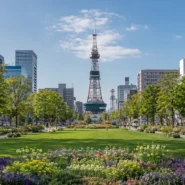
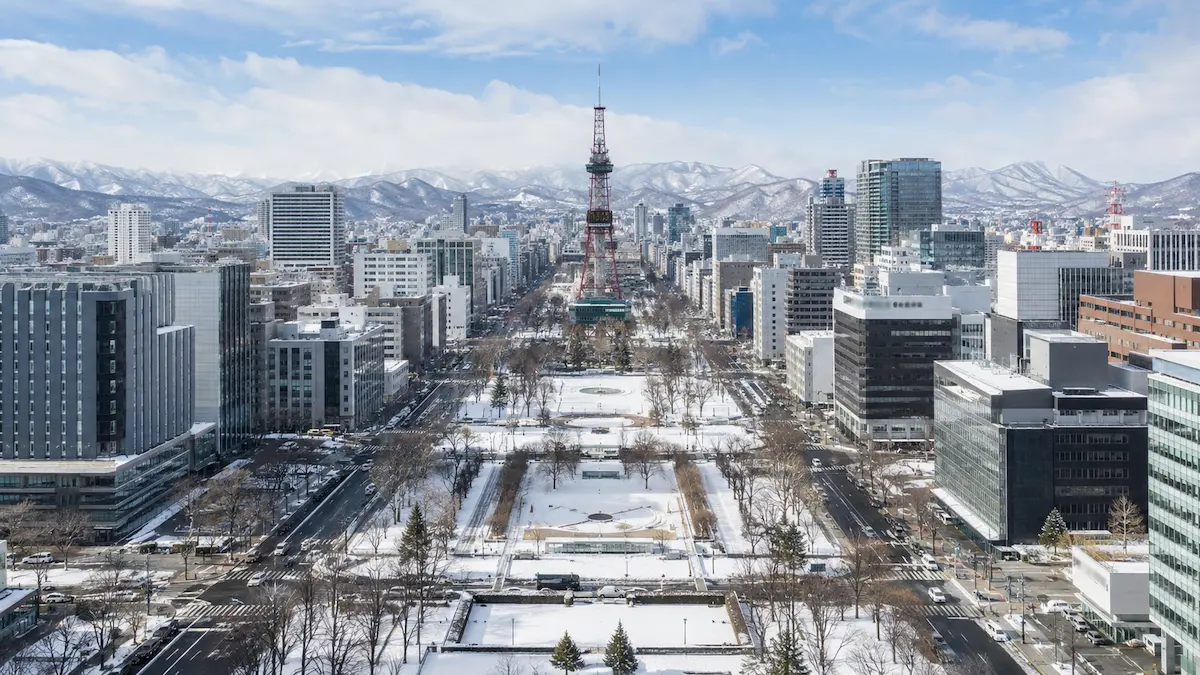
If someone asks for one answer without providing an itinerary, this is it. Odori is the most balanced base in central Sapporo. All three subway lines meet at Odori Station, JR Sapporo Station lies to the north, Susukino lies to the south, and the city’s underground passages reduce exposure to snow and rain. You can walk to the TV Tower, Clock Tower, Tanukikoji, Nijo Market and many central restaurants without designing your day around transport.
Tanukikoji adds another layer of convenience. The covered shopping arcade extends for roughly 900 metres across seven blocks, with convenience stores, pharmacies, souvenir shops, casual restaurants and late-opening businesses. In winter, being able to complete part of your walk beneath a roof is not a minor perk; it can change how tired you feel at the end of each day.
The important distinction is that “Odori” covers a long east-west strip. Staying beside the TV Tower at the eastern end feels different from staying around Nishi 8 or Nishi 10. First-time visitors usually benefit most from the central-east section near Odori Station, Tanukikoji blocks 1 to 5, Pole Town and the northern edge of Susukino.
Best booking zone: between Odori Park and Tanukikoji, ideally close to an Odori or Pole Town exit. This gives you quick access to festivals and daytime sightseeing while keeping dinner options within a short walk.
✅ What Other Travelers Say
Visitors often describe this area as the easiest compromise: calmer than central Susukino, more atmospheric than the station zone and highly walkable. Winter travelers especially appreciate being able to move between underground passages, department stores and the covered arcade instead of fighting the weather for every short journey.
⚠️ The Catch (Things to Keep in Mind)
Demand is high because the location works for almost everyone. Rates can surge during the Snow Festival, summer events and peak weekends. Rooms facing Odori Park or a festival route may receive crowd, traffic or event noise. Also, a hotel marketed with “Odori” in its name can still sit far west of the transport hub, so verify the nearest exit and block number.
Skip this area if: you are taking very early JR trains on most mornings and hate adding a walk to Sapporo Station. Paying slightly more beside the station may save more energy.
🌃 Susukino: Best for Food, Nightlife and Late-Night Energy
Area tags: Ramen · Izakaya · Bars · Late-night dining · Couples and friends
Susukino is where Sapporo feels most alive after dark. The district is packed with ramen shops, jingisukan restaurants, izakaya, cocktail bars, clubs, dessert shops and the famous ritual of finishing the night with a shime parfait. If eating is a major reason for your trip, staying here removes the need to watch the clock or queue for a taxi after the subway stops running.
The transport is still convenient. Susukino Station sits on the Namboku Line, Hosui-Susukino serves the Toho Line, and the underground Pole Town passage connects north toward Odori. Tanukikoji is close enough to provide covered shopping and easy access to pharmacies and convenience stores.
The best version of a Susukino stay is usually on the northern edge near Tanukikoji or around the main station entrances. You keep the food and nightlife advantages while shortening the walk to Odori. Farther south or west, hotel rates may fall, but winter luggage walks, late-night street activity and tram crossings become more noticeable.
Best booking zone: north Susukino, between Susukino Station and Tanukikoji, or a well-reviewed modern hotel with strong soundproofing near a subway exit.
✅ What Other Travelers Say
Food-focused visitors love being able to step outside and find dinner at almost any hour. Couples and groups of friends often prefer the energy, modern hotels and easy walk to Tanukikoji. Travelers also note that the district remains convenient for daytime sightseeing because Odori is only one subway stop away.
⚠️ The Catch (Things to Keep in Mind)
Susukino is an entertainment and red-light district. It is heavily visited and generally feels orderly by big-city standards, but some streets contain host clubs, adult businesses and persistent late-night activity. Noise varies by block. Families, light sleepers and solo travelers who dislike nightlife imagery should choose the northern edge or stay in Odori instead.
Skip this area if: your itinerary begins with early JR departures on several consecutive days, or you need an especially quiet environment for young children.
🍃 Nakajima Park: Best for Quiet Nights, Park Views and Better Value
Area tags: Quiet · Park scenery · Larger rooms · Couples · Families · Value
Nakajima Park is the smart alternative for travelers who want central access without sleeping in the busiest part of the city. Nakajima-Koen Station is on the Namboku Line south of Susukino, so you can reach the main downtown stops quickly while returning to a greener and generally quieter environment. Several hotels here offer larger rooms or better facilities for the same price as a tighter room near Odori.
The park itself adds genuine quality to the stay. Morning walks, seasonal foliage, snow scenery and views toward the water make the neighborhood feel less commercial. This is particularly pleasant on a four- or five-night trip when you want breathing room rather than nonstop shopping streets.
Location within the area matters. The northern edge near Nakajima-Koen Station is the most useful because Susukino remains walkable and subway access is immediate. A hotel deeper south or east may look peaceful but can add an outdoor walk at exactly the time you most want shelter.
Best booking zone: within a very short walk of Nakajima-Koen Station, preferably on the northern half of the park and with a convenience store nearby.
✅ What Other Travelers Say
Guests commonly praise the calm atmosphere, park views, larger rooms and quick subway ride to central Sapporo. Couples and families often feel they receive more comfort for the money, while still being close enough to walk to Susukino when the weather is good.
⚠️ The Catch (Things to Keep in Mind)
The neighborhood has fewer shops and late-night restaurants than Odori or Susukino. Park paths can be snowy, dark or inconvenient with luggage, and not every attractive park-side hotel sits beside the station entrance. If you expect to eat late every night, the repeated trip back from Susukino may become annoying.
Skip this area if: you want shopping and restaurant choice immediately outside your door, or every minute of your itinerary is centred north of Odori.
♨️ Jozankei Onsen: Best for a Ryokan Escape and Complete Reset
Area tags: Onsen · Ryokan · Nature · Kaiseki meals · Couples · Split stay
Jozankei is technically within Sapporo, but it should be treated as a separate mountain onsen stay rather than another downtown neighborhood. The valley setting, hot-spring baths, ryokan meals and slower pace provide a complete contrast to the city centre. It works beautifully as the final one or two nights of a Hokkaido trip, especially after several days of winter sightseeing or skiing.
The strongest reason to stay overnight is not simply access to a bath. Day-trippers leave, the valley becomes quieter, and you can enjoy dinner, evening baths and a slow morning without spending two long bus journeys in one day. Many ryokan rates include dinner and breakfast, so compare the total experience rather than the room-only price.
Transport requires planning. The direct Kappa Liner from Sapporo takes about 60 minutes and ordinary route buses can take around 80 minutes. Some inns provide shuttles, but schedules and reservation rules vary. There is no train station, and heavy snow or traffic can affect road journeys.
Best booking strategy: choose the ryokan first, then confirm the exact bus stop, shuttle reservation, meal cutoff time, tattoo policy, private-bath options and luggage storage before paying.
✅ What Other Travelers Say
Travelers value the dramatic change of pace, outdoor baths, seasonal scenery and the convenience of having dinner and breakfast included. Couples and repeat visitors to Sapporo often describe one night here as more memorable than adding another night in a standard city hotel.
⚠️ The Catch (Things to Keep in Mind)
Jozankei is a poor base for visiting Odori, Susukino, Otaru or early-morning city attractions every day. Dining outside your ryokan is limited at night, bus timing matters, and missing a reserved service can disrupt the whole day. Some traditional properties also have fixed meal times and stricter bathing customs than international hotels.
Skip this area if: you have only two or three nights in Sapporo, need flexible late-night dining, or plan multiple JR day trips. Stay downtown and visit Jozankei as a day trip instead.
How to Choose Between the Five Areas
Choose Sapporo Station when you will use JR on two or more days, arrive late from New Chitose Airport, leave early, carry ski gear or simply want the lowest-friction transport plan.
Choose Odori or central Tanukikoji when this is your first Sapporo visit and your itinerary mixes sightseeing, food, shopping and one or two day trips. It is the safest recommendation for most travelers because no single compromise is severe.
Choose Susukino when dinner, drinks and nightlife are central to the trip and you would rather walk home than end the evening around a last train.
Choose Nakajima Park when sleep quality, room size and value matter more than having endless shops downstairs. Stay close to the subway entrance to preserve the advantage.
Choose Jozankei only as a deliberate onsen break. One night is enough for many first-time visitors; two nights suit travelers who want a true rest day, private baths or seasonal outdoor activities.
Key FAQs
Is it better to stay near Sapporo Station or Susukino for a first trip?
Stay near Sapporo Station if you prioritize New Chitose Airport access, Otaru or other JR day trips, early departures and minimal transfers. Stay in Susukino if food, nightlife and late dinners are more important. For a balanced first trip, Odori or the northern side of Tanukikoji is usually better than either extreme.
What is the best area to stay in Sapporo in winter with luggage?
The best winter choice is a hotel with a short, simple route to Sapporo Station, Odori Station, Pole Town or Tanukikoji’s covered arcade. Direct underground access is ideal, but verify elevators and the correct numbered exit. Do not choose solely by a map’s walking time because snowbanks, ice and crossings make outdoor routes slower.
Where should I stay in Sapporo for day trips to Otaru, Furano or Biei?
Sapporo Station is the best base for Otaru and rail-based trips because it removes a daily subway transfer. Furano and Biei itineraries often use tours or seasonal transport, so check the exact meeting point before booking; many tours depart near Sapporo Station, Odori or central hotels. If you have several early starts, stay near the departure point rather than choosing Susukino for nightlife.
Final Verdict and Your Next Step
For most first-time visitors, Odori and the central Tanukikoji area are the best areas to stay in Sapporo. They reduce transport decisions, keep food and shopping close, and provide the most useful shelter from bad weather. Sapporo Station is the better choice for a rail-heavy itinerary, while Susukino wins for nightlife. Nakajima Park is the value-and-sleep option, and Jozankei is a separate onsen escape rather than a downtown substitute.
Before booking, open the map and trace the real route from your platform, bus stop or underground exit to the hotel entrance. Check road crossings, stairs, covered sections and the side of the station. That five-minute check can save far more time and effort than comparing another twenty hotel photos.
Good-value central rooms disappear early for the Snow Festival, autumn weekends and major events. Once your flights are fixed, reserve a refundable room rather than waiting for a last-minute bargain in a less practical location.
Check current Sapporo accommodation:
Compare Sapporo hotels on Agoda ·
Compare Sapporo hotels on Booking.com ·
Check Sapporo hotels on Klook
Book tours, transfers and day trips:
Browse Sapporo activities on Klook ·
Browse Sapporo tours on KKday