
💡 Key Takeaways
- Use a simple three-part route: the central island on Day 1, the outer riverside loop on Day 2, and Bang Pa-In on Day 3. This is the cleanest way to stop zigzagging across bridges.
- Wat Mahathat is best at opening time, while Wat Chaiwatthanaram is best in the late afternoon—but the latter is also busy around golden hour, so arrive well before sunset.
- Do not put Bang Pa-In Palace, six Ayutthaya temples and a river cruise into one day. The palace is roughly 20 kilometres south of the historical island and closes much earlier than the main ruins.
- As verified in August 2026, foreign admission at each of the seven Fine Arts Department monuments is THB 80; the seven-site combined ticket is THB 300. The old THB 50/220 prices still copied by many blogs are outdated.
- There is no magical skip-the-line pass for the ruins. Online QR vouchers are mainly for tours, guides or private vehicles, not a fast lane at temple ticket booths.
A good 3-day Ayutthaya itinerary should feel almost suspiciously relaxed. That is the point. First-time visitors usually make one of two mistakes: they treat the UNESCO city as a compact pedestrian park, or they copy a Bangkok day-tour schedule that races from Bang Pa-In to five temples in the hottest part of the day. Ayutthaya is flat, but it is spread across an island and several riverbanks. The railway station is not inside the heritage core, shade is scarce, and the bridges that look short on a map are unpleasant places to improvise with a bicycle or suitcase.
This itinerary makes the classic route—Island Core → Outer Riverside Loop → Royal South—the main event. You still see the Buddha head in tree roots, the royal chedis, the living temples, the most dramatic riverside ruin and Bang Pa-In Palace. What you lose is the pointless backtracking, the midday temple marathon and the feeling that every red-brick ruin has blurred into the next one.
The 1-Min Cheat Sheet
- Wat Mahathat and Wat Ratchaburana: Best for first-time visitors, photographers and travellers who want the essential ruins without a full-day history lecture. Allow 2–2.5 hours for both. Foreign admission is THB 80 per monument, or use the THB 300 seven-site Fine Arts Department ticket; Thai admission is THB 10 per monument or THB 40 for the combined ticket. The practical gateway is Ayutthaya Railway Station followed by a short tuk-tuk ride; the two ruins themselves are only a few minutes apart on foot. No reservation is normally required. Arrive at 08:30, when the ticket gates open. The catch: Wat Mahathat’s tree-root Buddha becomes a tour-group photo queue later in the morning, while the prang and crypt stairs at Ratchaburana may be steep, slippery or restricted for conservation.
- The Royal Quarter: Wat Phra Si Sanphet, Wihan Phra Mongkhon Bophit and Chao Sam Phraya National Museum: Best for history-minded travellers who want context, not just photographs. Allow 3–4 hours including a museum visit and a cooling break. Wat Phra Si Sanphet costs THB 80 for foreign visitors and is included in the historical-park combination ticket; the active wihan is generally free to enter, while Chao Sam Phraya National Museum is THB 200 for foreigners and THB 30 for Thai visitors. From Ayutthaya Railway Station, take a tuk-tuk to the museum or royal-quarter entrance. No advance booking is normally needed. Use the museum around 12:00–14:00, then visit the wihan before its earlier closing time and the chedis after 15:30. The catch: the museum is listed as open Tuesday–Sunday, 09:00–16:00, and closed Monday; the exposed palace grounds are punishing at noon.
- Wat Yai Chai Mongkhon and Wat Phanan Choeng: Best for travellers who want active Buddhist life as well as ruins. Allow 2.5–3 hours for the pair. The Tourism Authority of Thailand currently lists admission at THB 20 for each temple. Both sit outside the historical island; use a hired tuk-tuk, taxi or car from Ayutthaya Railway Station or your hotel. No tourist reservation is normally required. Reach Wat Yai Chai Mongkhon at its 08:00 opening, then continue to Wat Phanan Choeng before late morning. The catch: Wat Yai’s chedi has real stairs and Wat Phanan Choeng is a functioning place of worship, so weekend merit-making crowds and ceremonies matter more than the usual tourist rhythm.
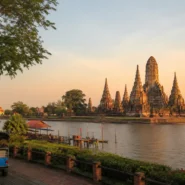
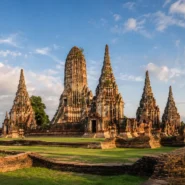
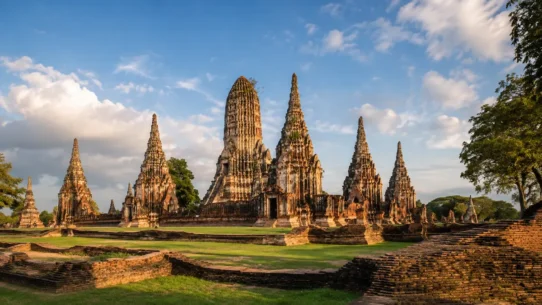
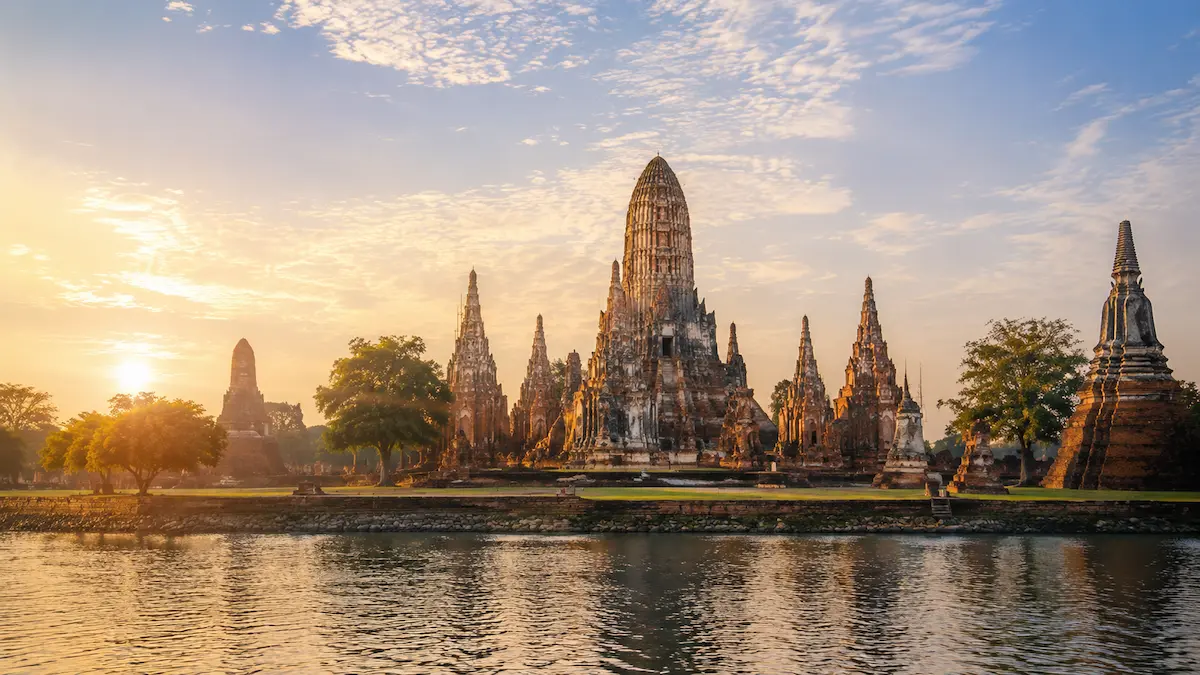
- Wat Chaiwatthanaram: Best for architecture lovers, sunset photographers and anyone choosing just one large riverside ruin. Allow 1.5–2 hours. Foreign admission is THB 80 and the site is included in the THB 300 Fine Arts Department ticket. It lies on the west bank of the Chao Phraya, so use a tuk-tuk or retained driver rather than assuming it is an easy stroll from the island. No reservation is normally required. Arrive around 15:45–16:15, not five minutes before sunset. The catch: it is extremely exposed, late-afternoon costume photo shoots create congestion, and you still need transport away after the light fades.
- Bang Pa-In Royal Palace and Wat Niwet Thammaprawat: Best for travellers who enjoy landscaped grounds, royal history and mixed Thai, Chinese and European architecture. Allow 3–4 hours including the river crossing to Wat Niwet. Current visitor information consistently lists foreign palace admission at THB 100 and Thai adult admission at THB 30; Wat Niwet is free, with donations welcomed. Bang Pa-In Railway Station is the nearest train stop, but a pre-booked driver from Ayutthaya is much simpler. A standard tourist visit normally needs no advance ticket, though royal functions can affect access. Reach the palace at 08:00; visit Wat Niwet once its cable car and temple are operating. The catch: strict dress rules apply, the lawns involve more walking than the map suggests, some interiors prohibit photography, and this is not beside the Ayutthaya ruins—it is roughly 20 kilometres south.
Tourist Traps to Avoid & Itinerary Hacks
- The “everything in one day” trap: Bang Pa-In, Wat Yai Chai Mongkhon, Wat Mahathat, Wat Phra Si Sanphet, Wat Chaiwatthanaram, a floating market and a sunset boat can appear on one sales page. It works only because each stop becomes a rushed photo call. On a three-day trip, separating Bang Pa-In is the single biggest improvement you can make.
- Arriving from Bangkok at 10:30 and starting with Wat Mahathat: This lands you at the city’s most famous photo spot with the day-tour wave. Stay two nights and visit at opening, or travel to Ayutthaya the previous evening.
- Treating “Ayutthaya Historical Park” as one gated park: It is a broad archaeological landscape with roads, neighbourhoods and separately ticketed monuments. The station, eastern temples and Wat Chaiwatthanaram all sit outside the central walking cluster.
- Renting a bicycle before looking at the whole route: Cycling works for the central island in cool, dry weather. It is a poor default for bridge crossings, outer-bank temples, heavy rain, midday heat, small children or anyone uncomfortable in mixed traffic. Inspect brakes and tyres, wear a helmet, and never leave a passport as collateral if another form of deposit is accepted.
- Assuming a tuk-tuk quote covers the whole day: Ayutthaya tuk-tuks are practical, but there is no tourist-wide meter or universal sightseeing tariff. Agree on the stops, total hours, waiting time, final drop-off and total price before departure. Photograph the agreed route or exchange a messaging contact so your driver does not disappear while you are inside a large site.
- Buying the old THB 220 temple pass: Official 2026 Fine Arts Department information lists a THB 300 foreign combination ticket covering seven monuments. At THB 80 each, it saves money from the fourth included monument onward. Wat Yai Chai Mongkhon, Wat Phanan Choeng, Chao Sam Phraya National Museum and Bang Pa-In Palace are separate and not covered.
- Planning the national museum for Monday: Chao Sam Phraya is the best midday heat escape and explains treasures recovered from the ruins, but current visitor information lists Monday as its weekly closing day. Move the museum to Day 2 if your Day 1 is Monday, and keep a café or hotel rest as the heat break.
- Turning the artificial floating market into a “must-see”: Ayothaya Floating Market is a modern themed attraction, not part of the UNESCO core. Go if you actively want staged entertainment and shopping; do not sacrifice the museum or late-afternoon light at Wat Chaiwatthanaram for it.
- Paying for an “elephant experience” because it is bundled: It is not necessary to understand Ayutthaya, and many travellers are uncomfortable with riding and performance-based animal attractions. Choose a temple-and-transport package without animal activities.
- Ordering river prawns without confirming the bill: Large prawns can be sold by weight and prices vary sharply by size. Ask for the price per kilogram, the approximate weight and any cooking charge before ordering. Boat noodles and roti sai mai are much easier budget wins.
- Waiting until sunset to call a ride from the west bank: App-based cars are not as instantly available as in central Bangkok. Retain a driver, set a pickup time or ask your accommodation to arrange the return before entering Wat Chaiwatthanaram.
The Perfect 3-Day Itinerary at a Glance
The order below follows both geography and energy. Day 1 is almost entirely on the island, with the museum placed in the hottest hours. Day 2 makes one deliberate clockwise outer loop from the eastern temples to the west-bank sunset site, with a long midday pause instead of more bricks. Day 3 goes south to Bang Pa-In, where the earlier closing time and travel distance deserve their own half-day. That is more efficient than repeatedly crossing the rivers or attaching the palace to an already full temple day.
Day 1: The Central Island—Iconic Ruins, Museum and Royal Quarter
- Suggested start: Be at Wat Mahathat’s entrance by 08:20 for the 08:30 opening. If you are arriving from Bangkok that morning, choose a train that leaves enough time to drop bags first; otherwise begin this itinerary on the following day.
- Main order: Wat Mahathat → short walk to Wat Ratchaburana → early lunch near Chikun Road → Chao Sam Phraya National Museum → shaded rest or hotel break → Wihan Phra Mongkhon Bophit → Wat Phra Si Sanphet.
- Between stops: Walk roughly 350 metres between Mahathat and Ratchaburana. Use a short tuk-tuk ride to the museum/royal quarter unless the weather is genuinely comfortable. The wihan and Wat Phra Si Sanphet are adjacent.
- Walking and effort: Approximately 5–7 kilometres if you walk every connection; closer to 3–4 kilometres with one tuk-tuk hop. The ground is mostly flat but includes broken brick, grass, thresholds and steep optional stairs. Effort is moderate because of heat exposure, not elevation.
- Lunch strategy: Eat around 11:00–11:30 before the standard lunch rush. Choose a simple local restaurant within the central cluster. Roti sai mai is a snack for later, not enough fuel for a hot afternoon.
- Easiest stop to cut: Wat Phra Ram. It is visually appealing and included in the combination ticket, but it adds another exposed ruin when temple fatigue has already arrived.
- Rain or low-energy alternative: Spend longer at Chao Sam Phraya National Museum, take a proper café break, then visit only the wihan and Wat Phra Si Sanphet. In heavy rain, skip Ratchaburana’s stairs and any crypt descent.
Day 2: The Outer Riverside Loop—Living Temples and a West-Bank Sunset
- Suggested start: Leave your hotel around 07:35 and reach Wat Yai Chai Mongkhon just before 08:00. Pre-arrange the morning tuk-tuk or car the night before.
- Main order: Wat Yai Chai Mongkhon → Wat Phanan Choeng → early riverside or local lunch → hotel/café rest from roughly 12:00–15:00 → Wat Chaiwatthanaram from about 15:45.
- Between stops: Use one hired tuk-tuk or car. The two morning temples are on the east/southeast side; after lunch, return to the island for a shower and rest, then make one west-bank transfer. If retaining a driver all day is expensive, book a morning circuit and a separate fixed-price late-afternoon return trip.
- Walking and effort: Roughly 4–5 kilometres inside the three compounds, plus steep optional chedi steps at Wat Yai. Effort is moderate; choose “no stairs” if knees, balance or wet weather are concerns.
- Lunch strategy: Eat before noon near Wat Phanan Choeng or back on the island. If ordering famous grilled river prawns, confirm the full pricing method first. Do not spend two hours crossing town for a social-media café.
- Easiest stop to cut: Wat Phanan Choeng. It is culturally valuable, but travellers focused only on ruins may prefer a slower Wat Yai visit and a longer rest before Wat Chaiwatthanaram.
- Rain or low-energy alternative: Skip Wat Yai’s upper stairs and move Chao Sam Phraya National Museum here if it was closed or omitted on Day 1. If rain is heavy near sunset, postpone Wat Chaiwatthanaram to the next clear morning rather than navigating slick raised platforms.
Day 3: Royal Ayutthaya South—Bang Pa-In Without the Temple Marathon
- Suggested start: Depart central Ayutthaya around 07:15–07:25 by pre-booked car or tuk-tuk and aim for the palace’s 08:00 opening. Confirm the opening time and any royal closure the day before.
- Main order: Bang Pa-In Royal Palace → optional Wat Niwet Thammaprawat via the cable car by the palace parking area → lunch in Bang Pa-In or on the return → collect luggage → depart Ayutthaya.
- Between stops: A retained vehicle is the least stressful choice. Local trains between Ayutthaya and Bang Pa-In can be very cheap, but departures are limited and Bang Pa-In station is still a substantial walk from the palace in the heat. Use the official SRT timetable rather than an old blog screenshot.
- Walking and effort: Expect 4–6 kilometres across landscaped grounds and the temple island. The palace is smooth compared with the ruins, but large. A paid golf cart may help travellers with limited stamina; rental conditions and availability should be checked on arrival.
- Lunch strategy: Carry water and a small snack, then eat after the palace. Do not delay the 08:00 start for a long breakfast—the quiet first hour is worth more than a hotel buffet refill.
- Easiest stop to cut: Wat Niwet Thammaprawat. Keep it if the cable car is running promptly and you enjoy unusual architecture; cut it if you have a fixed onward train or the crossing has a queue.
- Rain or low-energy alternative: The palace is mostly an outdoor garden, so this is the weakest wet-weather day. Use a golf cart if operating, shorten the grounds to the principal pavilions, or stay in Ayutthaya for the museum and a relaxed lunch before departure.
Save Your Legs! The Most Efficient Route
Pair by cluster, not by fame. Wat Mahathat and Wat Ratchaburana belong together because they are virtually neighbours. Chao Sam Phraya National Museum, Wihan Phra Mongkhon Bophit and Wat Phra Si Sanphet form the second compact island cluster. Wat Yai Chai Mongkhon and Wat Phanan Choeng sit on the same outer-eastern side, so one vehicle can cover both before lunch. Wat Chaiwatthanaram is across the Chao Phraya on the west bank and deserves a dedicated late-afternoon transfer.
Some places look close but should not share the same time slot. Wat Mahathat and Wat Chaiwatthanaram are only a few kilometres apart in a straight line, yet the river and road crossings make them different transport jobs—and both have their own peak crowd window. Likewise, Bang Pa-In appears in “Ayutthaya” search results but is roughly 20 kilometres south. Adding it between central ruins wastes the coolest morning and risks reaching the palace after ticket sales have ended.
Use each transport mode for what it does best. Walk within the two Day 1 clusters. A bicycle is reasonable only for confident riders staying on the central island in suitable weather. Use a tuk-tuk or car for Day 2’s outer temples, the west bank and Day 3’s palace. Use the train for travel between Bangkok, Ayutthaya and—only if the timetable aligns—Bang Pa-In; it is not an efficient sightseeing shuttle within Ayutthaya. Local boats are atmospheric, but schedules and piers are too variable to anchor a tight route. Taxis or app-based cars can work, but keep a return plan at remote sites.
Expect awkward surfaces. The city is flat, but the monuments are not barrier-free. Wat Ratchaburana’s prang/crypt route and Wat Yai’s chedi involve steep stairs. Wat Chaiwatthanaram has raised brick platforms, steps and uneven edges. Wat Mahathat and Wat Phra Si Sanphet mix grass, dirt and broken masonry. Rain makes stone and brick slippery. Large-wheeled strollers can manage some outer paths, but a lightweight carrier is more practical for interior ruins. Wheelchair users should contact sites in advance and plan viewpoint-based visits rather than assuming every monument can be entered.
Where to Stay for the Least Transport Time
Central island near Naresuan Road, Chikun Road or Wat Mahathat: This is the best all-round base for this itinerary. Day 1 starts easily, casual food is nearby and you can return for the crucial midday break. The compromise is that the railway station is across the Pa Sak River and some lanes become quiet at night.
East bank near Ayutthaya Railway Station: Best for budget travellers with an early or late train. It is not best for sightseeing on foot: you still need the road bridge, a local ferry when operating, or a tuk-tuk to reach the island. Do not drag wheeled luggage toward the ferry without confirming that the pier is open and the boat can handle it safely.
South or west riverside: Best for boutique stays, river views and relaxed dinners. It can be wonderfully atmospheric, but it increases dependence on tuk-tuks or a hotel shuttle. Choose it for the stay itself, not because a map makes Wat Chaiwatthanaram look walkable.
Luggage: Store It Once, Not at Every Temple
Stay in one Ayutthaya hotel for both nights. Ask it to hold bags before check-in on Day 1 and after checkout on Day 3; obtain confirmation before arrival. If you are returning to the same Bangkok hotel, leave large suitcases there and bring a two-night bag. Ayutthaya Railway Station has traveller-reported left-luggage options, but there is no sufficiently clear official online guarantee of current hours, capacity or price, so treat it as a backup and verify at the staffed counter. If continuing north by train, leave luggage at your Ayutthaya hotel until the final transfer rather than carrying it to Bang Pa-In. Same-day Bangkok luggage-delivery services do not automatically cover Ayutthaya, so confirm the exact route before paying.
Ticket Tips & Skip-the-Line Hacks
Check the latest official opening hours, weekly closing days, public-holiday notices and reservation rules before departure. The Fine Arts Department can extend hours for special night events or restrict areas for conservation; Bang Pa-In can change access for royal use; active temples can host ceremonies. The official Ayutthaya Historical Park social channel and the State Railway of Thailand timetable are more useful than a cached itinerary.
For independent travellers, the main historical monuments are still straightforward walk-up purchases. The 2026 Fine Arts Department rate is THB 80 per foreign visitor at each of seven included monuments, or THB 300 for the combined ticket covering Wat Mahathat, Wat Ratchaburana, Wat Phra Ram, Wat Phra Si Sanphet and the Ancient Palace, Wat Chaiwatthanaram, Wat Maheyong and Wat Kudi Dao. Buy it at a participating ticket window and ask the cashier to confirm its current validity period. If you will visit only Mahathat, Ratchaburana and Chaiwatthanaram, three individual tickets total THB 240 and are cheaper; at four included sites, the THB 300 pass wins.
Wat Yai Chai Mongkhon and Wat Phanan Choeng currently charge separately at their entrances. Chao Sam Phraya National Museum and Bang Pa-In Palace also have their own tickets. Walk-up purchase is normally sufficient for all of them. There is no credible official “skip the line” channel for these ordinary admission booths, and queues are rarely the main time loss—the crowd at the photo spot, heat and transport between riverbanks are.
What can be booked online with a QR code or electronic voucher? Guided day tours, meeting-point transfers and private car charters sold by travel platforms. These are worth reserving ahead for a weekend, holiday or family group because the scarce item is a good vehicle/guide, not temple admission. Read the package inclusions carefully: one currently listed Klook tour explicitly says admission tickets are bought on site. A platform voucher may need to be shown to the operator and is not a QR fast lane at the ruins.
Pre-booking options checked as live purchase pages on 23 August 2026:
- Check the Klook Ayutthaya temples tour—useful if you only have a day; admission is currently described as an on-site extra, so budget separately.
- Check the KKday Ayutthaya temples one-day tour—compare the exact package duration, language, inclusions and meeting point before payment.
- Check the Klook Bangkok–Ayutthaya private car charter—most useful for families, mobility-limited travellers or a controlled Bang Pa-In day.
- Check the KKday private Ayutthaya charter—confirm overtime, tolls, parking, child seats and whether a licensed guide is included.
Affiliate disclosure: the links above may earn this website a commission at no extra cost to you. Availability, prices and inclusions remain controlled by the booking platform and operator.
Tried & Tested: My Honest Review
This is an editorial route verdict based on current official notices, site layout and recurring themes in recent traveller feedback—not a promise that every stair, room or transport service will be open on your day. For each anchor stop, the video below was the highest-view attraction-focused result surfaced by YouTube’s view-count sort when checked on 23 August 2026; each URL was live and returned a valid embeddable player. Popularity can change.
📍 Stop 1: Wat Mahathat and Wat Ratchaburana
Iconic Buddha head • Best opening-time stop • Two-ruin walking cluster • High crowd risk
Video correction: the older THB 50 entrance price shown in this video’s title is outdated. The verified 2026 foreign rate is THB 80.
Wat Mahathat earns its fame, but the tree-root Buddha is only a small part of a sprawling, atmospheric ruin. The smartest move is to photograph the head respectfully first, before the queue forms, then walk the full compound. Ratchaburana is the perfect follow-up because it changes the visual rhythm: a dominant central prang, detailed stucco and a more vertical experience. Together they give a better opening chapter than three unrelated temples reached by tuk-tuk.
✅ What Other Travelers Say
Recurring praise focuses on the extraordinary tree-root image, the scale beyond the famous photograph and how easy it is to walk between the two sites. Many travellers find Ratchaburana quieter and more architecturally rewarding than expected.
⚠️ The Catch (Things to Keep in Mind)
Mahathat feels least serene when tour groups arrive. Keep your head lower than the Buddha image when posing, follow staff instructions and never touch the roots. At Ratchaburana, the prang and crypt access can involve confined, steep stairs and may close for weather or conservation. Do not buy the combined ticket here automatically—count how many of the seven covered sites you will actually enter.
📍 Stop 2: The Royal Quarter and Chao Sam Phraya National Museum
Royal chedis • Best history context • Midday indoor reset • Minimal shade outside
Wat Phra Si Sanphet’s three aligned chedis are Ayutthaya’s most convincing expression of royal scale. They are more meaningful after the museum explains what was excavated from the city and how the sacred and royal compounds worked. The adjacent Wihan Phra Mongkhon Bophit adds a living religious space to a day otherwise dominated by ruins. This is why the museum belongs in the itinerary, not in a vague “if there is time” footnote.
✅ What Other Travelers Say
Visitors repeatedly praise the symmetry and photogenic scale of the chedis, while history-minded travellers value the museum’s gold objects and recovered artefacts as the missing explanation behind the ruined brickwork.
⚠️ The Catch (Things to Keep in Mind)
The royal quarter has little shade and can feel repetitive if reached after several midday temples. The museum’s current schedule is Tuesday–Sunday, 09:00–16:00, with Monday closed, and some galleries or objects may rotate. Dress respectfully for the active wihan, remove shoes where directed and never assume its hours match the later-closing archaeological site.
📍 Stop 3: Wat Yai Chai Mongkhon and Wat Phanan Choeng
Living temples • Panoramic chedi • Early start essential • Weekend worship crowds
This pair prevents a common mistake: seeing Ayutthaya only as a dead archaeological park. Wat Yai Chai Mongkhon combines restored architecture, a reclining Buddha and a climbable focal chedi. Wat Phanan Choeng is a functioning temple centred on a monumental seated Buddha and a long tradition of worship. Visit with the awareness that local religious practice takes priority over tourist photography.
✅ What Other Travelers Say
Travellers often single out the elevated view and rows of Buddha images at Wat Yai, while Wat Phanan Choeng is praised for its active atmosphere and impressive interior rather than picturesque ruins.
⚠️ The Catch (Things to Keep in Mind)
The stairs at Wat Yai are steep, exposed and optional. At Wat Phanan Choeng, ceremonies, incense, donation activity and domestic tour groups can compress the interior flow, especially on weekends and Buddhist holidays. Shoulders and knees should be covered at both, voices kept low, and worshippers given space.
📍 Stop 4: Wat Chaiwatthanaram
Best large ruin • West-bank sunset light • Costume-photo hotspot • Return ride required
If you keep only one grand exterior ruin beyond the island, make it this one. The central prang and surrounding towers read as a coherent composition from a distance, while the raised galleries reveal a much more layered site up close. Late light softens the brick, but “sunset” should mean arriving ninety minutes before it—not turning up when the gate is preparing to close.
✅ What Other Travelers Say
Scale, symmetry and riverside light dominate positive feedback. Many visitors consider it their favourite Ayutthaya monument, particularly when they have enough time to walk the perimeter instead of taking one front-facing photograph.
⚠️ The Catch (Things to Keep in Mind)
Golden hour is not empty hour. Costume-rental clients, tripods and group tours converge in the same viewpoints. The site has little shade and uneven raised surfaces, and temporary barriers must be respected. Arrange your pickup before entering; the west bank is a frustrating place to begin negotiating transport after dark.
📍 Stop 5: Bang Pa-In Royal Palace and Wat Niwet Thammaprawat
Royal gardens • Mixed architecture • Best at opening • Strict dress code • 20 km south
Bang Pa-In is worth visiting precisely because it does not look like another Ayutthaya ruin. Its pavilions, waterways and later royal architecture provide contrast after two brick-heavy days. Wat Niwet, reached by a small cable car across the river when operating, extends that contrast with a Gothic-inspired Buddhist temple. This is a graceful final half-day, not a box to tick between four island temples.
✅ What Other Travelers Say
Visitors appreciate the manicured grounds, architectural variety and calm first hour. The cable-car approach and stained-glass character of Wat Niwet are frequently described as an unexpected highlight.
⚠️ The Catch (Things to Keep in Mind)
Travellers expecting ancient ruins may find the palace less compelling, and the compound is larger and hotter than photographs suggest. Cover shoulders and knees, avoid tight or torn clothing, carry photo ID, obey no-photography signs and expect individual buildings to close without much notice. The cable car is small, not an attraction with guaranteed departures; skip Wat Niwet if it threatens your onward train.
Key FAQs
Is three days too long for Ayutthaya for a first-time visitor?
No. Three days is generous but not excessive if you use two nights, take midday breaks and include Bang Pa-In. A fast traveller can see the headline ruins in one day, but that usually means the harshest heat, tour-bus crowds and little historical context. This plan uses Day 3 as a half-day, so it still fits an onward journey.
What is the best way to get around Ayutthaya for three days without a car?
Walk inside the central clusters, hire a tuk-tuk for the outer-temple loop, and pre-arrange a car or tuk-tuk to Bang Pa-In. A bicycle is economical for a cool central-island day but not the best tool for every riverbank. Trains are useful to reach Ayutthaya and potentially Bang Pa-In, but check the live SRT timetable and do not build a sightseeing day around infrequent local departures.
Can you visit Bang Pa-In Palace and Ayutthaya Historical Park in the same day?
Yes, but it is a compromise. Start at Bang Pa-In at opening, use a private vehicle and limit Ayutthaya to two or three major temples. On a three-day itinerary, separating the palace protects the cool morning at Wat Mahathat, avoids a 40-kilometre south-and-back detour and gives Wat Chaiwatthanaram enough late-afternoon time.
Final Verdict and Your Next Step
The perfect three-day Ayutthaya trip is not the one with the most temple names. It is the one where you remember why each place mattered. Keep Day 1 compact and historical, use Day 2 for the living temples and the west-bank finale, and let Day 3 belong to Bang Pa-In. Book one hotel for two nights, protect the middle of each hot day and keep at least one optional stop disposable.
If you are travelling independently, buy the official monument ticket at the first participating gate after deciding whether you will enter at least four covered sites. If you want a guide, fixed Bangkok transfer or private vehicle, reserve the electronic voucher before departure—especially for a weekend or holiday—but check every inclusion and do not mistake it for a temple skip-the-line ticket.
Ready to lock in the transport? Compare the currently live Klook Ayutthaya private-car option or the KKday Ayutthaya guided-tour option, then compare the cancellation deadline, pickup boundary, overtime, admission policy and guide language before you pay.
Fact-Check Sources
Use these primary or official pages again shortly before travel:
- Fine Arts Department: 2026 Ayutthaya single and combination ticket rates
- Ayutthaya Historical Park official updates
- Tourism Authority of Thailand: Wat Yai Chai Mongkhon and Wat Phanan Choeng
- Tourism Authority of Thailand: Bang Pa-In Palace and Wat Niwet Thammaprawat
- State Railway of Thailand live timetable
- UNESCO: Historic City of Ayutthaya