

💡 Key Takeaways
- Your hotel location matters more than a small room-price difference. In Bangkok, saving a little on a hotel can cost you far more in traffic, ride-hailing fares and wasted hours. For a first trip, staying within a short walk of BTS, MRT or a useful river pier is usually worth paying for.
- Do not plan Bangkok as one giant sightseeing checklist. Old Town temples, Siam shopping, Sukhumvit nightlife and the riverside are not next door to each other. Group each day geographically or you will spend too much of your holiday crossing the city.
- The classic “the temple is closed” approach is still a red flag. If a stranger near a major attraction tells you it is closed and immediately offers a cheap tuk-tuk tour, verify the information yourself before changing your plan.
A good Bangkok travel guide for first-time visitors should start with the uncomfortable truth: Bangkok is easy to enjoy but surprisingly easy to plan badly. The map makes many attractions look close, yet heat, traffic, large intersections, long station walkways and disconnected transport systems can turn a simple-looking day into hours of unnecessary transit. The biggest first-timer mistake is not choosing the “wrong attraction”; it is choosing the wrong base, overloading each day and assuming every journey will be as fast as it looks on Google Maps.
Bangkok rewards travellers who slow the itinerary down and think in clusters. Spend one morning around the Grand Palace, Wat Pho and the river rather than bouncing back to Sukhumvit for lunch. Combine Siam, Ratchaprasong and Pratunam instead of crossing town for a market you could visit another day. If you are carrying luggage, pay even more attention to station access, stairs, walkways and the final 500 metres between transit and your hotel. A “12-minute walk” in Bangkok can feel very different at 2:00 p.m. with a suitcase.
This guide focuses on the decisions that genuinely affect a first trip: where to stay, how to get in from BKK or DMK, which neighbourhoods are worth your time, when taxis are smarter than trains, what tourist traps to ignore, which famous sights are genuinely worthwhile, and where the hype can exceed the experience.
The 1-Min Cheat Sheet
- Best all-round base for a first visit: Asok/Sukhumvit if you want BTS + MRT convenience, restaurants and nightlife without relying on taxis for everything.
- Best for shopping: Siam, Chit Lom or Ratchathewi/Pratunam. Stay near rail if you plan to shop heavily; do not drag full suitcases through packed market streets if you can avoid it.
- Best for temples and historic Bangkok: Old Town/Rattanakosin, especially if temples are your priority. The trade-off is weaker late-night rail connectivity than central Bangkok.
- Best for food and atmosphere: Chinatown/Yaowarat and Talat Noi. Fantastic after dark, but traffic and narrow pavements make door-to-door taxi timing unpredictable.
- Best for a calmer upscale stay: Riverside, particularly near Saphan Taksin/Sathorn Pier or a hotel with a reliable shuttle boat.
- Best airport strategy from BKK: Airport Rail Link is excellent when you arrive during operating hours and your hotel connects logically to Phaya Thai or Makkasan. A taxi or Grab is often easier for two or more people with luggage, late arrivals or hotels requiring multiple transfers.
- Best airport strategy from DMK: The Red Line can save you from road traffic if the onward connection makes sense. If your final hotel is deep in Sukhumvit, Riverside or Old Town, compare the number of transfers with a direct taxi before choosing rail automatically.
- How long to stay: Three full days covers the essentials at a brisk pace; four to five days is much more comfortable and gives you room for markets, food, nightlife and bad-weather flexibility.
- Do not buy transport cards blindly: BTS and MRT are separate systems. The MRT Blue/Purple Lines support EMV contactless payment, while BTS has its own ticketing options. For a short stay, single fares may be simpler than collecting multiple cards.
- Most overrated first-timer move: Spending half a day going far outside central Bangkok for a staged market photo when you only have three days in the city. Bangkok itself has more than enough food, markets and neighbourhood life to fill the trip.
Top Survival Tips
- Book by station, not by neighbourhood name. “Sukhumvit” covers a huge corridor. A hotel described as “in Sukhumvit” can still be a long, hot walk from the nearest BTS station. Check the walking route, not just the straight-line distance, and aim for roughly 5–8 minutes on foot if transport convenience is a priority.
- Avoid unnecessary rail transfers with luggage. Bangkok’s rail network is excellent for sightseeing, but changing systems with a large suitcase is not always elegant. Some interchanges involve long corridors, escalators and crowded platforms. If your airport route requires Airport Rail Link + MRT + BTS + a 12-minute walk, a direct car can be the better value even when it costs more.
- Know what your transport card actually covers. BTS and MRT are operated as separate systems. Rabbit Card is useful on BTS and compatible services, but it is not a universal Bangkok transit pass. The MRT Blue and Purple Lines accept EMV contactless cards. BTS currently sells a 150-baht one-day pass, but it only makes financial sense if you are taking enough BTS rides that day; do not buy it just because it sounds convenient. Check current details on the official BTS website and official Bangkok MRT website.
- Use rail for predictable cross-city journeys; use cars for awkward last-mile trips. BTS and MRT beat road traffic when the stations match your route. Taxis and ride-hailing win when you are travelling as a group, carrying bags, returning late at night, or visiting places far from rail. The cheapest-looking transport option is not always the fastest once transfers are included.
- Do not let a stranger reroute your temple day. The “Grand Palace is closed today” or “Wat Arun is closed for a ceremony” line is a well-known setup for pushing travellers toward tuk-tuk rides, gem shops or commission stops. The Grand Palace publishes its opening schedule online, and Wat Arun’s own visitor guidance specifically warns travellers about this type of approach. Verify before believing anyone who conveniently has an alternative tour ready.
- Grand Palace is worth seeing, but do it early. The complex is one of Bangkok’s defining sights, not an attraction you need to skip simply because it is popular. The problem is timing. The official site lists daily opening from 8:30 a.m. to 4:30 p.m., with tickets sold until 3:30 p.m. and a 500-baht foreign visitor ticket. Arrive close to opening, dress correctly and avoid building your entire Old Town day around a late-morning entry in peak heat. Check the official Grand Palace website before visiting because royal events can affect access.
- Wat Pho and Wat Arun work well together; a marathon of five temples usually does not. Wat Pho is next to the Grand Palace area and Wat Arun is a short cross-river ferry ride away. That creates a natural half-day cluster. After three major religious sites, many first-time visitors hit “temple fatigue.” It is usually better to stop and eat, explore the river or visit Pak Khlong Talat than force another famous temple into the afternoon.
- Dress for temples before leaving the hotel. Covered shoulders and knees are the safest rule for major religious sites. Carrying a light overshirt or scarf is easier than scrambling to buy or rent cover-ups at the entrance. Footwear should also be easy to remove where required.
- Do not schedule outdoor sightseeing from 11:30 a.m. to 3:00 p.m. as if Bangkok were a mild-weather city. Heat and humidity affect walking speed and patience. Put temples, markets and neighbourhood walks in the morning; use malls, cafés, massage, lunch or hotel pool time as a midday reset; return outside in late afternoon.
- Pratunam is convenient for bargain shopping but awkward with luggage. The streets can be crowded, pavements uneven and traffic slow. If shopping is your priority, the location can be excellent. If you value calm arrivals, easy taxi pick-up and polished pedestrian access, Siam or Chit Lom may be worth the extra room cost.
- Khao San Road is an experience, not an obligation. If you enjoy backpacker bars, loud music and social nightlife, go. If you are looking for refined Thai nightlife, local neighbourhood ambience or food-focused evenings, you can skip it without missing “real Bangkok.” Staying there purely because it appears in every old backpacking guide is unnecessary.
- Floating markets require context. Damnoen Saduak is famous, photogenic and heavily touristed, but it is far from central Bangkok and can consume a large part of your day once transfers and waiting are included. First-time visitors with only three days should think carefully before sacrificing an entire Bangkok morning for it. If a floating market is a personal bucket-list item, book a well-timed transfer and treat it as a dedicated excursion rather than squeezing it between city attractions.
- Chatuchak is only a must if your trip overlaps the useful market days and you actually like markets. It is huge, hot and easy to overdo. Go early, decide what you are shopping for, and leave before exhaustion ruins the rest of your day. Do not build your whole Bangkok itinerary around it if you dislike crowds or have no interest in shopping.
- Carry small cash even if you mainly use cards. Malls and major restaurants are increasingly card-friendly, but small food stalls, local ferries and inexpensive purchases may still be easier with Thai baht. Avoid relying on a single large banknote for a 20–50 baht purchase.
- Budget by day type, not one fixed daily number. A temple-and-street-food day can be inexpensive; a rooftop-bar-and-fine-dining day can cost several times more. Bangkok is good value because you can mix both, not because every experience is automatically cheap.
- Leave airport buffer time. Bangkok traffic can change quickly and airport terminals are large. For BKK, Airport Rail Link runs from the terminal’s B1 level and Airports of Thailand currently lists operating hours of 05:30–24:00. For DMK, the Red Line serves Don Mueang and can bypass road congestion. Always recheck operating hours on your travel date, especially for very early or late flights.
The Full Experience
📍 Sukhumvit (Asok–Phrom Phong): Best for First-Time Convenience and Nightlife
Tags: BTS + MRT interchange · restaurants · malls · nightlife · easy first base · medium-to-high hotel choice
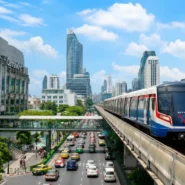
Sukhumvit is the default recommendation for many first-time visitors for a reason: it is easy to understand, loaded with hotels, packed with restaurants and connected by the BTS Sukhumvit Line. The sweet spot is usually around Asok because BTS Asok and MRT Sukhumvit meet, giving you two rail systems without needing a taxi first. Phrom Phong is slightly calmer and more polished, with strong dining and shopping around the EmDistrict malls. Nana is convenient but has a stronger nightlife identity that may not suit families or travellers who prefer quiet evenings.
What to do: Use Sukhumvit as a base rather than a sightseeing destination you must “complete.” Terminal 21 is useful for food and air-conditioning; Benjakitti Park gives you a welcome green break; Phrom Phong is good for malls, cafés and dining; and the BTS makes Siam, Chit Lom and Thong Lo straightforward. One of Sukhumvit’s biggest advantages is that you can return to your hotel between afternoon heat and evening plans without sacrificing an hour in traffic.
Who should stay here: First-time couples, solo travellers, nightlife travellers, people who like having many food options within walking distance, and anyone who values simple transport more than old-town atmosphere.
✅ What Other Travelers Say: The recurring positive theme in traveller discussions is convenience: Asok in particular is repeatedly praised because BTS and MRT intersect there, making it easier to reach shopping districts, Chinatown and other parts of central Bangkok without depending on road traffic. Travellers also like the density of restaurants and hotels at different budgets.
⚠️ The Catch (Things to Keep in Mind): “Sukhumvit” is not one compact neighbourhood. Hotels far down a soi can require a sweaty walk, motorbike taxi or hotel shuttle every time you use the BTS. Nana and parts of lower Sukhumvit can feel very nightlife-focused after dark. And if your dream trip is mostly Grand Palace, Wat Pho, Wat Arun and riverside heritage, staying here means crossing the city for your most important sights.
📍 Siam & Pratunam: Best for Shopping, Food Courts and Short First Trips
Tags: shopping · BTS connections · family-friendly · malls · bargain fashion · central location
If your Bangkok wish list includes Siam Paragon, MBK, CentralWorld, Platinum Fashion Mall and a suitcase that may be much heavier when you fly home, this area is hard to beat. Siam is the cleaner, rail-connected, mall-centric choice. Pratunam is more chaotic and budget-oriented, with markets, wholesale fashion and heavy pedestrian traffic. They are close enough to combine on foot using elevated walkways and mall connections, but the experience on the ground can still be hot and crowded.
What to do: Start around Siam early enough to enjoy the area before peak crowds, then work toward Ratchaprasong/CentralWorld and Pratunam. Use malls strategically for meals, toilets and cooling breaks rather than feeling guilty for “wasting time indoors.” In Bangkok, air-conditioned malls are part of the urban experience and can make an otherwise exhausting day much more comfortable.
Who should stay here: Shoppers, families, first-timers on a short three-day stay, travellers who want easy access to major malls, and people who prefer a busy central district over nightlife-heavy lower Sukhumvit.
✅ What Other Travelers Say: Travellers consistently value the central position, easy BTS access and huge range of food and shopping. Hotels around Siam and Ratchathewi can be especially practical for travellers who want both downtown access and a relatively simple connection toward Phaya Thai for the Airport Rail Link.
⚠️ The Catch (Things to Keep in Mind): Siam can feel like one enormous retail district, so travellers looking for historic streets and traditional atmosphere may find it sterile after a day or two. Pratunam’s narrow streets are less fun with rolling luggage, and taxis can crawl at busy times. Do not choose a cheap Pratunam hotel solely by distance on a map; check how you will actually reach the nearest station with bags.
📍 Old Town (Rattanakosin): Best for the Grand Palace, Wat Pho and Historic Bangkok
Tags: temples · heritage · early sightseeing · river access · slower evenings · cultural first trip
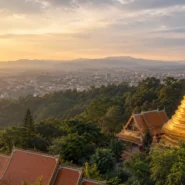
This is the Bangkok many first-time visitors picture before arrival: gilded temple roofs, palace walls, old shophouses, river piers and historic streets. Staying here lets you reach headline attractions before day-trippers arrive from the modern business districts. If temples and heritage are the emotional centre of your trip, that advantage is meaningful.
What to do: Build a realistic half-day around the Grand Palace, Wat Pho and Wat Arun. The Grand Palace currently lists opening from 8:30 a.m., and being near the entrance early makes a major difference. Wat Pho is nearby, and Wat Arun sits across the Chao Phraya River. Sanam Chai MRT gives the area better rail access than many older guides suggest, but the old centre still does not have the same “step outside and take BTS anywhere” convenience as Sukhumvit or Siam.
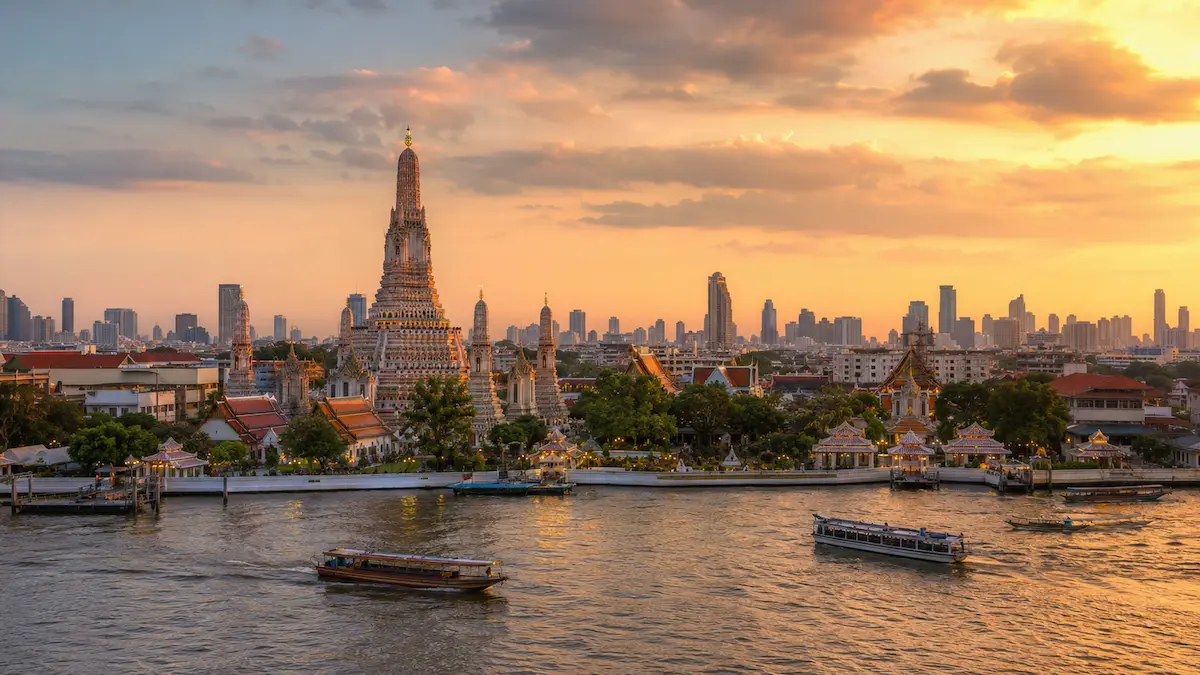
What is genuinely worth the hype: The Grand Palace and Wat Phra Kaew are expensive by Bangkok sightseeing standards and busy, but they remain architecturally and culturally significant enough to justify a first visit. Wat Pho is easier to absorb and pairs naturally with the palace. Wat Arun is especially rewarding when viewed from across the river as well as from inside the temple grounds.
What can be skipped: You do not need to visit every famous temple in one day. Once the architecture starts blending together, stop. A late lunch, flower market, river ride or quiet café will give you a better memory than forcing another checklist stop.
✅ What Other Travelers Say: Travellers who stay in Old Town often love being able to walk to the main cultural sights early and enjoy the neighbourhood before tour groups arrive. Boutique hotels in the area also offer more character than many large downtown properties.
⚠️ The Catch (Things to Keep in Mind): Nightlife and late-night transport are less effortless. Khao San Road is nearby but very specific in character; do not assume all of Old Town is lively at midnight. If your evenings revolve around Sukhumvit restaurants, rooftop bars or Thong Lo, you may spend more time in taxis than expected.
📍 Chinatown & Talat Noi: Best for Street Food, Night Energy and Bangkok Character
Tags: street food · heritage lanes · night atmosphere · MRT access · photography · independent travellers
Chinatown is one of Bangkok’s strongest evening districts for first-time visitors because it feels unmistakably like a place rather than a generic nightlife zone. Yaowarat Road becomes a food-focused spectacle after dark, while nearby Talat Noi offers older lanes, shrines, warehouses, cafés and street art. The MRT Blue Line has made Chinatown much easier to reach than it was in older travel guides.
What to do: Arrive in late afternoon, explore Talat Noi before sunset, then move toward Yaowarat for dinner. Do not attempt to “eat everything famous.” Queueing 45 minutes for one viral stall can be a poor use of a short evening when dozens of good alternatives are nearby. Choose two or three foods you care about and leave room for spontaneous stops.
Who should stay here: Food-first travellers, photographers, repeat visitors, solo travellers comfortable with dense city streets, and anyone who values neighbourhood character more than polished mall convenience.
✅ What Other Travelers Say: Recent traveller discussions often praise Chinatown for food, old-Bangkok atmosphere and proximity to the MRT, with Talat Noi frequently singled out as a more characterful alternative to staying entirely in modern Sukhumvit. The strongest fans tend to be travellers who are not primarily interested in clubs or shopping malls.
⚠️ The Catch (Things to Keep in Mind): Pavements can be narrow, streets become extremely crowded at popular food hours and taxis may be slow. If you are travelling with young children, mobility issues or multiple large suitcases, choose accommodation close to MRT Wat Mangkon or Hua Lamphong rather than deep inside a lane that looks charming online but is awkward in practice.
📍 Silom & Sathorn: Best for a Balanced City Stay, Parks and Easy River Access
Tags: BTS + MRT · business district · restaurants · Lumpini Park · rooftop bars · river connection
Silom and Sathorn are often overshadowed by Sukhumvit in first-timer guides, but they can be a smarter base for travellers who want central transport without living inside Bangkok’s most tourist-oriented corridor. You have access to BTS and MRT in parts of the district, good restaurants, office-district lunch spots, rooftop venues, Lumpini Park and a straightforward route toward Saphan Taksin for Chao Phraya boats.
What to do: Walk Lumpini Park early, combine it with the Silom/Sala Daeng area, then use BTS to reach Saphan Taksin if you want a river afternoon. The area also works well for King Power Mahanakhon and for travellers who want a modern Bangkok base with a slightly more grown-up feel than lower Sukhumvit.
Who should stay here: Couples, business-plus-leisure travellers, food lovers, LGBTQ+ travellers interested in Silom nightlife, and first-timers who want transport plus a somewhat less tourist-saturated base.
✅ What Other Travelers Say: Travellers frequently appreciate the combination of transport, food and proximity to the river. Sathorn in particular gets positive feedback from visitors who want a central location without feeling surrounded by shopping malls all day.
⚠️ The Catch (Things to Keep in Mind): Sathorn roads can be traffic-heavy, and a hotel that looks close to a station may still involve unpleasant road crossings. Patpong is historically famous but not a must-do for everyone; if nightlife promoters and tourist-market energy are not your thing, you can ignore it and enjoy the wider Silom/Sathorn area instead.
📍 Riverside: Best for Scenic Stays, Couples and a Slower Bangkok
Tags: river views · luxury hotels · boats · temples · couples · slower pace
The Chao Phraya Riverside can make Bangkok feel far more relaxed than Sukhumvit, especially in the morning and evening when you are watching boats rather than traffic. It is one of the best choices for couples, families who enjoy hotel time and travellers willing to pay for a room with a view. It also makes temple sightseeing surprisingly efficient if your hotel has a good pier connection.
The smartest part of the riverside to stay: For a first visit, convenience matters more than the prettiest isolated resort. Look carefully at how you will reach Sathorn Pier/Saphan Taksin BTS, ICONSIAM or the main river boat routes. A hotel with a frequent shuttle boat can transform the experience; an infrequent shuttle can make every outing feel scheduled.
What to do: Use the river as transport, not just scenery. Ride north toward the Old Town sights, spend time around ICONSIAM if you want modern shopping, explore Bang Rak or cross to quieter Thonburi pockets. A dinner cruise can be enjoyable for views, but it is not essential; a riverside restaurant or public boat at sunset can deliver plenty of atmosphere for less money and less time commitment.
✅ What Other Travelers Say: Riverside fans repeatedly mention the calmer mood, views and easy access to historic attractions by boat. Travellers who are not interested in partying often prefer it to Sukhumvit, especially when they choose a property near a dependable river connection.
⚠️ The Catch (Things to Keep in Mind): “Riverside” covers both banks and a long stretch of river. A cheap riverside hotel with no nearby pier or rail connection can be less convenient than it appears. Restaurants may also be more hotel-oriented and expensive in some pockets. Check the hotel shuttle schedule before booking, not after arrival.
How to Combine Bangkok Without Crossing the City All Day
Day 1: Old Town + River. Grand Palace at opening, Wat Pho, lunch, cross-river ferry to Wat Arun, then continue by river toward Chinatown or a riverside sunset. Do not add Chatuchak, Sukhumvit and a rooftop bar on the same day unless you enjoy spending holidays in transit.
Day 2: Siam + Pratunam + Central Bangkok. Start around Siam, connect through Ratchaprasong to CentralWorld, then continue to Pratunam if shopping is a priority. Finish with massage, dinner or a rooftop rather than travelling all the way back to Old Town for another attraction.
Day 3: Chinatown + Talat Noi + Silom/Sathorn. Take the MRT to the Chinatown side, explore Talat Noi and Yaowarat, then move toward Silom/Sathorn for evening drinks or dinner. If street food is your main goal, reverse the order so you arrive in Yaowarat after dark.
Day 4: Choose your interest, not another “must-see” list. Shoppers can do Chatuchak if it is the right day. Families may prefer SEA LIFE or a slower mall-and-park day. Food travellers can take a cooking class. History travellers can do Ayutthaya as a dedicated day trip. Repeat visitors may prefer Thonburi, Ari or local neighbourhood exploration over another headline attraction.
Airport Transfers: BKK and DMK Without the Luggage Headache
From Suvarnabhumi Airport (BKK): Airport Rail Link is located at Level B1 of the main terminal, and Airports of Thailand currently lists operating hours of 05:30–24:00. The line is excellent for travellers staying near Phaya Thai, Ratchathewi/Siam via BTS, or areas that connect cleanly via Makkasan. The standard City Line fare has historically been inexpensive compared with taxis, but check the current fare at the station on arrival.
If you are landing late, travelling with children, carrying several large bags or staying somewhere that needs two rail changes plus a long walk, take a taxi or Grab instead of forcing the “cheapest” route. BKK has designated Grab pick-up points; Airports of Thailand currently lists the main terminal Level 1, Gate 4 area for Grab services. For a couple or small group, the per-person price difference can be modest once convenience is considered.
From Don Mueang Airport (DMK): The Red Line serves Don Mueang and connects toward Krung Thep Aphiwat. It is useful when road traffic is heavy or your onward journey fits the northern rail/MRT network. As of August 2026, official SRTET fare information shows Don Mueang to Krung Thep Aphiwat at 33 baht for an adult single fare. However, the “rail is always better” rule does not apply if your hotel then requires multiple transfers and a final taxi.
Airport-to-airport warning: BKK and DMK are far apart. If you are self-connecting between them, do not book a tight connection. Airports of Thailand operates a shuttle for eligible connecting passengers, but Bangkok traffic can still make cross-city airport changes stressful. Build a generous buffer.
What Is Overhyped — and What Is Actually Worth Your Time?
Grand Palace: Worth it once. Expensive compared with many Bangkok attractions and undeniably crowded, but still one of the city’s most important first-visit sights. Go early rather than skipping it because social media says it is “too touristy.”
Khao San Road: Optional. Fun for the right traveller; completely skippable for everyone else. It is a nightlife product, not a required cultural experience.
Damnoen Saduak Floating Market: High time cost. It can be enjoyable if you specifically want the classic floating-market scene, but it is not an efficient use of a short city break. Do not mistake “famous” for “essential.”
Asiatique: Pleasant, not essential. Good for an easy riverside evening, families and travellers who like organised dining and entertainment. Less compelling if you are chasing local street life or only have two nights in Bangkok.
ICONSIAM: Better than mall-haters expect. Yes, it is a giant mall, but its river setting, food options and transport connections can make it a useful stop. Treat it as a comfortable riverside break rather than a cultural must-see.
Chinatown after dark: Usually worth it. Busy, touristy in places and sometimes frustratingly crowded, but still one of the most atmospheric food evenings in central Bangkok.
Key FAQs
Where should first-time visitors stay in Bangkok to avoid wasting time in traffic?
For the easiest first trip, stay within a short walk of a BTS or MRT station. Asok is the strongest all-round choice because BTS Asok and MRT Sukhumvit meet there. Siam is better for shopping and short stays, Silom/Sathorn is a balanced alternative, and Riverside works well if your hotel has a dependable pier or shuttle boat. Old Town is best if temples are your priority, but it is less convenient for late-night trips to modern Bangkok.
How many days in Bangkok are enough for a first-time visitor?
Three full days is the minimum I would plan if you want the Grand Palace/Wat Pho/Wat Arun, Chinatown, Siam shopping and at least one proper evening out. Four to five days is much better because Bangkok’s heat and traffic punish overpacked itineraries. With five days, you can add Chatuchak, a cooking class, Ayutthaya or a slower neighbourhood day without turning every morning into a race.
What is the easiest way to get from Bangkok airport to the city with luggage?
From BKK, Airport Rail Link is fast and predictable when your hotel connects cleanly to Phaya Thai or Makkasan. If you need several transfers, arrive outside rail operating hours or have heavy luggage, a taxi or Grab is usually easier. From DMK, the Red Line is useful for avoiding traffic, but direct road transport can still be the more practical choice for Sukhumvit, Riverside or hotels far from the onward rail connection. Always compare the full door-to-door journey, not only the first train segment.
Final Verdict and Your Next Step
For a first Bangkok trip, the winning strategy is simple: choose a convenient base, group each day by area and refuse to chase every famous attraction. Bangkok is not difficult because it lacks transport; it is difficult because there are too many transport choices and too many tempting detours. The traveller who sees four well-grouped sights, eats properly and takes a midday break will usually enjoy the city more than the traveller who checks eight pins and spends half the day switching lines.
If you are visiting for only 2–3 nights: stay around Asok, Siam or Silom near rail. Prioritise Old Town + river for one day, central Bangkok for another, and use your final half-day for Chinatown or your personal interest. Skip distant floating-market trips unless they are the main reason you came.
If you are a first-time couple: choose Asok for convenience or Riverside for atmosphere. Riverside is especially good if you value hotel time, views and slower evenings; Asok is better if you expect to be out from breakfast until midnight.
If you are travelling with children: Siam or a well-connected Riverside hotel usually beats lower Sukhumvit nightlife zones. Prioritise easy station access, pools, food choices and the ability to return to the hotel during the hottest part of the day.
If you are shopping heavily: stay Siam/Ratchathewi/Pratunam, but check the exact walking route before booking. Paying slightly more for a hotel beside BTS can save repeated taxi rides and miserable luggage walks.
If food is the trip: Chinatown/Talat Noi is the most atmospheric base, but Asok or Silom may still be smarter if you plan to eat across the city. Bangkok’s best food is dispersed; do not assume one neighbourhood contains everything.
If temples and history are your priority: Old Town or Riverside makes more sense than Sukhumvit. You will gain valuable early-morning access and spend less time commuting to the sights you care about most.
Bangkok hotel prices can move quickly around weekends, holidays, major events and peak travel periods. Once your dates are fixed, reserve a cancellable room in the right area first; you can keep comparing later without risking the best-located options disappearing. Check current Bangkok hotel availability on Agoda or Booking.com.
For temple tours, airport transfers, cooking classes, day trips and attraction tickets, compare live availability before your travel dates: Browse Bangkok activities on Klook or compare Bangkok experiences on KKday. Pre-book anything with a fixed time that would seriously disrupt your itinerary if sold out, but keep ordinary meals and neighbourhood wandering flexible. Bangkok is at its best when the important logistics are secured and the rest of the day still has room to breathe.